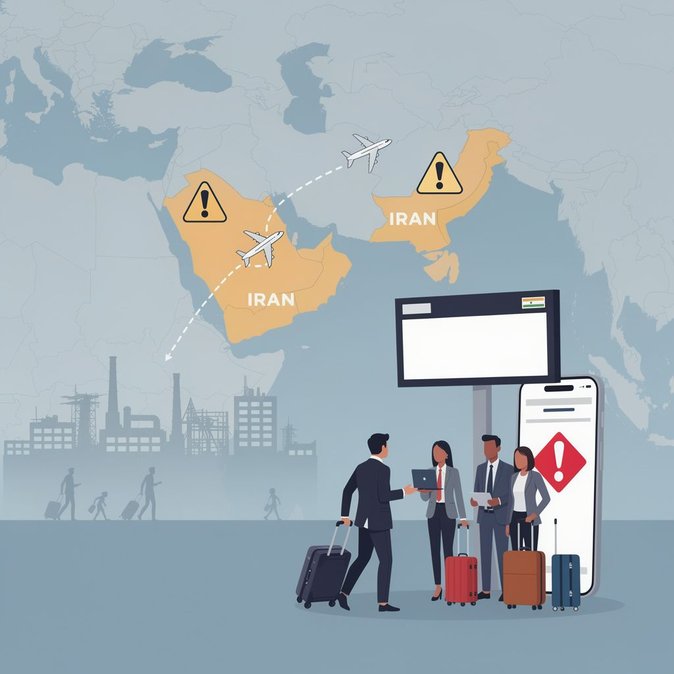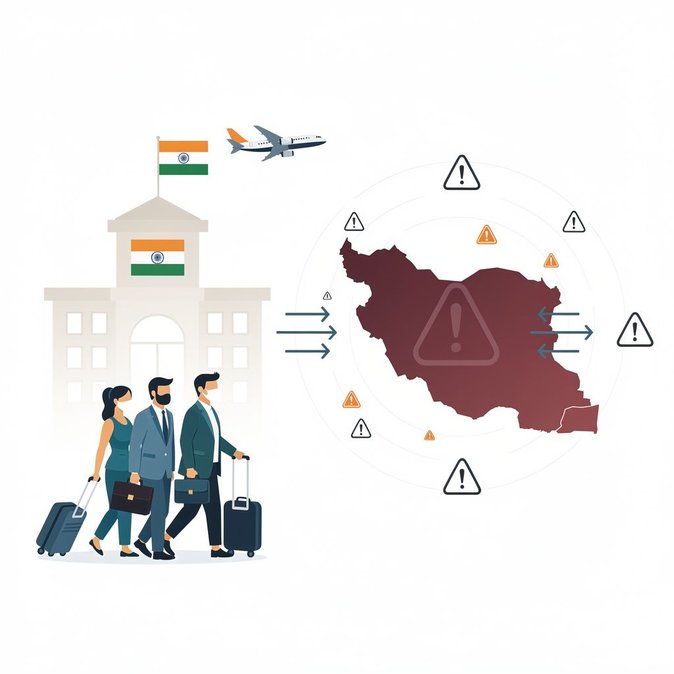
In a late-night advisory posted on 19 July and amplified on 20 July 2026, the Embassy of India in Tehran asked Indian citizens to defer “all categories of travel” to Iran until security conditions stabilise. The mission cited intensified regional conflict, drone strikes and sporadic civil unrest that have disrupted transport links and heightened risks to foreigners. Indians already in Iran have been advised to register with the Embassy, consider temporary departure on available commercial flights, avoid military areas in the south and monitor local media round-the-clock. The warning follows a week of tit-for-tat attacks between Iranian forces and a US-led coalition in the Strait of Hormuz—an artery for 20 % of global oil shipments. Travel-insurance providers have begun designating large swathes of Iran as “do not travel” zones, potentially voiding coverage for business travellers who ignore the embassy’s advice. Several Gulf carriers have rerouted or cancelled services to Tehran, Mashhad and Shiraz, complicating evacuation options. Indian energy, infrastructure and pharma companies maintain sizeable expatriate teams in Iran under project visas. Human-resources heads told NDTV Profit that emergency extraction plans are being dusted off, and non-essential personnel placed on paid leave outside the country. The advisory could also hit India-Iran bilateral trade delegations scheduled for August under the INSTC (International North–South Transport Corridor), as visiting executives may struggle to obtain corporate travel insurance. For mobility professionals, the practical steps are clear: audit the exact headcount in Iran, ensure each employee’s e-register with the embassy is up to date, keep duplicate passport scans off-site, and book contingent flight seats via Muscat or Doha—the only hubs still operating limited rotations. Employers should also brief travellers on potential delays in obtaining entry/exit stamps if border posts become short-staffed, and be prepared to provide financial guarantees for emergency overstay fees once normal visa enforcement resumes. The episode is another reminder that geopolitical tensions can upend otherwise stable assignment locations overnight, making embassy alerts a critical data-point in corporate risk dashboards.
Source: NDTV Profit