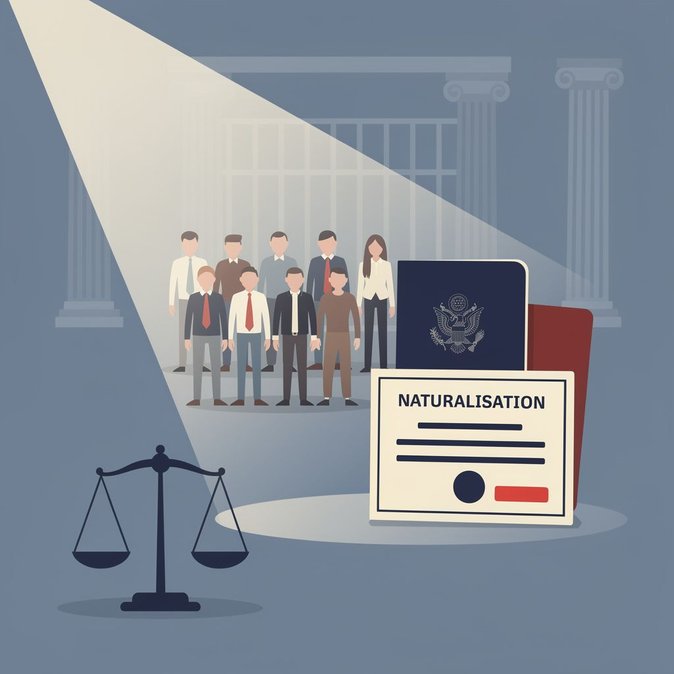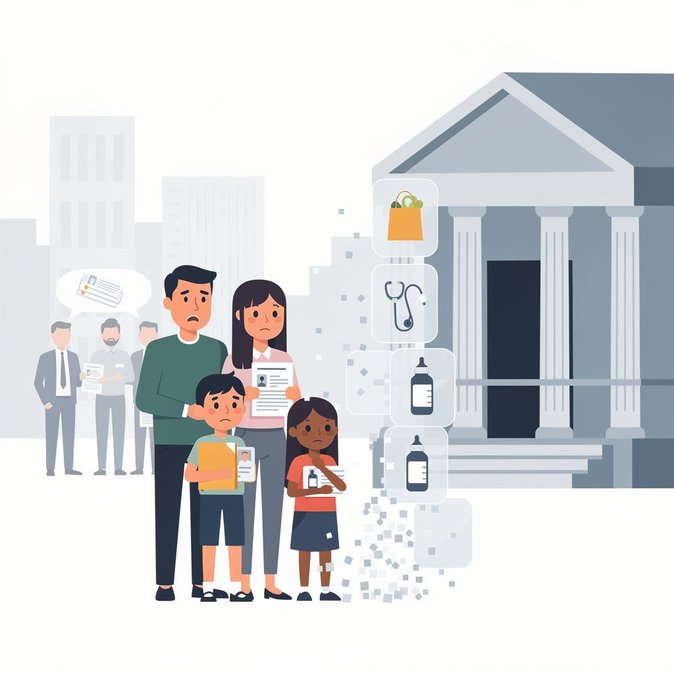
The National WIC Association (NWA) issued a blistering statement on July 20 condemning the Trump administration’s final rule expanding the “public charge” ground of inadmissibility. Published in the Federal Register last Thursday and set to take effect on September 18, the rule rescinds prior guidance without defining which public benefits will trigger denial of visas or green-card applications. Under previous policy, only cash assistance such as TANF or long-term institutional care counted toward a public-charge finding. The new rule hints that “any means-tested benefit” could be considered and even suggests that benefits used by dependent family members may weigh against applicants. NWA President Georgia Machell warned that the ambiguity will create a “chilling effect,” driving immigrant parents away from programs like WIC that provide vital nutrition to pregnant women and children. Similar chilling was documented after a narrower 2019 public-charge proposal, when nationwide WIC participation by immigrant households dropped sharply. For employers sponsoring family-based green cards or intra-company transfers, the rule injects fresh uncertainty into long-term mobility planning. HR teams should counsel foreign staff to document private health insurance and income sufficiency and to consult immigration attorneys before enrolling family members in public benefits. Legal advocates predict lawsuits arguing that DHS failed to articulate clear standards and ignored evidence of public-health harm. Until courts intervene, global-mobility stakeholders should monitor state-level outreach campaigns designed to counter misinformation and keep essential health and nutrition programs accessible.