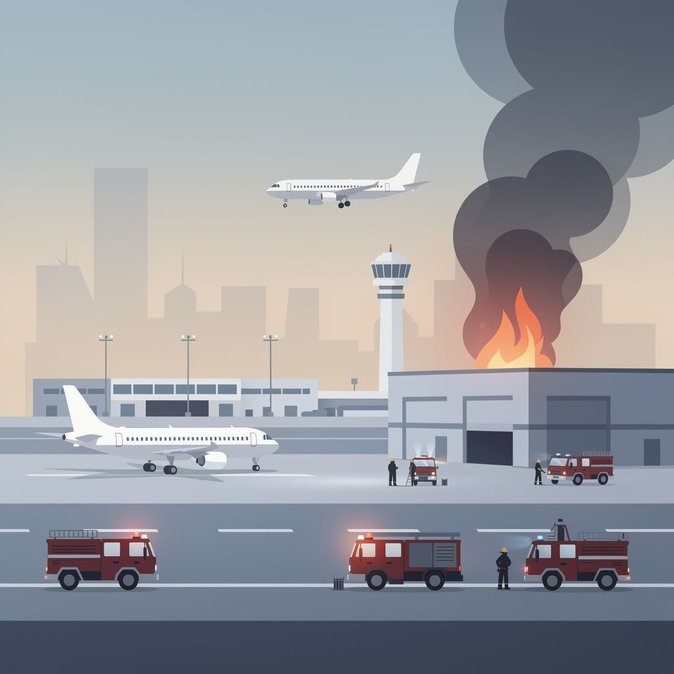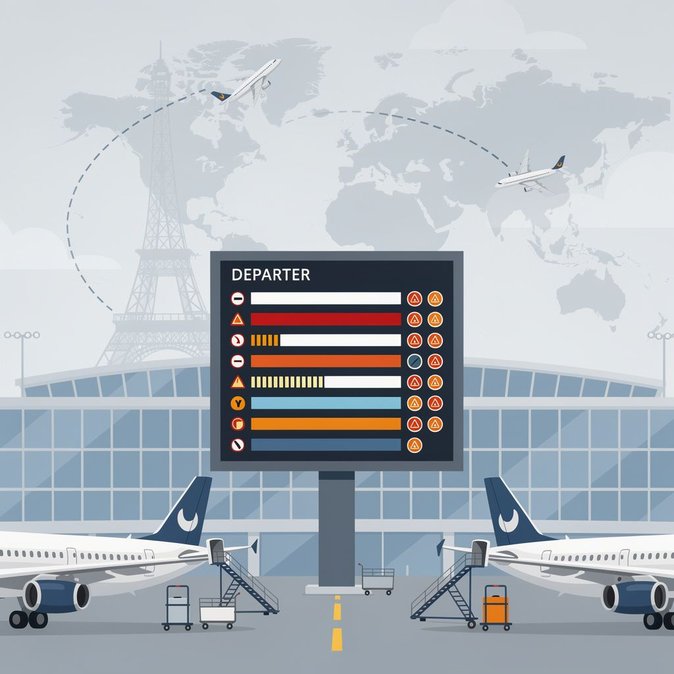
Travellers faced fresh disruption on 21 July when a snap 24-hour strike by air-traffic-control staff forced airlines to ground 933 flights to, from and over France. Business wire AK&M reports that two major unions, representing 26 per cent of active controllers, walked out after overnight talks on roster flexibility collapsed. The action began at 08:00 local time, catching many carriers mid-rotation. Charles-de-Gaulle and Orly each saw roughly one-third of departures scrubbed, while Marseille and Nice operated on reduced arrival rates. Eurocontrol’s Network Manager warned of “high to very high” en-route delays over the western Mediterranean, prompting some long-haul services to reroute via German or Spanish corridors, adding up to 40 minutes’ flight time. Corporate-travel desks scrambled to rebook senior executives heading to the Farnborough Air Show and the Cannes Lions Innovators Summit. Logistics operators reported missed cut-off times for temperature-controlled pharmaceutical shipments, with some consignments diverted to Brussels and Milan. Early estimates from Airlines for Europe put the economic cost at €48 million in passenger compensation, fuel burn and crew repositioning. Under France’s minimum-service law, DSNA is obliged to publish a list of ‘guaranteed’ flights, but unions provided only four hours’ notice—technically legal but short of the 24-hour window airlines lobby for. The incident reinforces calls from carriers for EU-level protection of overflights during national ATC disputes, a reform currently stalled in Council negotiations. For mobility managers, today’s disruption underscores the need for dynamic traveller-tracking tools and pre-approved contingency budgets. Employers with posted-worker obligations should also document any unavoidable delays that affect compliance deadlines for A1 certificates or posted-worker notifications.
Source: AK&M Newswire