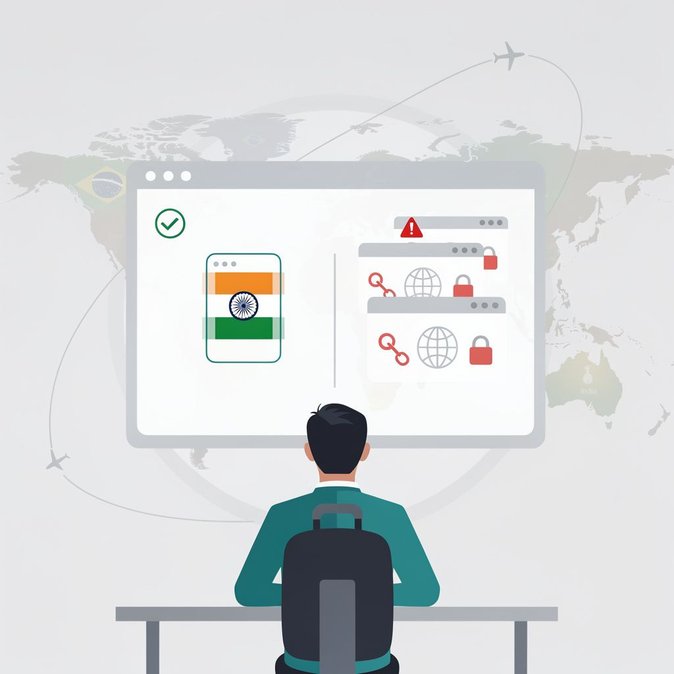
India’s Consulate General in São Paulo issued an urgent advisory on 21 July 2026 after detecting a sharp rise in fraudulent websites mimicking the Government of India’s official e-visa portal. At least three domains—e-touristvisaindia.com, indianvisaonline.org.in and e-visaindia.com—are charging unsuspecting applicants up to US $200 in ‘service fees’ and harvesting passport data. The scam hurts both travellers and corporate mobility teams: applications lodged through the fake sites never reach India’s Bureau of Immigration, so passengers often discover at the airline check-in counter that they have no valid visa. Last-minute re-applications force companies to absorb re-booking costs and can derail tight project timelines. The Consulate stresses that the only legitimate gateway is and that the Government of India has no authorised third-party agents for e-visas. Travellers are advised to double-check the URL, ensure the padlock (SSL) certificate lists ‘gov.in’, and avoid portals that demand payment before the application form is completed. The warning follows similar notices from Indian posts in San Francisco and Port of Spain earlier this month, suggesting a coordinated phishing campaign aimed at Brazil-based tech workers heading to Bengaluru and Hyderabad. With bilateral trade projects ramping up ahead of the G20 Investment Roadshow in November, volumes of Brazilian engineers travelling to India are rising, making them prime targets. For global mobility managers: run a quick audit of any travel-agency workflows that scrape visa data; block the flagged domains on corporate networks; and remind employees that India’s genuine e-visa fee for most nationals is around US $25–40—anything higher is a red flag.