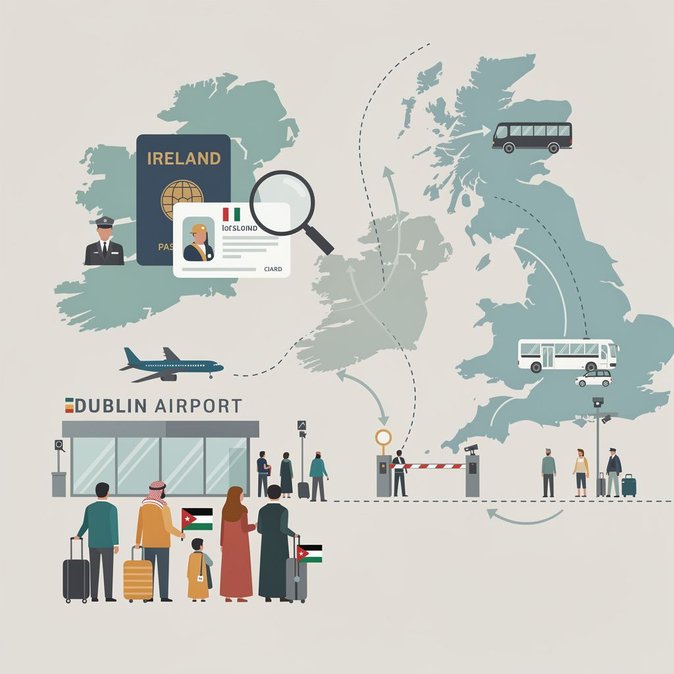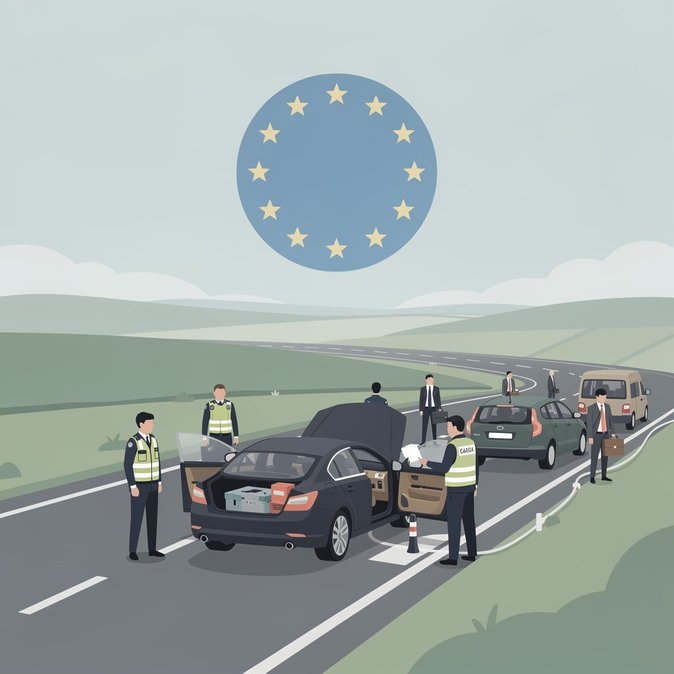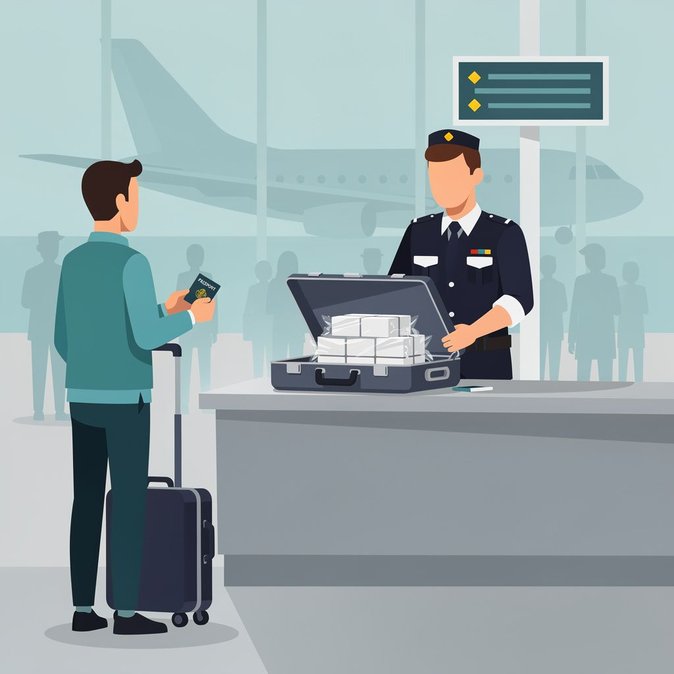
Border-control vigilance at Dublin Airport was on display again on 24 July 2026 after Revenue officers discovered 3.3 kg of cocaine—worth an estimated €230,000—in the checked baggage of a passenger arriving from Brazil. The seizure was made during a targeted inspection that combined advance passenger information, behavioural analysis and baggage-scanning technology. A man in his twenties was arrested and appeared before the Criminal Courts of Justice the same day; investigations continue. The operation forms part of Revenue’s stepped-up strategy to disrupt trans-Atlantic drug routes that use Ireland as either a destination or a springboard to mainland Europe. Since the start of July, officers have intercepted drugs valued at more than €4 million across airports and ports, reflecting greater cooperation with Gardaí and international agencies such as Europol and Brazil’s Federal Police. For corporate travel managers, the incident is a reminder that Ireland’s customs environment is uncompromising—particularly for flights originating in high-risk jurisdictions. Although the vast majority of business travellers are unaffected, secondary screening can add time at arrivals for entire flight cohorts when a significant seizure occurs. Companies with frequent flyers from Latin America should factor possible delays into scheduling and advise staff against transporting any packages on behalf of third parties. The case also illustrates Ireland’s broader anti-smuggling policy. Alongside narcotics, officers routinely target undeclared cash, counterfeit goods and restricted agricultural products. Non-EU travellers carrying more than €10,000 in cash must declare it, and all travellers—including EU citizens—must obey strict bio-security rules when bringing meat or dairy products into the country. Breaches can result in on-the-spot fines, confiscation and, in serious circumstances, criminal prosecution. Revenue encourages anyone with information on smuggling to call its confidential hotline; businesses should ensure employee codes of conduct prohibit transporting illicit items. As Ireland prepares for an influx of delegations during its EU Presidency in the second half of 2026, customs authorities are expected to maintain—if not intensify—their high-visibility approach.