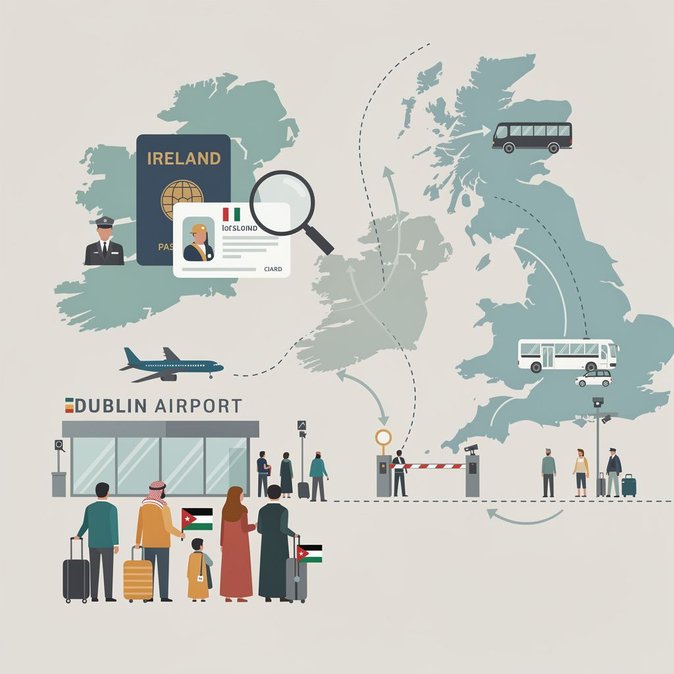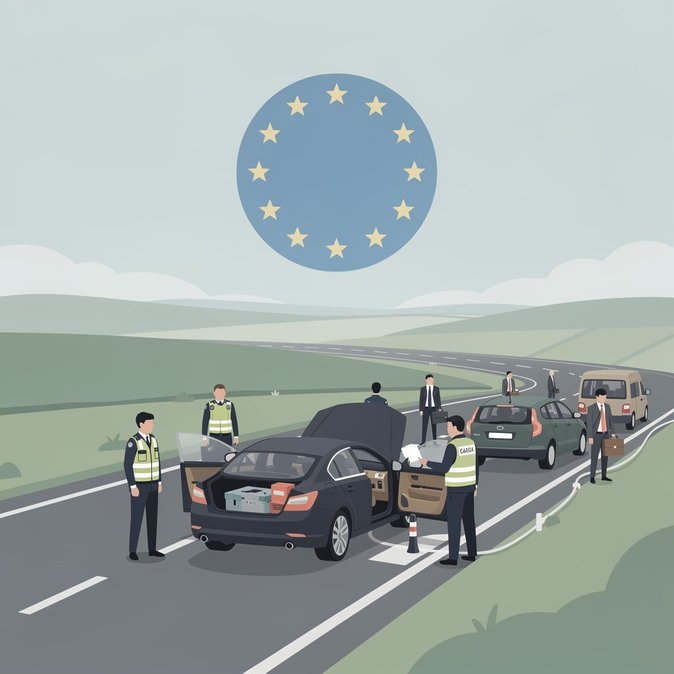
Irish police have foiled what senior officers describe as an "extremely significant" bombing plot after stopping a car on the N2 near Carrickmacross, County Monaghan, on Wednesday 22 July. Following forensic examination, a viable explosive device, detonators and plastic explosive were recovered. The discovery was made public on 24 July, when Garda Commissioner Justin Kelly briefed reporters and confirmed that a 25-year-old law student—Isobella Perrie Sullivan—has been charged with possession of explosives and membership of an unlawful organisation. Detectives believe the vehicle was en-route to Northern Ireland and that the operation has disrupted an active dissident-republican cell. Bail was granted on strict terms, including surrender of travel documents, a €15,000 surety and daily sign-ins at Naas Garda Station. Further arrests are expected as officers analyse phone data and map the device’s supply chain. From a mobility perspective, the incident underscores a ratcheting-up of security on cross-border arterial routes just as Ireland assumes the rotating presidency of the Council of the EU. Additional Armed Support Units and explosives-detection teams have already been allocated to patrol the main M1/A1 and N2/A5 corridors, and travellers can expect random checkpoints, temporary diversions and longer journey times. The Police Service of Northern Ireland (PSNI) has announced parallel high-visibility deployments on the northern side of the frontier. Business-travel risk consultants are advising multinational clients to review ground-transport plans for staff shuttling between Dublin and Belfast, incorporate extra buffer time and ensure employees carry photo ID even though the land border remains open. Companies with logistics operations should liaise with hauliers about possible delays and emergency rerouting. The interception will also feed into threat assessments for high-profile events scheduled during the EU Presidency, including ministerial councils in Dublin and Galway. Event planners should expect heightened accreditation checks and strict vehicle-access protocols around venues. While authorities emphasise that the overall threat level remains “moderate”, they have reiterated public advice to report suspicious activity immediately.
Source: RTÉ News