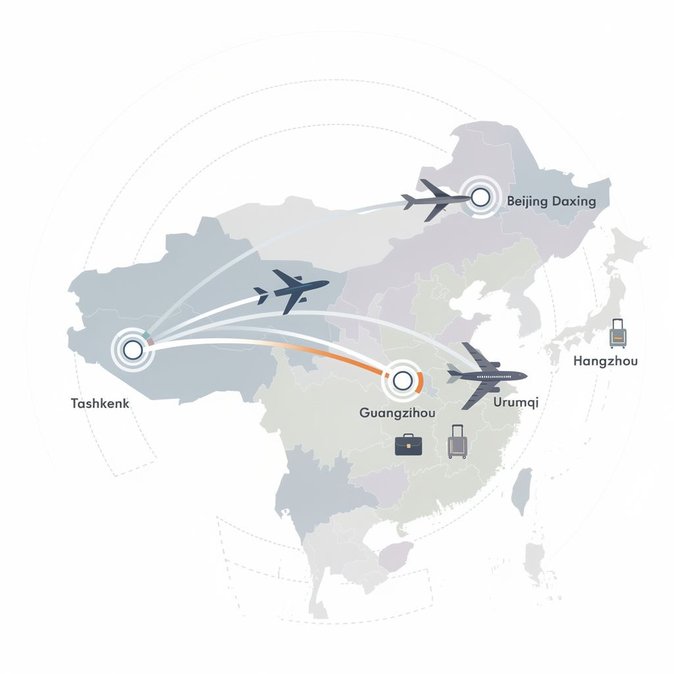
At a regular press conference on 28 July, Foreign Ministry spokesperson Lin Jian highlighted fresh National Immigration Administration figures showing that 77.7 percent of foreign arrivals in the first half of 2026 entered China visa-free. Lin said visa-free entries had surged 30.6 percent year on year to 17.8 million, calling it proof that Beijing’s expanded unilateral visa-waiver program is “unlocking the appeal of China travel.” Responding to a question on social-media buzz around “China Cool,” Lin painted a picture of foreign tourists flocking to new-energy vehicle showrooms, China-chic pop-ups and innovation parks in addition to traditional heritage sites. “We welcome more foreign friends to travel to China and feel its vibrancy this summer,” he said, noting that micro-videos of daily Chinese life are translating into real tourism demand. The ministry’s messaging complements this week’s public-security briefing on forthcoming digital entry permits, underscoring a whole-of-government effort to court high-spending international visitors as domestic airlines ramp up international capacity. Analysts see the narrative as part of China’s soft-power push, using ease of mobility to counter perceptions that the country remains difficult to visit post-pandemic. For corporate mobility managers, the remarks signal continued liberalisation rather than retrenchment. More nationalities could be added to the 15-day unilateral visa-waiver list ahead of October’s Golden Week if pilot programs maintain smooth security screening. Companies planning incentives or regional conferences in China may find visa-free options increasingly viable. Travel advisors caution, however, that visitors entering visa-free are still required to register with local police within 24 hours (hotels do this automatically) and must not overstay the permitted length—infractions could jeopardise future visa applications despite the friendlier rhetoric.