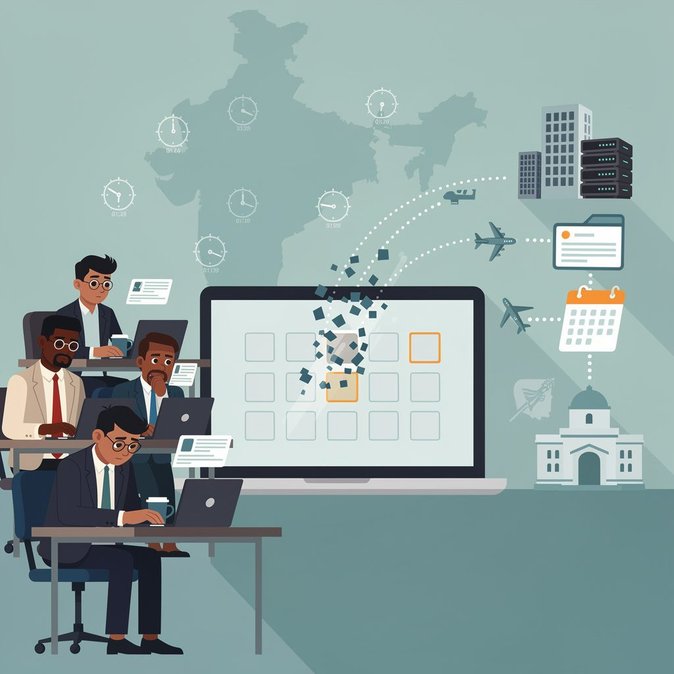
Within the past 17 hours, an H-1B applicant posted aggregate slot-availability graphs showing that cancelled appointments in India appear randomly throughout the day, debunking popular myths about “4 a.m. releases.” The data, compiled from third-party trackers, reveals that bulk drops—once common on Wednesday and Sunday nights—have almost disappeared. Instead, sporadic single-slot openings vanish in seconds, favouring those able to refresh constantly or use bot-driven alerts. The discussion highlights structural constraints: despite the U.S. Mission’s 2025 hiring surge, demand still outstrips supply as H-1B workers venture home for the first time since pandemic backlogs. Telegram groups with more than 40,000 members now specialise in slot-sniping, a grey-market practice that risks site-lockouts and account bans. Visa consultants report clients paying ₹30,000-₹50,000 for “slot-spotting” services, although success is far from guaranteed. For employers, the shortage translates into longer offshore stays and delayed U.S. project starts. Mobility managers are beginning to route returning employees through third-country consulates such as Singapore or Frankfurt, despite higher costs, to bypass India’s gridlock. The post’s author recommends staggering log-in times, rotating team members every 30 minutes to avoid the site’s CAPTCHA throttle, and documenting every attempt in case an emergency expedite request becomes necessary. The U.S. Embassy has not issued a formal statement this week, but earlier confirmed that it plans another 10 percent capacity increase in FY 2027 by adding new interview windows in Hyderabad and Chennai. Until then, travellers may need to align vacation dates with unpredictable slot releases—or consider domestic H-1B renewal once that pilot reopens in 2027.
Source: Reddit – r/usvisascheduling