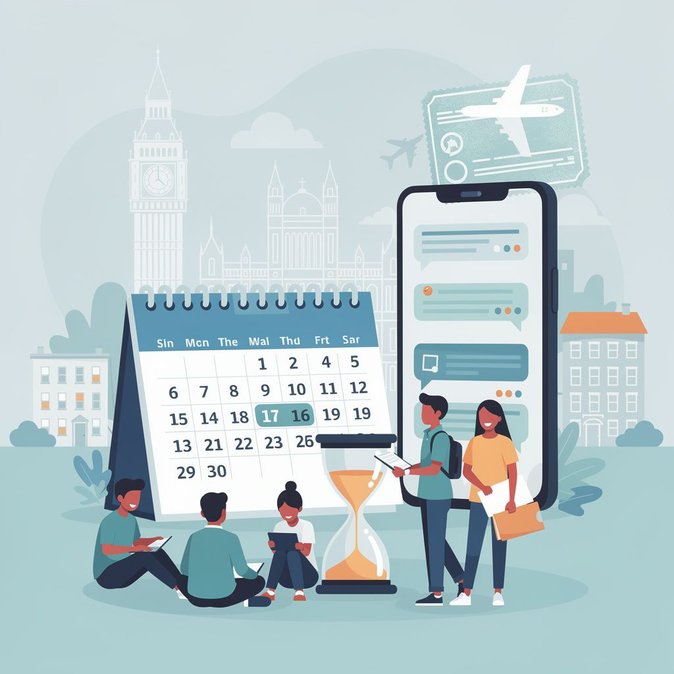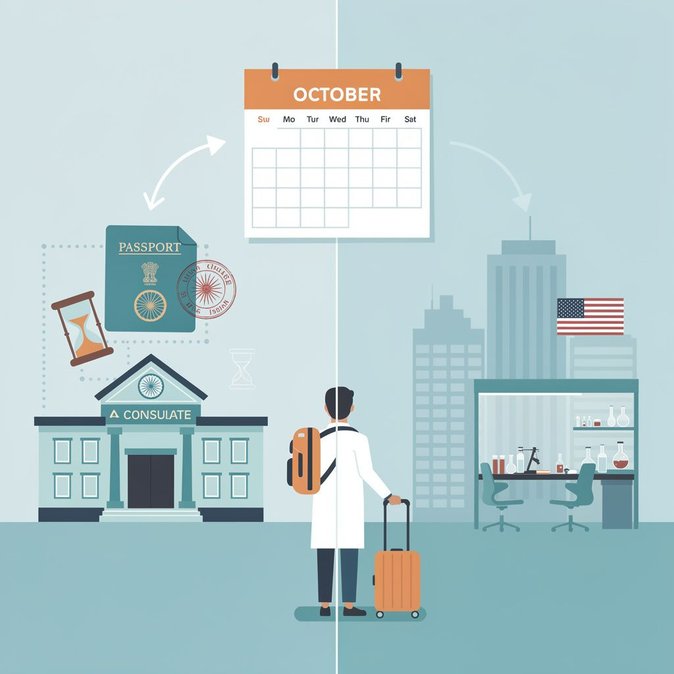
An O-1A beneficiary who received approval on 26 July has only 60 days to fly to India, complete biometrics and a consular interview, and return to the United States before an H-1B change of status (COS) automatically activates on 1 October. Posting just one hour ago, the applicant asked the visa community whether administrative processing could derail the plan. The scenario spotlights a growing reality for Indian high-skilled talent: many are pursuing parallel petitions—O-1 for flexibility and H-1B for long-term portability. Once a COS petition is approved with an October start date, the individual’s status will flip inside the United States even if the passport still contains an un-activated O-1 visa foil. If the traveller is stuck abroad in 221(g) administrative processing when the clock strikes midnight on 1 October, the H-1B COS could be deemed abandoned, forcing the employer to file a costly nunc pro tunc petition. Immigration counsel recommend three mitigations. First, schedule the OFC appointment at least three working days before the consular interview, allowing rapid re-scheduling if fingerprinting systems go down. Second, carry documentary evidence—original I-797 approvals, publication list, awards—to minimise “send to Washington for peer review” delays. Finally, purchase a fully flexible return ticket and keep U.S. payroll and medical coverage active in case the applicant must re-enter on H-1B instead of O-1A. For corporate mobility teams, the episode is a reminder to align petition strategies. When dual tracks exist, consider asking counsel to request consular, rather than COS, approval on the H-1B so that status does not auto-activate while the employee is abroad.
Source: Reddit – r/usvisascheduling