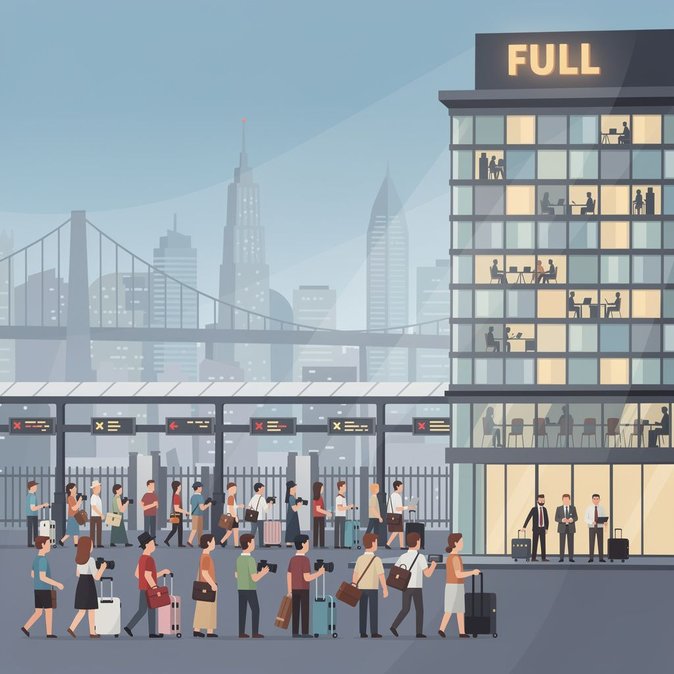
China’s Ministry of Transport reported that 199.46 million passenger journeys were completed across the country on 26 September, the second day of the three-day Mid-Autumn Festival holiday. Although the figure was 17.6 percent lower than the first holiday day, it was still 3.4 percent higher than the comparable day in 2024, underscoring a robust rebound in domestic mobility as the pandemic recedes and business confidence improves. Railways carried 21.8 million travellers, while highways absorbed the bulk of movements with more than 173 million private-vehicle passengers and 3.87 million inter-city coach riders. Civil aviation handled 2.08 million passengers, and inland waterways moved nearly 88 000—up 61.5 percent year-on-year. For mobility managers overseeing expatriates and project teams inside China, the data signal tightening hotel and transport inventory around the Golden Week peak that begins on 1 October. Companies are advised to book rail tickets, chauffeured cars and key domestic flights as early as systems allow and to monitor short-notice schedule changes caused by bad weather. Rising traffic volumes also mean longer processing times at airport security and highway toll plazas. Organisations should remind travelling staff to allow extra buffer time for pre-flight COVID-19 health checks where required, and to use China’s 12306 railway app and 12367 immigration hotline for real-time status updates. Looking ahead, officials expect a new daily record of more than 240 million cross-regional journeys on 1 October. Employers with large assignee populations in tier-one cities may need to activate flexible-working policies or remote options to reduce commuting stress during the peak return rush on 6-7 October.
Source: 每日经济新闻 (National Business Daily)