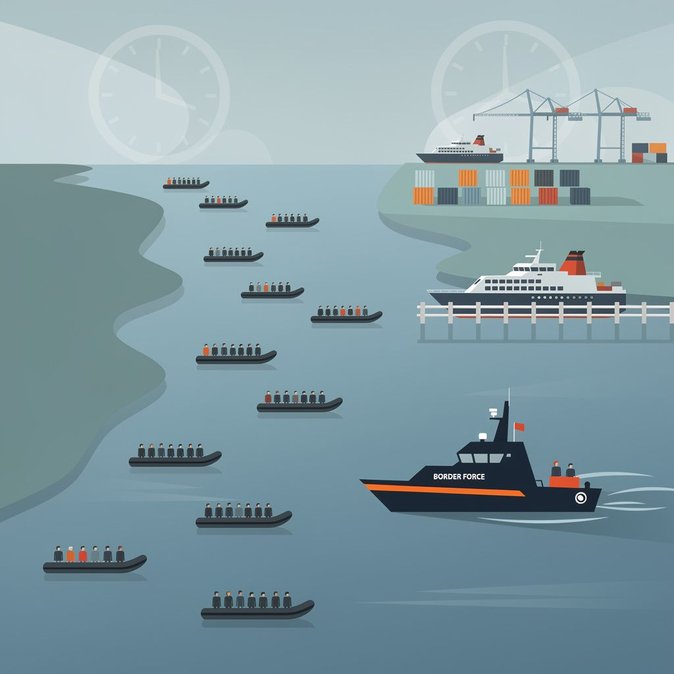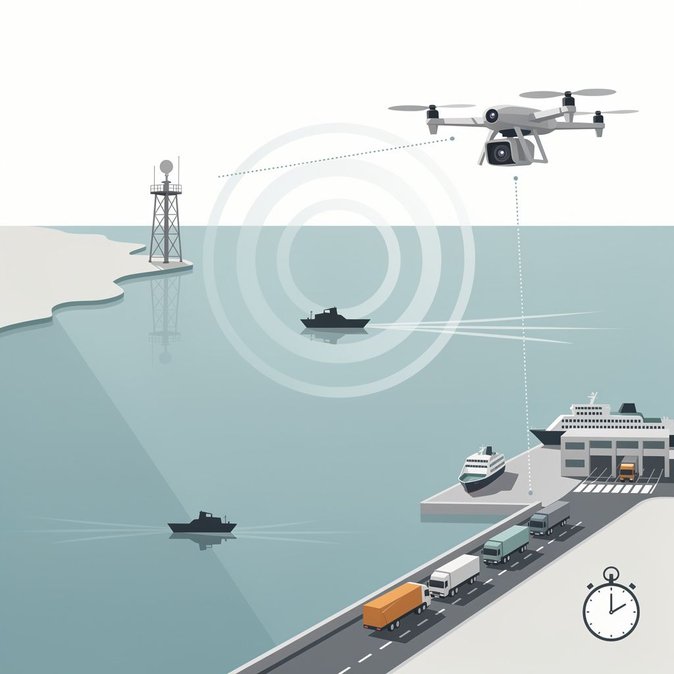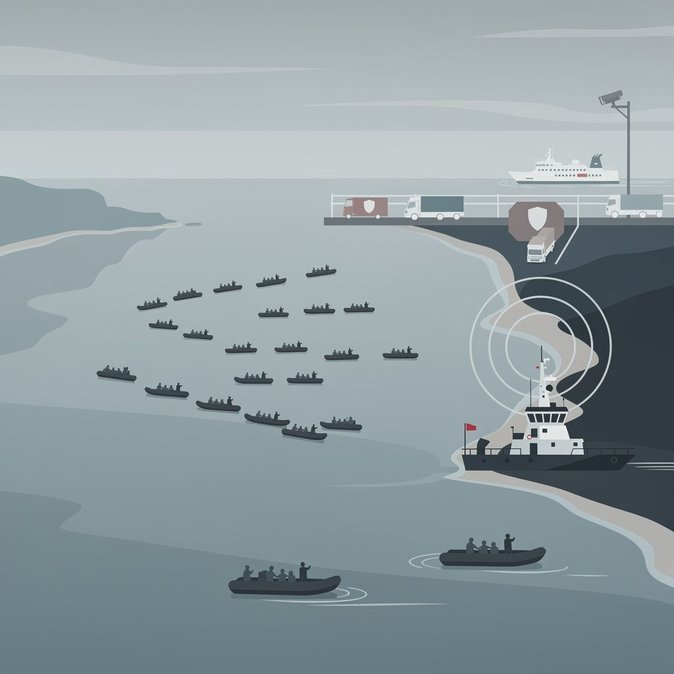
Provisional figures compiled by Swikblog show that at least 1,129 people reached the UK in small boats between 21 and 24 September, with additional landings on 27 September likely to push the five-day total close to 1,300. The surge included a single-day record of 781 arrivals on 23 September, carried in just ten vessels—an average of 78 people per boat. The spike follows an unusual three-day lull and underscores how favourable weather windows can produce rapid swings in numbers. Two boats reached the Kent coastline un-intercepted last week, prompting Home Secretary Shabana Mahmood to order an urgent Border Security Command review. Why it matters for global mobility: each mass-arrival episode triggers policy reactions that can spill over into legal migration channels—such as ad-hoc “visa brakes” on certain nationalities or tougher eligibility checks at the border. Employers sponsoring staff from high-risk countries often experience longer security vetting after publicised surges. On the operational side, increased small-boat activity consumes Border Force resources that might otherwise staff eGates and passport desks, potentially lengthening queues for legitimate travellers at Dover and Folkestone. Logistics firms moving time-critical goods across the Channel should factor in possible delays if maritime assets are redeployed for search-and-rescue. The Home Office’s next official update is expected early this week. Mobility managers should monitor for fresh guidance, especially any changes to right-to-work checks for asylum applicants allowed to take up restricted employment after 12 months.
Source: Swikblog