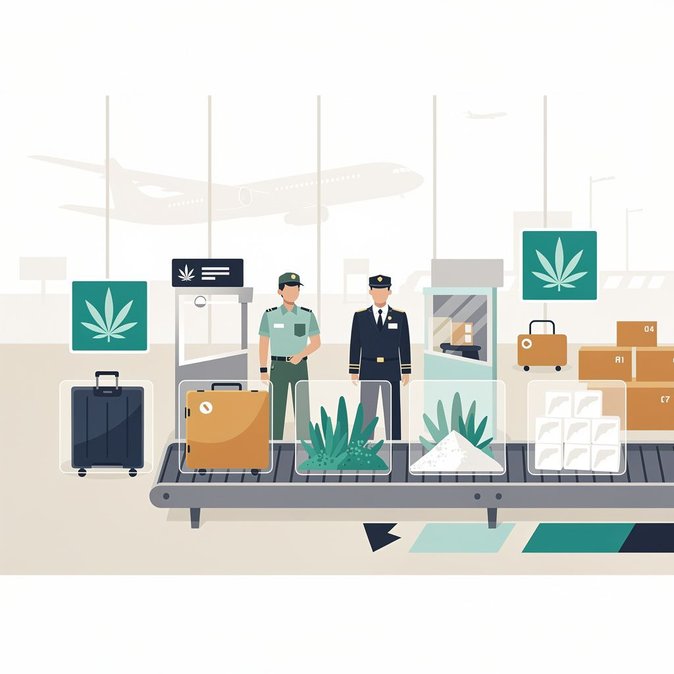
In another sign of the EU’s beefed-up presence at Spain’s external borders, a week-long joint operation between Guardia Civil officers and Frontex specialists ended on 28 September with the seizure of 11 kilograms of cannabis resin, 1.5 kilograms of ketamine and several boxes of hallucinogenic substances concealed in shoe boxes at Madrid-Barajas Airport. According to an after-action report released through Europa Press, the drugs were discovered in the arrivals hall during targeted inspections of high-risk flights identified by Frontex intelligence analysts. The bust illustrates how the EU agency is now embedded in day-to-day controls at Spain’s busiest hub following July’s Ceuta influx, which triggered a €114 million EU assistance package for border management. For multinationals routing freight or high-value cargo through Barajas, the bigger story is capacity: drug-detection sweeps have doubled processing times at secondary inspection points, something logistics teams must factor into "just-in-time" schedules. Spanish prosecutors note that ketamine seizures are up 42 % year-on-year, driven by demand in Northern Europe. The substance’s classification as a psychotropic under EU law means carriers can face hefty penalties if staff are linked—knowingly or not—to smuggling attempts. Mobility teams should therefore refresh employee training on carriage of unknown goods, especially for assignees who relocate with large personal shipments. The operation also underscores the strategic value of the newly expanded Frontex Liaison Office at Barajas, which now fields 60 officers with authority to share passenger-name records in real time with other Schengen airports. Compliance managers should expect more multi-airport interdictions and communicate possible delays to travelling staff.
Source: Teleprensa / Europa Press