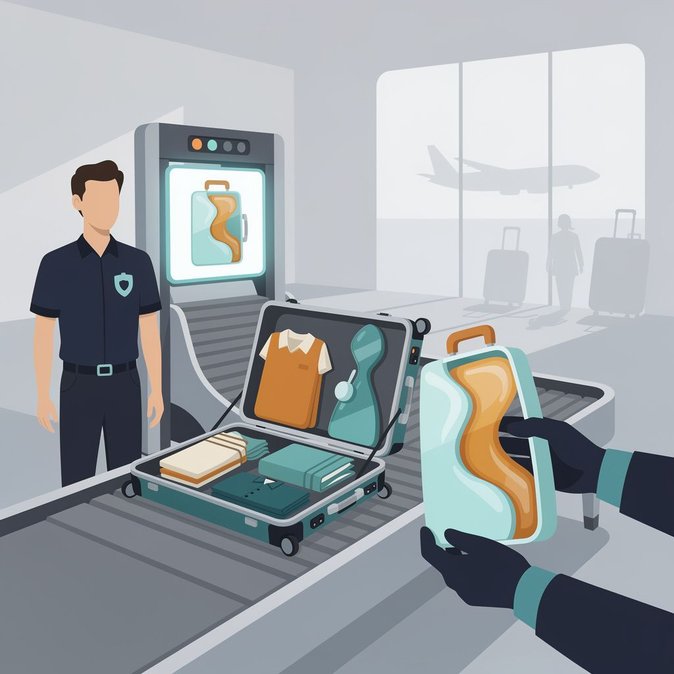
Hours before the Frontex operation wrapped up, another Guardia Civil team at Madrid-Barajas stopped a passenger arriving from Bogotá with four hand-crafted resin sculptures—including two in the shape of hens—whose cavities were filled with a viscous liquid that tested positive for cocaine. The haul weighed 6.2 kilograms and led to the immediate arrest of the traveller for narcotics trafficking. Liquid-soaked artisan pieces are a growing trend: Spanish customs recorded 38 such concealment attempts so far this year, up from eight in 2025. The method evades some X-ray scanners and relies on the assumption that decorative items attract less scrutiny than luggage false bottoms. Following Monday’s seizure, the Ministry of the Interior issued a security bulletin to carriers reminding them of their obligations under EU Regulation 2015/1998 to report suspicious cargo and to brief cabin crews on behavioural indicators. For global mobility teams this is a compliance and reputational risk. Staff accustomed to bringing gifts or samples from Latin America should be alerted that seemingly innocuous craft items may trigger enhanced checks or forensic testing, causing missed connections and potential legal exposure. The incident also reinforces Colombia’s position as the primary source country for cocaine entering Spain. Employers sponsoring intra-company transfers from the Andean region should expect more frequent secondary interviews and advise employees to travel with detailed invitation letters and local contact information to expedite clearance.
Source: Europa Press