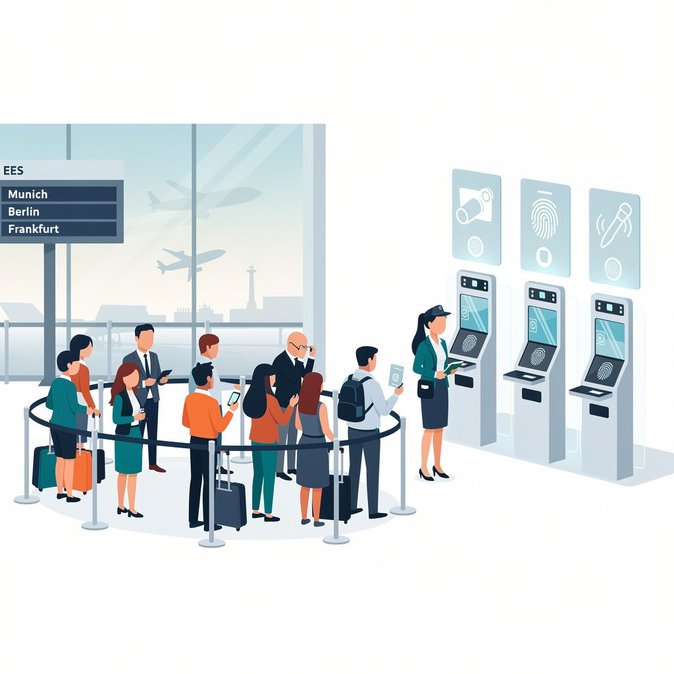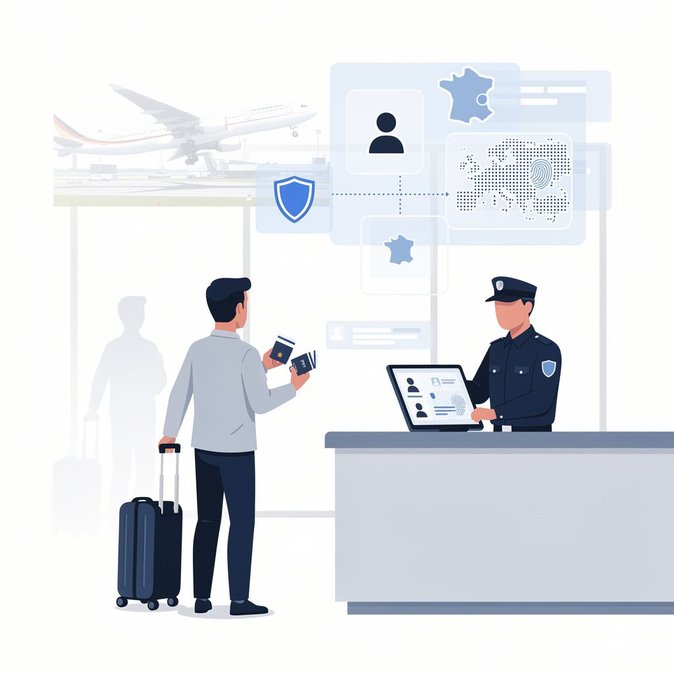
Border-police officers at Cologne/Bonn Airport detained a 29-year-old Moroccan national on the evening of September 27 2026 after a routine database query revealed an Interpol red notice issued by French authorities. The arrest was announced by the Federal Police’s Sankt Augustin directorate on September 28 and circulated to the press the following morning. The man was attempting to board a flight to Marrakesh when an automated interface between Germany’s border-control system and the Schengen Information System flagged the outstanding warrant. He is wanted on charges relating to organised property crime in the Île-de-France region. After confirmation from French liaison officers, German police executed the warrant and transferred the suspect to Cologne’s remand facility pending extradition proceedings. The incident underscores the increased efficiency of Germany’s exit-control regime, which has been gradually expanded since 2025 as part of the EU Entry/Exit System rollout. All travellers departing the Schengen area now undergo the same biometric and database screening previously reserved for arrivals, a change that mobility managers should factor into travel timelines—particularly for short-notice business trips. From a corporate-risk perspective, the case illustrates how even outbound journeys can lead to law-enforcement action if employees or assignees are subject to foreign investigations. Companies are advised to include background-check clauses in assignment policies and to remind staff that outstanding fines or court cases abroad can trigger alerts. While the arrest caused no significant disruption to other passengers, police warned that similar detentions could grow more frequent as additional countries feed data into shared systems. Travellers with dual citizenship should ensure they use the same passport consistently to avoid false matches.