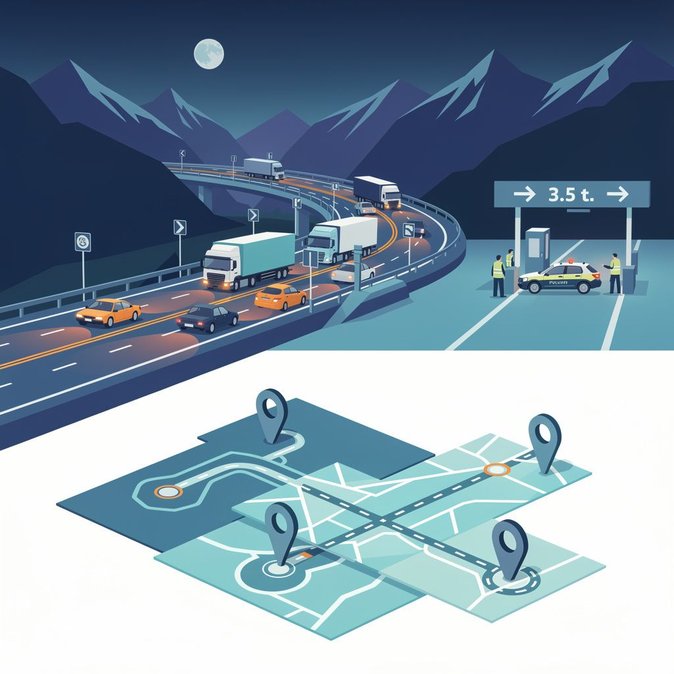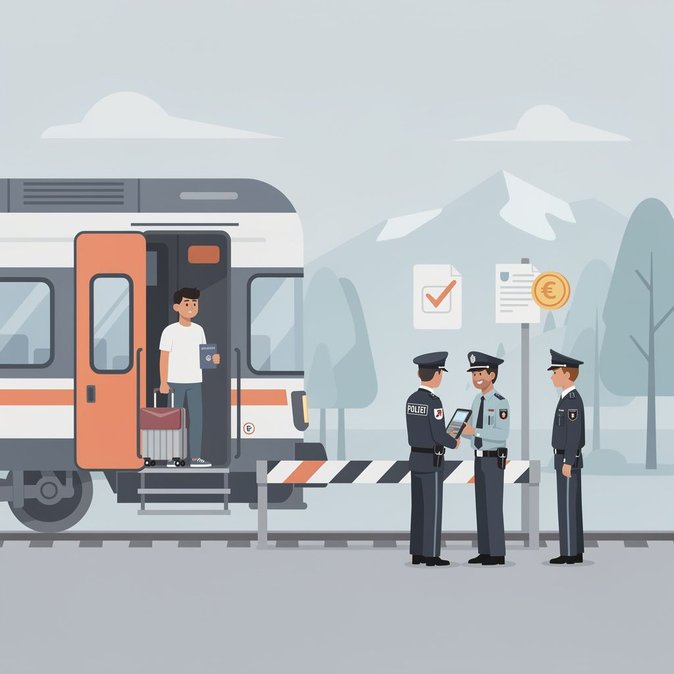
Cross-border enforcement between Germany and Austria intensified on 7 October 2026 when Bundespolizei officers at Lindau-Reutin station removed a 33-year-old Afghan national from a Zurich–Munich EuroCity train. Database checks revealed a German entry-and-residence ban valid until June 2027 and an outstanding arrest warrant for an earlier illegal-entry conviction. According to the Munich Federal Police Directorate, the passenger was carrying Austrian refugee documentation but had repeatedly breached his German entry ban since 2023. After paying nearly €2,600 in outstanding fines and security deposits, he was refused entry and transferred back to Austrian authorities at the Hörbranz/Kiefersfelden hand-over point the same evening. Why it matters: cases like this illustrate the practical impact of Austria’s and Germany’s continued re-introduction of internal Schengen border controls. Business-visa holders and posted workers who have any immigration irregularities risk being denied boarding or removed mid-journey. Mobility teams should remind travellers that carrying correct residence permits for the destination country is essential even on seemingly routine rail journeys within the Schengen Area. For Austrian employers the incident also shows that immigration violations recorded abroad can quickly boomerang: returnees arrive with fines paid but may face renewed scrutiny from Austria’s Fremdenpolizei when their status is reviewed. Companies should therefore audit employees’ compliance across the entire DACH region, not just in Austria. German–Austrian police cooperation has been stepped up this autumn, with daily joint patrols on long-distance trains and at Bavarian motorway crossings. Further spot checks are expected around All Saints’ Day weekend, traditionally a peak travel period.