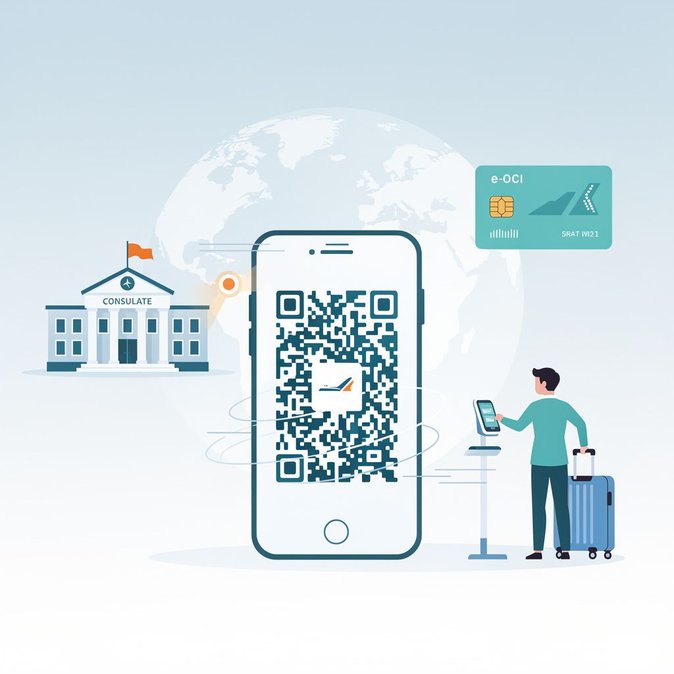
Several Indian consulates—including Tallinn, Birmingham and Chicago—updated their websites on 9 October 2026 to confirm that only electronic Overseas Citizen of India (e-OCI) cards will be issued henceforth. The switch follows the Ministry of Home Affairs’ 30 June launch of the e-OCI system, but Friday’s notices clarify that printing of physical booklet cards has now ceased worldwide. Existing OCI holders need not re-apply; instead they can log into the revamped portal (ociservices.gov.in) to download a secure PDF with a dynamic QR code, accepted by all Indian immigration checkpoints. The digital card can be stored in the “Indian Visa Su-Swagatam” mobile app, which also hosts India’s mandatory e-Arrival card. The move eliminates courier delays and lost documents, but raises compliance questions. Airlines will require check-in staff to scan the QR code; early reports suggest some carriers’ DCS systems are not yet updated. Corporate travel teams should circulate screenshots of the new format to airline partners and remind travelling executives to carry the passport linked to the OCI record. A forthcoming IVFRT update will allow e-OCI holders resident in India to update addresses online, replacing the in-person FRRO visit. Tax advisers also note that proof of OCI status is often requested when claiming benefits under India’s liberalised remittance scheme; the digital card should be printed and notarised when dealing with conservative banks until acceptance matures.