Public-sector strike set to halt Irish immigration and passport services; Dáil sitting cancelled
Public-sector strike set to disrupt passport processing, border controls and airport staffing
Department of Foreign Affairs issues 13 new travel-advice updates and confirms passport rule for Wales ferries
Latest News
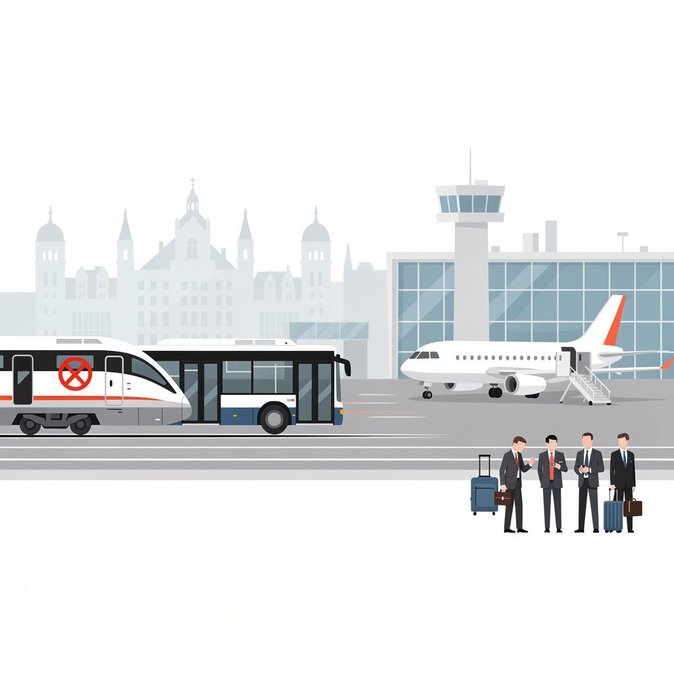
Belgian public-services strike to disrupt rail links on 12 October; Irish travellers advised to reroute
Monday’s nationwide strike across Belgium’s public services will severely curtail rail and bus links to Brussels and Charleroi airports, threatening itineraries for Irish officials and business travellers. Airlines are offering free re-booking, and companies should arrange alternative routings or overnight stays to avoid missed meetings.
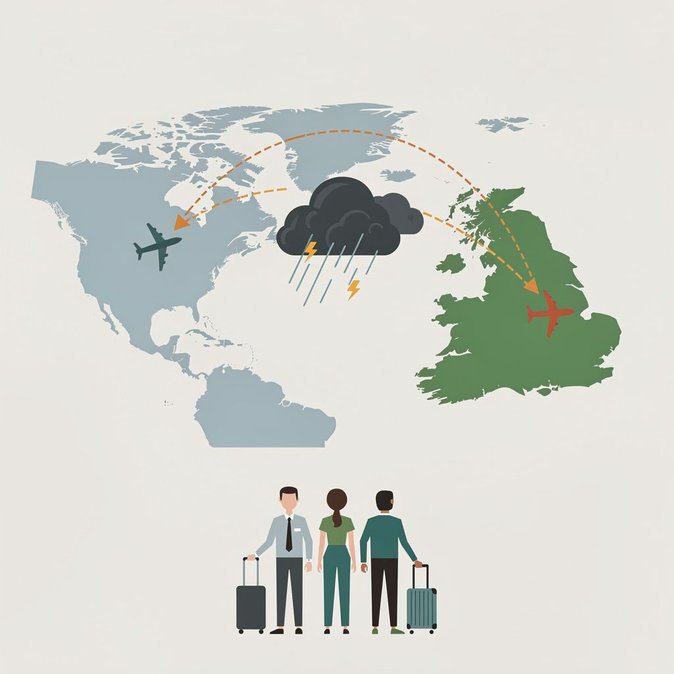
Weather-related operational issue triggers trans-Atlantic flight cancellation at Dublin Airport
American Airlines cancelled its Dublin–Charlotte flight on 11 October due to weather, leaving more than 200 passengers seeking re-routing. While the impact was limited, the incident illustrates how seasonal weather can disrupt critical trans-Atlantic links for Irish-based multinationals and underscores the need for contingency routing and automated re-ticketing.
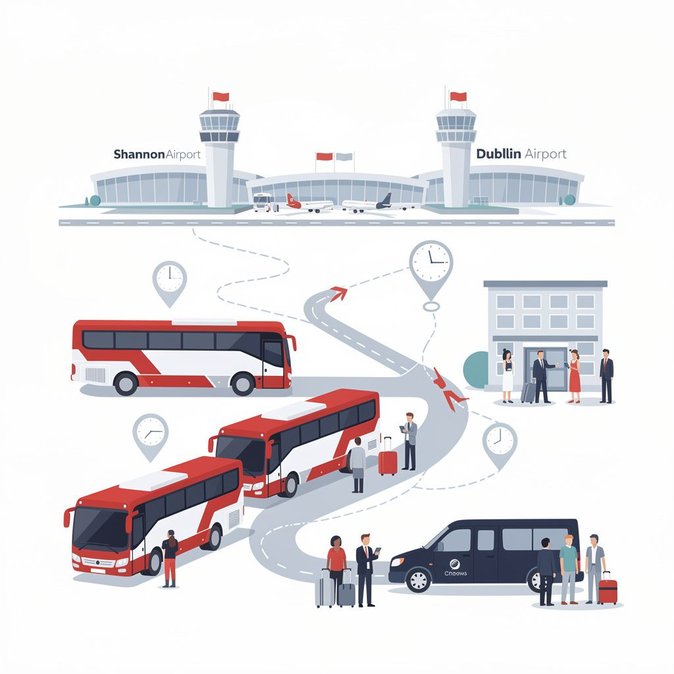
Bus Éireann warns of nationwide service cancellations on 11 October, including key airport and commuter routes
Bus Éireann posted a string of service-disruption alerts on 11 October, cancelling or delaying key regional routes that feed Shannon and Dublin airports. Travellers face longer transfer times and should monitor real-time apps, while employers may need to provide alternative ground-transport options.
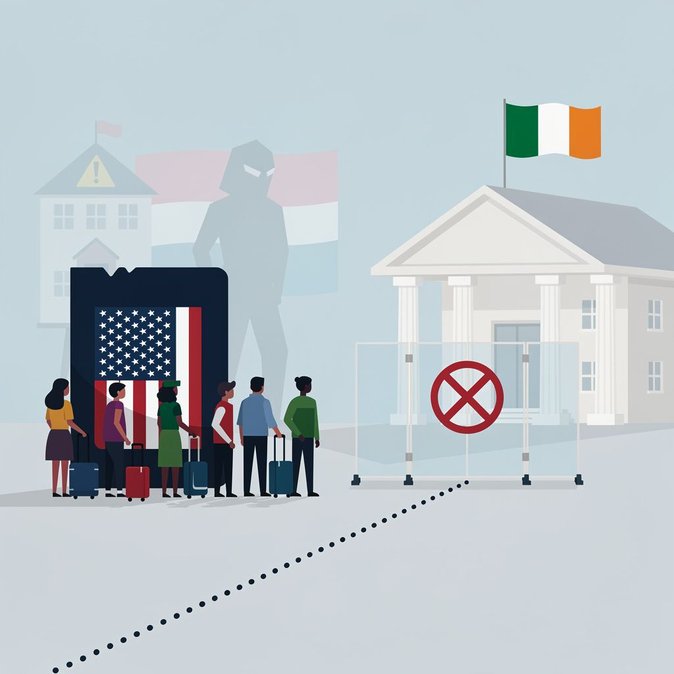
Spike in asylum claims by US citizens—none approved, review of tribunal decisions shows
Tribunal data analysed by The Irish Times show 94 US citizens applied for asylum in Ireland in 2025 and 43 so far in 2026, but none have received refugee or subsidiary-protection status. Decisions state that the United States offers sufficient state protection, even for applicants citing school shootings or anti-transgender violence. The trend illustrates Ireland’s strict approach to protection claims from developed democracies and underscores the need for alternative legal pathways for at-risk professionals.