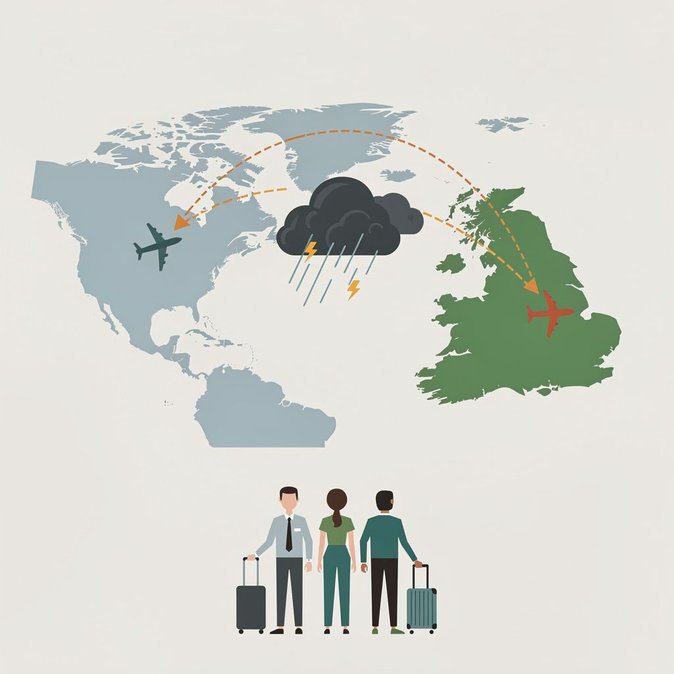
Ireland is bracing for its first nationwide public-sector strike since 2009 on Wednesday, 14 October, after weekend efforts to reach a new pay deal collapsed. Some 400,000 State employees – including staff in the Immigration Service Delivery (ISD), the Passport Service, Border Management Unit officers at Dublin Airport and Garda National Immigration Bureau clerical grades – are due to walk out for 24 hours. Minster for Higher Education James Lawless told reporters on Sunday that the stoppage is now “probably unavoidable”, despite €1.2 billion being ring-fenced to fund a settlement. The industrial action has immediate mobility implications. The Department of Foreign Affairs has confirmed that all passport offices and call-centres will close for the day, while ISD advised that no in-person or online immigration registrations will be processed and that appointments booked for 14 October will be re-scheduled automatically. Airlines operating the morning bank of trans-Atlantic flights out of Dublin and Shannon have been warned to expect longer queues at immigration exit-controls due to reduced Garda staffing, and the Irish Naturalisation and Immigration Service has asked carriers not to board passengers without the correct documentation. Companies moving assignees this week should check that employees’ Irish Residence Permits have at least two weeks’ validity remaining, as renewal windows will be squeezed. Political fallout is also mounting. The Dáil Business Committee voted on Saturday to cancel Wednesday’s sitting altogether rather than compel deputies to cross picket lines, forcing the postponement of the final committee stage of the Government’s International Protection (Family Reunification) Bill. Business groups had lobbied for that legislation – which would streamline work-permit conversions for family members of critical-skills holders – to pass before year-end, and its delay now looks inevitable. HR teams should advise travellers to avoid scheduling biometrics, GNIB renewals or in-person naturalisation ceremonies on 14 October. Those with imminent travel plans may wish to use Passport Express or an honorary consulate, although same-day service will not be available. Employers sponsoring non-EEA staff should factor an additional week into lead-times for employment permit printing and ISD stamping. Contingency plans for cross-border commuters may be required if Garda checkpoints are understaffed. Longer-term, analysts warn that a second strike day already pencilled in for 21 October could coincide with the busy autumn intake of international students, compounding visa backlogs. Multinationals should monitor union announcements and pre-book any essential appointments for late October now. The dispute has also heightened pressure on the coalition to fast-track digital immigration solutions – including the long-promised online residence permit renewal platform – to reduce vulnerability to future stoppages.
Source: BreakingNews.ie / RTÉ
How VisaHQ can help
VisaHQ simplifies the visa application process for individuals and businesses. Check current travel requirements, prepare the required documents and manage your application online through the VisaHQ Ireland portal.More From Ireland
View all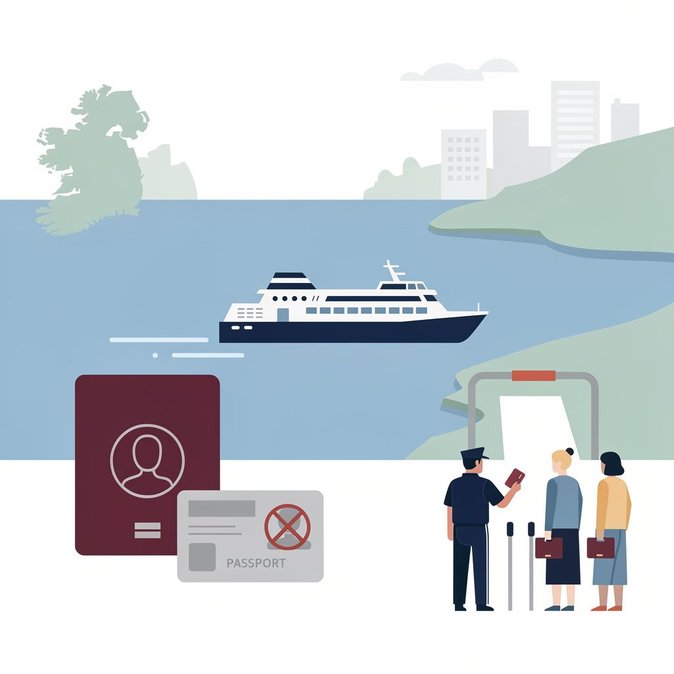
Department of Foreign Affairs issues 13 new travel-advice updates and confirms passport rule for Wales ferries

Public-sector strike set to disrupt passport processing, border controls and airport staffing