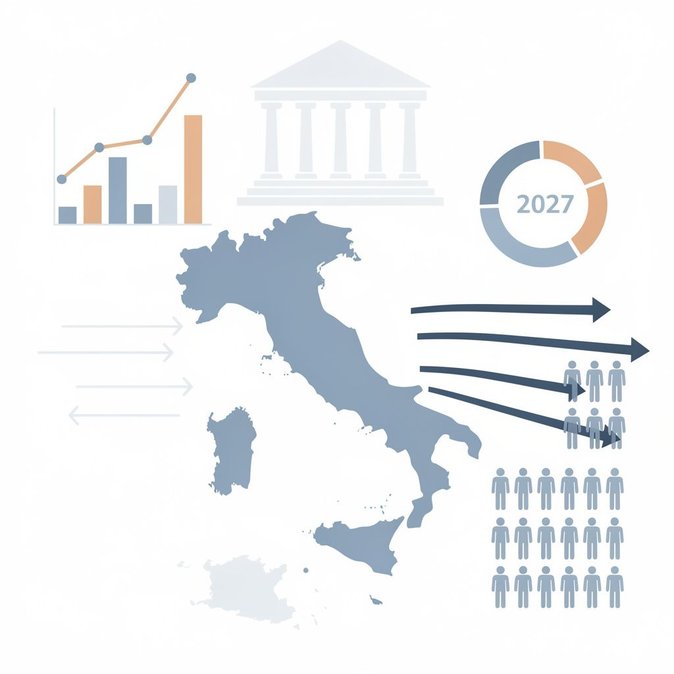
In its daily bulletin released at 13:34 CET on 15 October, Italy’s Interior Ministry confirmed that 24,583 people have reached the country by sea since 1 January. The figure is less than half the 55,184 registered in the same period of 2025 and marks the lowest October tally in five years—just 1,692 arrivals so far this month. Bangladeshis top the nationality list (24 %), followed by Algerians, Somalis and Eritreans. Returns, however, are rising. The ministry reports 6,920 repatriations year-to-date—already beating the 2025 annual total. Officials attribute the pace to new readmission deals with Tunisia, Egypt and The Gambia plus expanded funding for Frontex charter flights. Despite lower inflows, Italy’s reception network remains under strain: 85,610 migrants are housed in first-line centres, 556 in hotspot facilities and nearly 40,000 in the municipal-level SAI system. Lombardy hosts the largest share (13 %), followed by Lazio and Emilia-Romagna. For employers the numbers matter because the Interior Ministry uses them—along with labour-market data—to set annual quotas in the forthcoming 2027 ‘decreto flussi’. Regions lobbying for higher caps argue that asylum-seekers with pending cases cannot legally fill vacancies, leaving agriculture and logistics short-staffed during peak season. Global-mobility teams should watch for further ministerial circulars that may re-allocate reception places or introduce fast-track work permits for long-staying asylum applicants, a pilot previously tested in Lombardy during the pandemic.
Source: AgenSIR