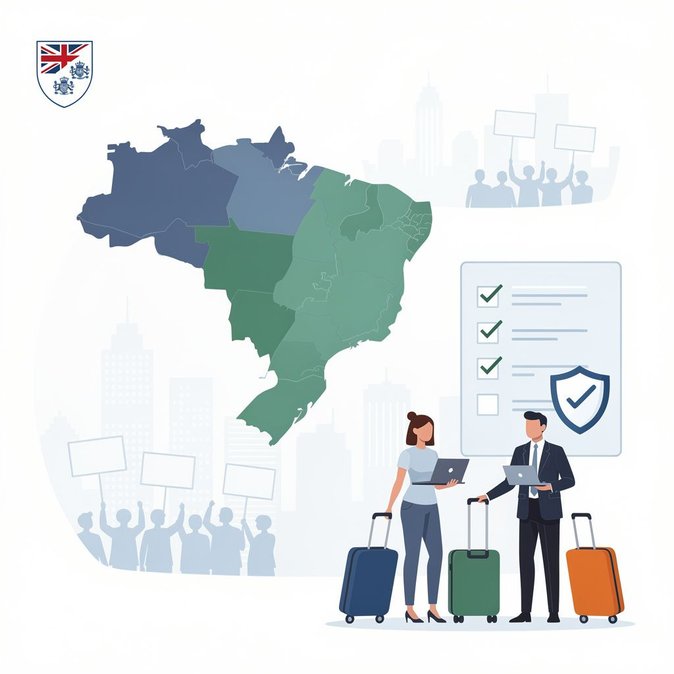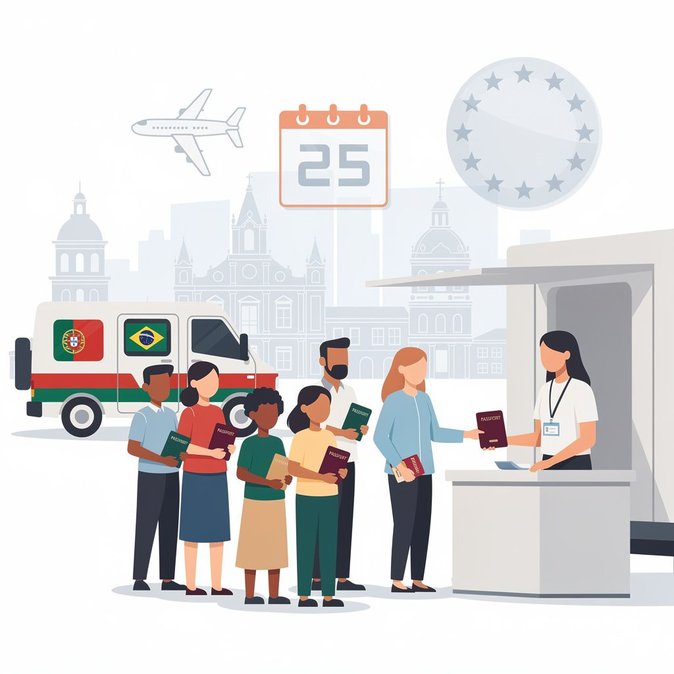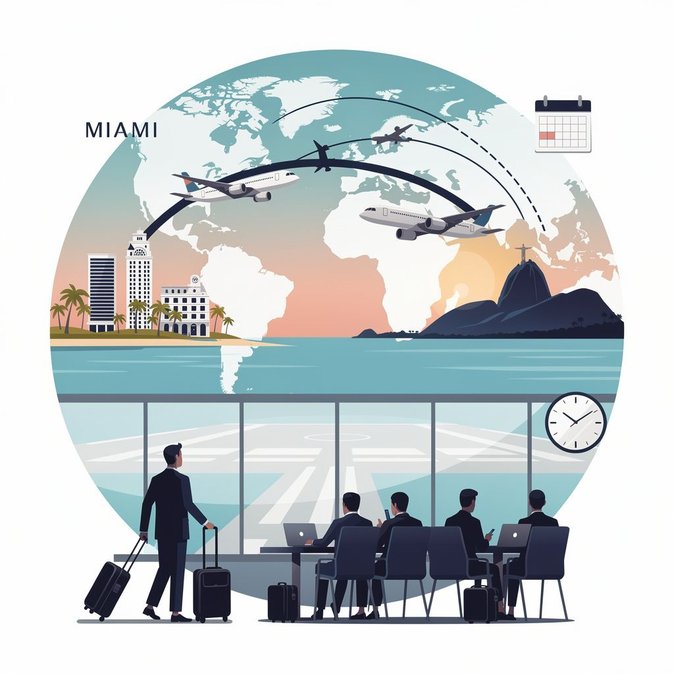
Swiss broker Maximum Insurance updated its risk dashboard early on 19 October 2026, keeping Brazil at “Level 2 / 4 – Exercise Increased Caution” but appending a fresh note on election-related security incidents. The platform, which scrapes and synthesises U.S. State Department, France Diplomatie and other government feeds each morning, serves as a bell-weather for many multinational travel programmes because policy premiums and coverage limits auto-adjust to the rating shown on the site. The insurer stresses that Level 2 is not a blanket travel ban. However, under several corporate insurance master policies, a jump from Level 1 to Level 2 triggers mandatory manager approval, daily check-ins and proof that travellers have read the latest security brief. As a result, thousands of pending October-November itineraries have been re-routed through regional hubs such as Panama City or postponed until after Brazil’s 25 October run-off. Maximum Insurance’s notice mirrors language in recent U.S. and UK government advisories warning of demonstrations near polling stations and government buildings. It singles out Brasília’s Esplanada dos Ministérios and downtown areas of Rio and São Paulo as potential flashpoints. Travellers are encouraged to carry digital as well as paper copies of their passports and to register with their embassy’s crisis-alert system before departure. For global-mobility teams, the update means higher trip-approval thresholds, possible premium surcharges on “high-risk days” (4 and 25 October) and renewed scrutiny of local vendor evacuation plans. Companies that self-insure evacuation costs are advised to review air-ambulance and charter-flight contracts; Brazil’s air-traffic system historically experiences strike threats during tense political periods, creating bottlenecks for emergency extractions. The alert also reminds expatriates that foreign nationals resident in Brazil remain subject to domestic security measures. Curfews or localized movement restrictions imposed by state governors could affect the validity of rental-car insurance and cargo-in-transit cover—areas often overlooked in global-mobility compliance audits.