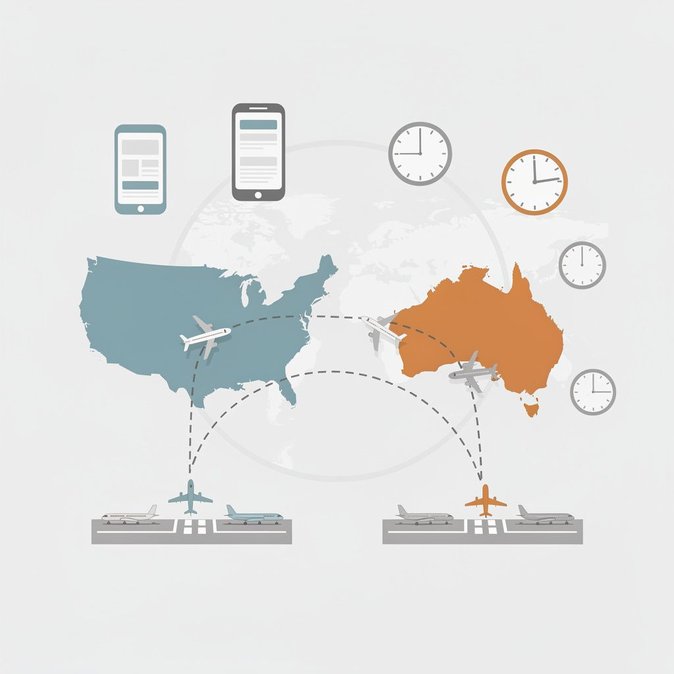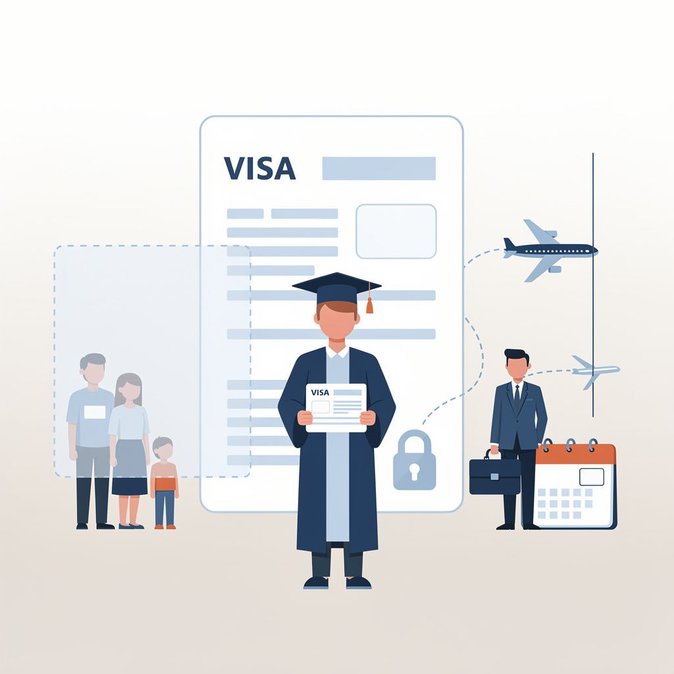
In its weekly bulletin dated 14 November, Australian Immigration Agency spotlighted two quiet but far-reaching changes that hit internationally mobile graduates and employer-sponsored workers. First, the Department of Home Affairs has shut the “subsequent entrant” pathway for the Temporary Graduate visa (subclass 485). From 13 November, partners and children can no longer lodge independent 485 applications after the primary graduate’s visa is granted. Families must now be included at the original lodgement stage. For graduates who have already received their visa, dependants are effectively locked out unless and until the main holder qualifies for a second graduate visa—a scenario limited mainly to regional study streams. Universities and graduate recruiters fear the rule will deter talent who want to bring dependants later. Second, from 30 November the Department will shorten Bridging Visa B (BVB) travel windows for applicants awaiting decisions on key employer-sponsored subclasses (186, 187, 482, 457 and 494). Case officers will grant travel periods aligned to the applicant’s documented itinerary rather than the 12-month multiple-entry periods common today. Applicants will also need “substantial reasons” with evidence—conference invitations, medical letters, funeral notices—to justify overseas trips. Combined with the impending mandatory 8503 condition on visitor visas, the measures underscore Home Affairs’ push to curb visa-hopping and long-term temporariness. Employers planning to transfer graduates into skilled roles must now coordinate family inclusion early and brace for reduced international-travel flexibility during the permanent-residence waiting game. Mobility teams should brief affected staff immediately: a holiday at Christmas may no longer be covered by a broad BVB, and dependants not already on a graduate’s application may need alternative visa strategies. Failure to adapt could strand family members offshore or force costly last-minute re-lodgements.
Source: Australian Immigration Agency