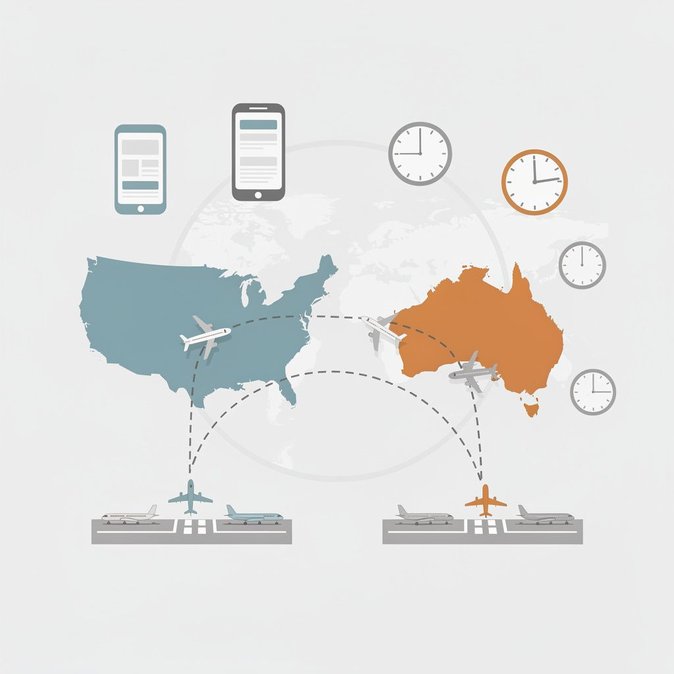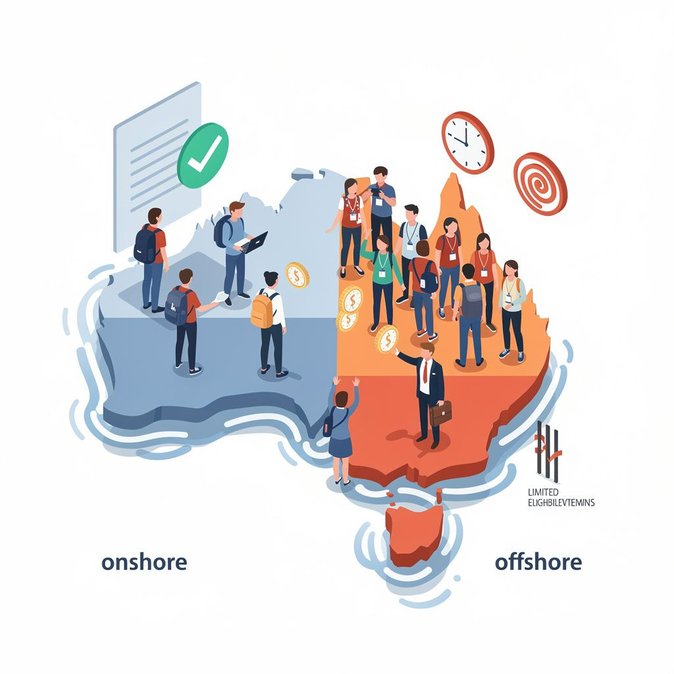
Analysis published on 15 November highlights the practical consequences of student-visa amendments that took effect on 2 October 2026 but are only now being felt by education providers and international students. Under the new rules, a holder of a Student (subclass 500) visa may lodge another student-visa application in Australia only if they fall within tightly defined exceptions—for example, needing extra time to finish the same course with the same provider, or progressing to a single higher-level qualification. Dependants do not benefit from identical exceptions, meaning many accompanying partners and children must now depart Australia to apply for a further visa. Students switching education sectors—say, from vocational training to a bachelor’s degree—must also apply offshore unless their pathway satisfies the progression criteria. Universities and colleges face fresh compliance challenges. Course advisers must verify that prospective re-enrolments meet the Australian Qualification Framework (AQF) hierarchy test before encouraging an on-shore application. Corporate sponsors that use student visas for interns or early-career trainees need to adjust program calendars, factoring in overseas lodgement time and potential border delays. The Department of Home Affairs says the change aims to curb “visa hopping” that undermines the genuine-temporary-entrant requirement, but migration agents report confusion among students whose visas expire over the summer break. Institutions are rushing to update orientation materials and are urging students to start offshore applications at least eight weeks before the next semester.
Source: Migroo News