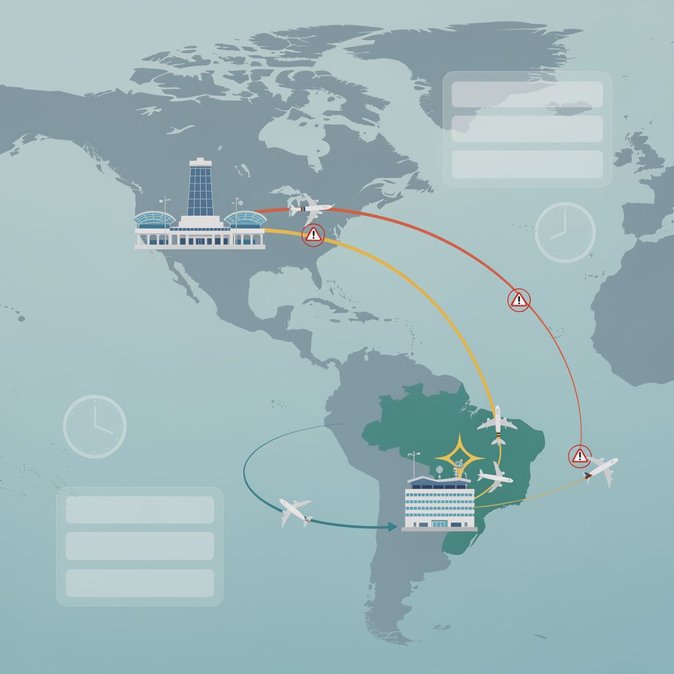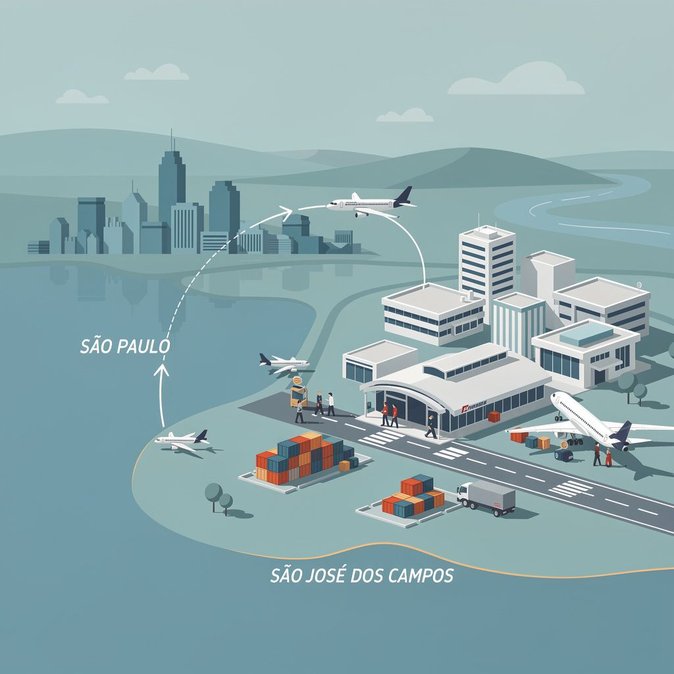
São José dos Campos (SJK/SBSJ), the first privately-conceded airport in Brazil’s Vale do Paraíba, has crossed the 100 000-passenger mark just 20 months after welcoming its inaugural scheduled flight in March 2024. Concessionaire SJK Airport released the milestone figures on 15 November, noting a 20 percent traffic increase year-on-year and an average load factor above 70 percent on Gol’s thrice-weekly Boeing 737 service to Rio de Janeiro. Connectivity is the key draw. By timing the SJK–Rio rotation to feed Gol’s domestic and international banks, residents of Brazil’s aerospace capital can now reach 30 onward destinations—from Manaus and Salvador to Buenos Aires and New York—without driving to São Paulo’s congested Guarulhos or Congonhas airports. Local industry groups say the service has shaved at least four hours off typical door-to-door times for engineers commuting to Embraer and suppliers clustered around the city. Cargo volumes have also ballooned. SJK Cargo handled 10 million kg of imports and exports over the past year, supported by six weekly freighter flights from Miami and Brussels. The airport claims the fastest customs-clearance cycle in Brazil’s South-East and South regions, thanks to an on-site “one-stop” inspection facility and extended Receita Federal hours geared toward just-in-time aerospace supply chains. For global-mobility managers, SJK’s emergence offers a cost-efficient alternative to São Paulo hubs for assignees living in the Vale do Paraíba technology corridor. Housing costs in São José dos Campos remain roughly 30 percent lower than in the capital, and the airport sits within 90 minutes of both the Litoral Norte beaches and pilgrimage sites such as Aparecida, broadening weekend travel options for expatriate families. Looking ahead, the concessionaire plans to lobby ANAC for permission to add a seasonal service to Brasília and to lengthen the runway by 300 metres, which would allow nonstop narrow-body flights to Santiago and Lima. If approved, those routes could further decentralise international access to Brazil’s most industrialised state.
Source: São Paulo Conecta