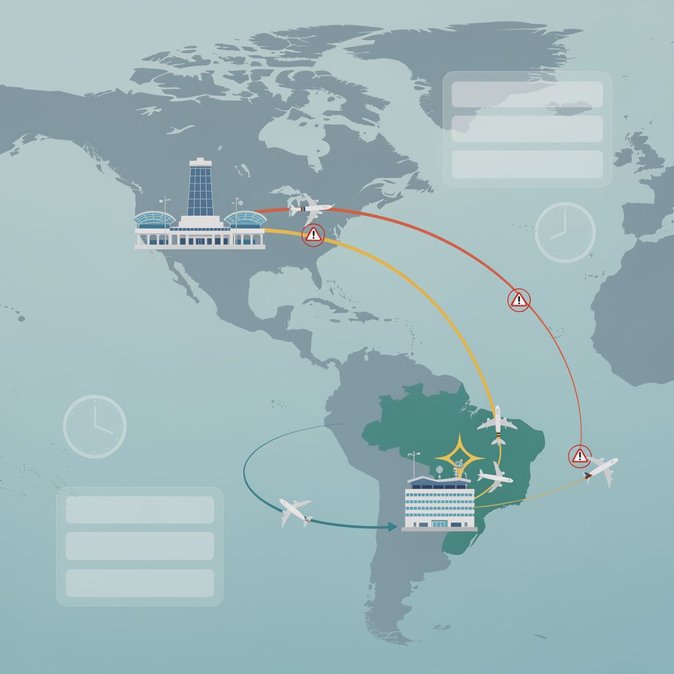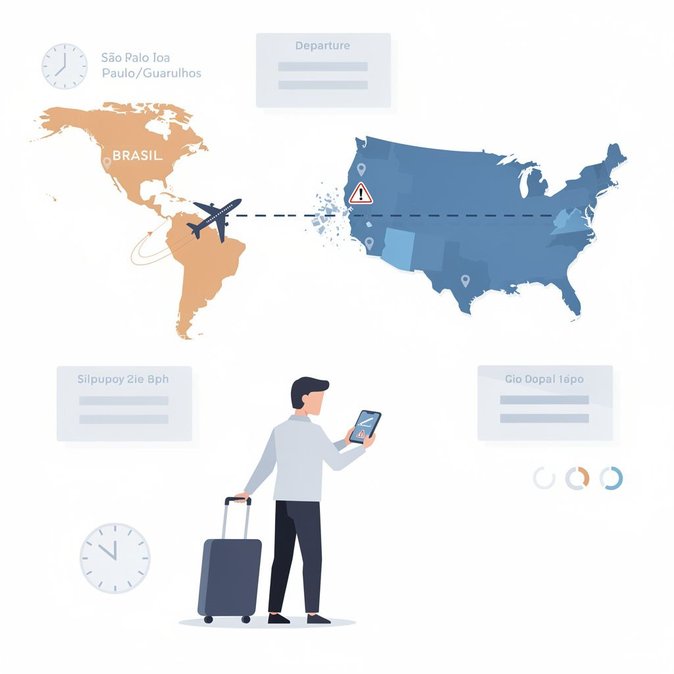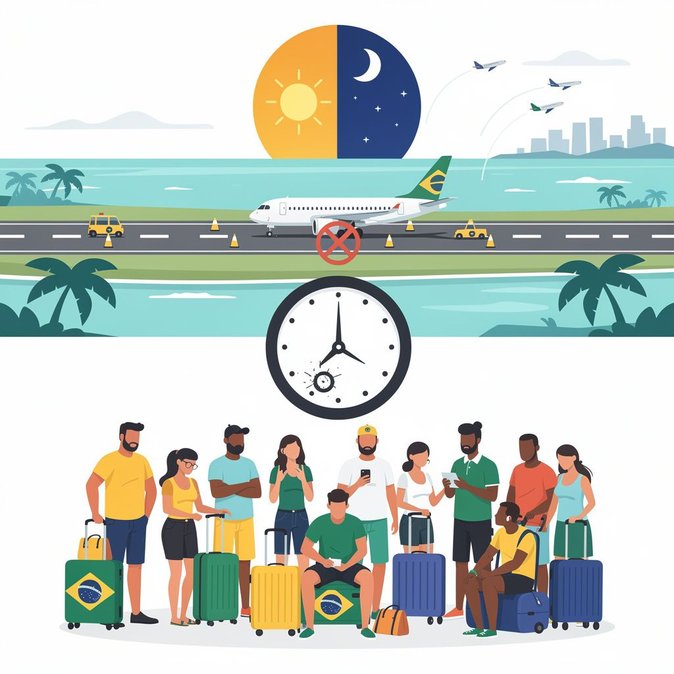
An emergency landing incident that closed Punta Cana International Airport’s sole active runway on 12 November snowballed into a 24-hour ordeal for 150 Brazilian holiday-makers, who finally secured seats home on 14 November after staging a loud protest at the Arajet check-in area. The problem began when a Boeing 737 arriving from Miami blew a tyre on touchdown, blocking the runway and forcing multiple diversions to Santo Domingo. With only one remaining runway under repair, airport management halted all operations for several hours, leaving passengers without clear information. Videos that went viral on Brazilian social media show families chanting “Queremos viajar!” while demanding hotel vouchers and meal assistance. Consular officials from Brazil’s embassy in Santo Domingo intervened, pressing the airline to comply with Dominican consumer-protection rules similar to Brazil’s ANAC Resolution 400. The episode highlights a vulnerability shared by many regional leisure gateways—including Brazil’s own Florianópolis and Jericoacoara—where a single runway means even minor incidents can cascade into full closures. Corporate mobility managers sending incentive groups to such destinations should build extra buffer days into itineraries or purchase disruption insurance. Arajet eventually repositioned an aircraft from Bogotá, allowing the stranded group to depart at 02:10 local time on 14 November and land in São Paulo at 09:45 BRT. Passengers reported receiving US$200 travel credits in addition to statutory assistance. Brazil’s Ministry of Tourism said it will raise the issue at next month’s ICAO Working Group on passenger-rights harmonisation, arguing that clearer cross-border standards are needed when disruptions affect foreign nationals.
Source: AEROIN