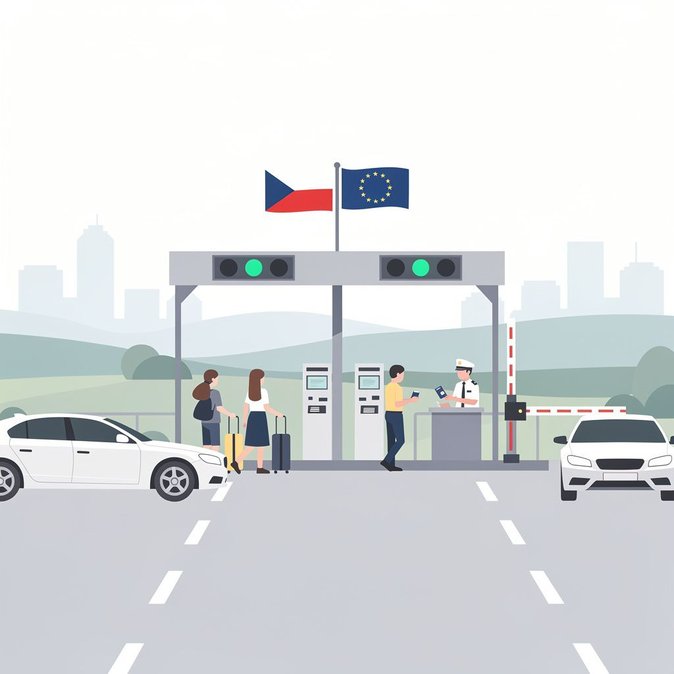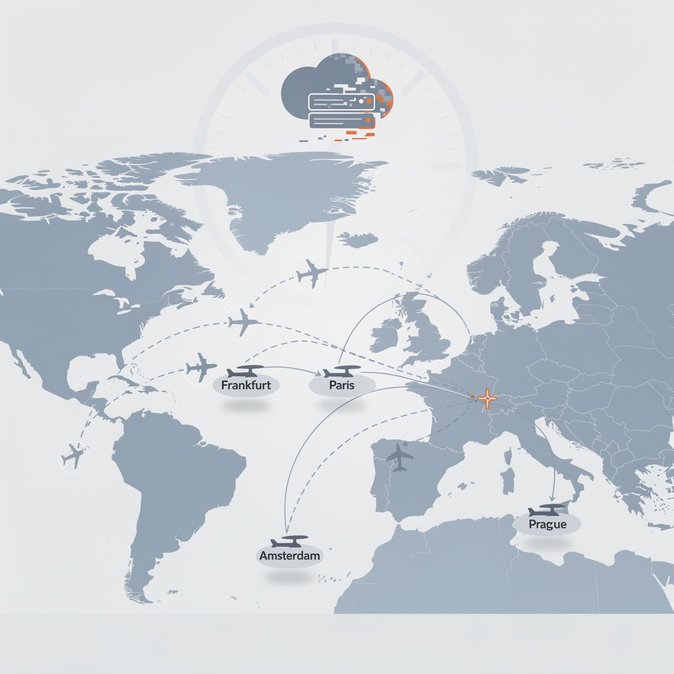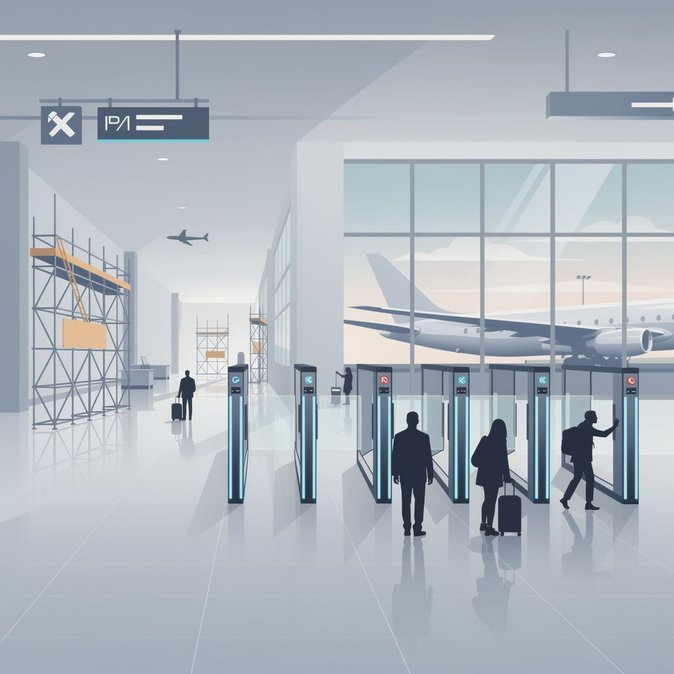
Real-time monitoring platform EES Watch reported at 13:00 CET on 15 November that border-control queues for non-Schengen arrivals at Prague’s Václav Havel Airport were “currently light”, with an estimated 90-minute clearance time during the lunchtime wave. The figures come six weeks after the airport’s board introduced a passenger-care action plan that automatically dispatches water and assistance teams when waits breach threshold levels. Although the Entry/Exit System (EES) has settled into what airport management calls “medium readiness”, first-time biometric enrolments still take longer than manual passport stamping, particularly for travellers unfamiliar with the self-service kiosks. Airlines including British Airways and Ryanair continue to recommend check-in arrival three hours ahead of departure, and the airport’s own guidance remains at four hours for long-haul flights. Construction work to expand Terminal 1’s border-control area—adding five staffed booths and four EasyGoGate e-gates—started in September and will last until April 2027. During peak construction phases, some passenger corridors are narrowed, which can create intermittent bottlenecks even when EES hardware is functioning normally. Corporate travel departments with Prague-based staff report that missed connections have fallen since the action plan’s roll-out, but warn that the 17 November public-holiday spike could still overwhelm the system if winter weather diverts additional flights from Vienna or Munich. Travellers should therefore continue to monitor the live dashboard and maintain contact with ground handlers for re-routing options. The Ministry of the Interior says it will review the first full month of EES statistics at the next aviation-security working group on 22 November, focusing on kiosk failure rates and the effectiveness of multilingual on-screen instructions.
Source: EES Watch