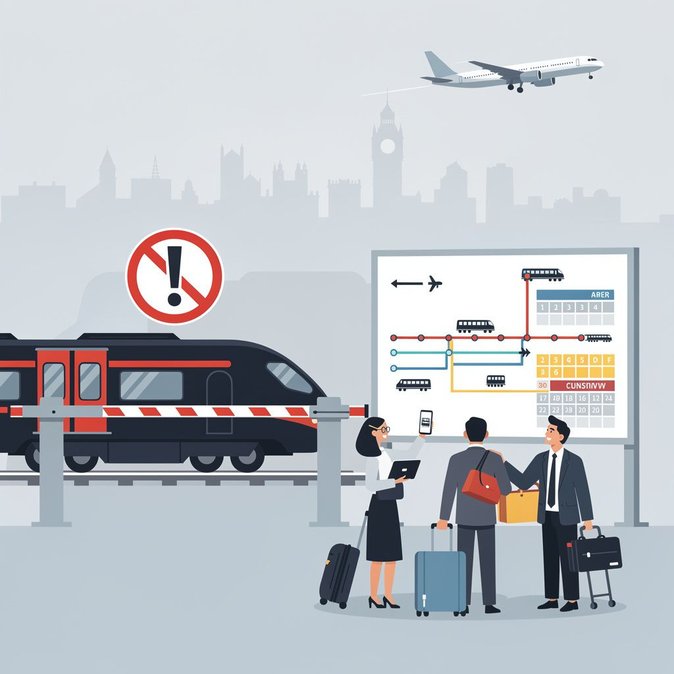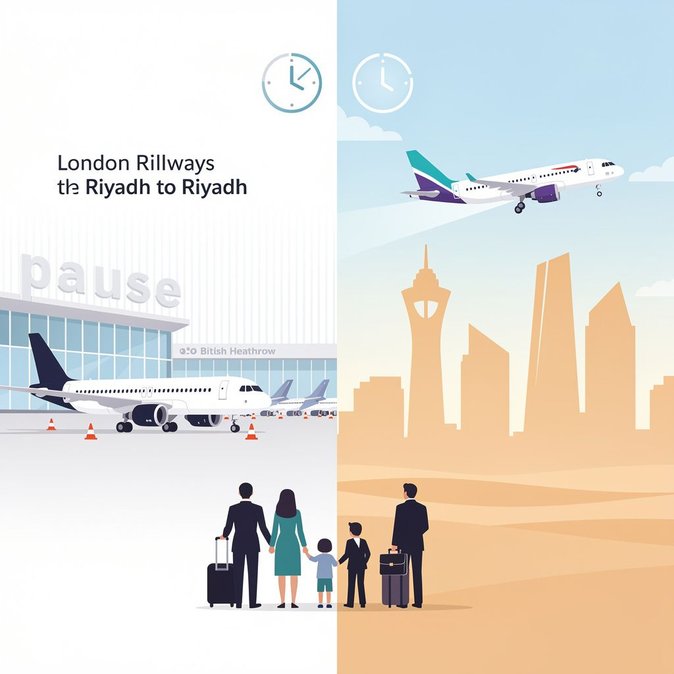
A live update from aviation intelligence site Airspace Times shows British Airways has prolonged the suspension of its London Heathrow–Riyadh route until 11 January 2027 following missile and drone attacks on Saudi airports. Rival carrier Riyadh Air resumed one daily Heathrow flight on 13 November, but most European airlines—including Air France and ITA Airways—remain absent, while Lufthansa plans a limited restart on 18 November. The dynamic security picture complicates duty-of-care planning for UK multinationals with operations in the Gulf. Travel managers must now juggle fragmented capacity, volatile insurance premiums and the possibility of snap air-space closures. Corporate rates negotiated in 2025 did not foresee three-stop routings via Muscat or Bahrain, so travellers are facing surcharges well above policy caps. Some firms are redeploying staff to the UAE and flying executives into Riyadh on day-trip charters to avoid overnight exposure. The Foreign, Commonwealth & Development Office (FCDO) continues to advise against travel within 80 km of the Yemeni border but has not changed its advice for Riyadh itself. However, several corporate security providers have raised the city’s risk rating from “medium” to “high” after Houthis claimed responsibility for the 8 October attack on King Khalid International. Under most enterprise risk matrices that shift triggers mandatory senior-management sign-off for travel. From a mobility perspective, delayed family relocations are the most immediate knock-on effect. School start dates in Riyadh’s international schools run from late January, meaning HR teams have a narrow window once BA returns. In the interim, companies should revisit hardship allowances and ensure that global mobility policies allow for temporary housing costs in Dubai or Doha if staff must overnight before connecting to the Saudi capital.