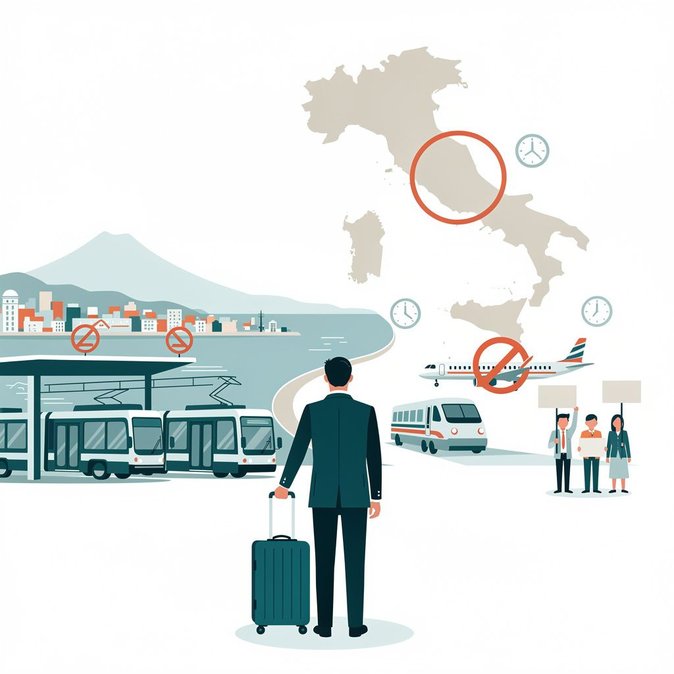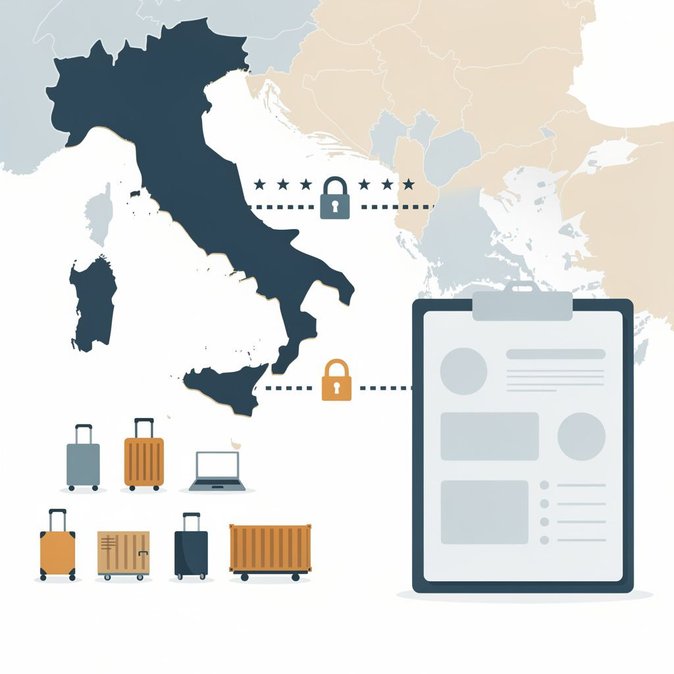
Transparency advocates have clashed with Italy’s Interior Ministry after the watchdog site Pagella Politica revealed on 14 November that officials rejected a freedom-of-information request for statistics on the temporary border controls imposed on flights and ferries arriving from Spain. The checks—introduced on 1 August in response to the mass crossing at Spain’s Ceuta enclave—were repeatedly extended until 22 October, suspending normal Schengen free-movement rules between the two countries. According to internal briefings leaked earlier in the autumn, the operation involved Advance Passenger Information screening of 1.5 million travellers and on-site identification of half a million more. But when Pagella Politica asked for the final tallies of inspections, refusals and arrests, the ministry cited “public-security risks,” arguing that disclosing the numbers could help criminal networks map enforcement patterns. Administrative-law experts interviewed by Italian media call the refusal disproportionate: aggregate data ordinarily fall under mandatory proactive disclosure obligations. Critics say the decision undermines Schengen governance, because member states that reintroduce internal controls must justify them and report results to Brussels. For mobility managers the episode is a reminder that data on border wait-times, refusal trends and profiling criteria may be scarce even when measures disrupt travel for months. Airlines and multinationals with high Spain–Italy traffic struggled this summer with short-notice document checks and occasional missed connections; without official metrics it will be harder to seek compensation or refine contingency plans. Politically, the row hints that Rome may keep resorting to unilateral border actions during future migration spikes while limiting public oversight. Companies should track forthcoming parliamentary questions and any EU Commission follow-up, as fresh transparency requirements—or infringement proceedings—could reshape how Italy manages emergency border suspensions.
Source: Il Fatto Quotidiano