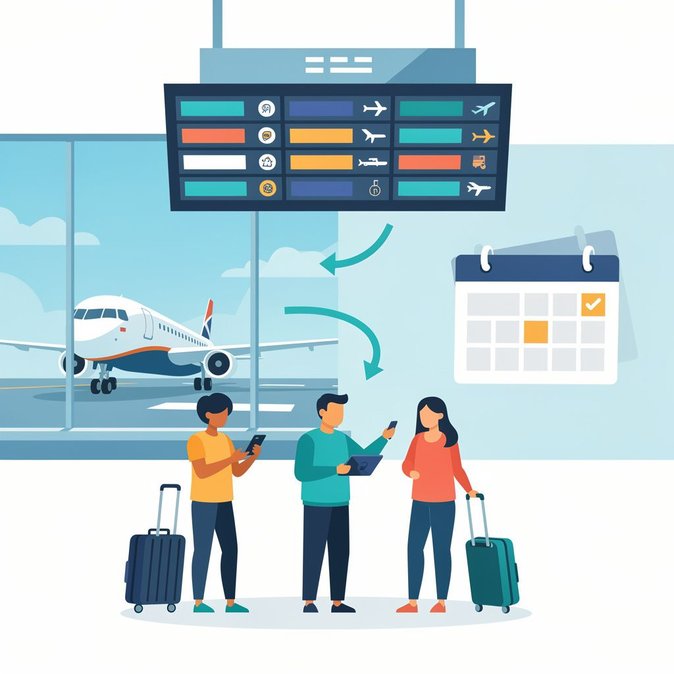
With aircraft and crews out of position following the nationwide ground stop, most major U.S. carriers—including American, Delta, United and Southwest—activated travel-waiver policies that allow customers ticketed for 13–17 November to change flights without penalty or fare difference. The waivers cover both domestic and trans-border itineraries, giving business travelers the opportunity to reroute through less-congested hubs or shift meetings to avoid residual delays. Some airlines are also temporarily relaxing minimum-stay requirements and extending elite-status mileage earning on affected tickets as goodwill gestures. Corporate-travel managers say the policies are critical for multinational staff relocating to U.S. headquarters in the run-up to year-end project deadlines. Cargo operators have followed suit: FedEx and UPS announced limited service-guarantee suspensions through 16 November, warning that belly-cargo backlogs could cascade into express-parcel delays. Supply-chain analysts advise companies to prioritize time-sensitive components and consider seafreight or cross-border trucking if feasible. Travel-risk experts emphasise that the waivers are time-limited; employees should rebook quickly before seat inventory tightens. Mobility teams should also remind travelers that accommodation reimbursements may require documentation that a flight was cancelled or delayed more than three hours under carrier contract-of-carriage rules.
Source: Associated Press