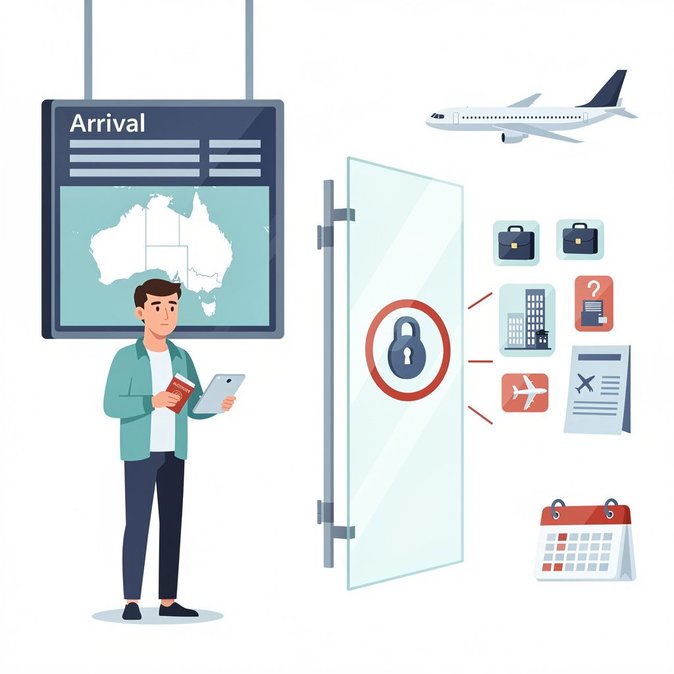
Within hours of the government confirming that every visitor-class visa lodged on or after 28 November will carry the restrictive 8503 condition, professional bodies moved into crisis-management mode. The Migration Institute of Australia (MIA) issued Member Notice 29 on 16 November, urging agents to triage client files and lodge any strategic Visitor, ETA or eVisitor applications immediately. Migration Alliance echoed the call in a bulletin the same day, warning that “thousands of travellers who expected to extend or vary their stay in Australia next year may find themselves unexpectedly grounded”. The association’s legal team predicts a 60–80 % spike in visitor-visa lodgements over the next ten days, similar to the surge seen ahead of the 2024 Graduate visa reforms. Practically, agents are front-loading medicals and English-language evidence to submit ‘decision-ready’ applications before online queues lengthen. Many are also advising clients to purchase fully flexible tickets in case processing spills past 28 November and the new condition is imposed retrospectively. The scramble is particularly acute for fiancé(e)s and elderly parents, who often use visitor visas as bridging options while longer-term family visas are finalised. For HR and mobility teams the lesson is to coordinate closely with preferred migration providers this week. If a business visitor might need to convert to a Temporary Skill Shortage (TSS 482) or Global Talent visa after arrival, it may be cheaper and less disruptive to apply offshore from the outset. Employers should also update pre-departure briefings and intranet FAQs to reflect the 8503 constraint. Agents expect the Department of Home Affairs’ ImmiAccount portal to experience heavy traffic in the days leading up to the cut-off. System slowdowns in previous rush periods added up to 72 hours’ lag between payment and formal lodgement—an outcome that would leave late submissions subject to the new rule.