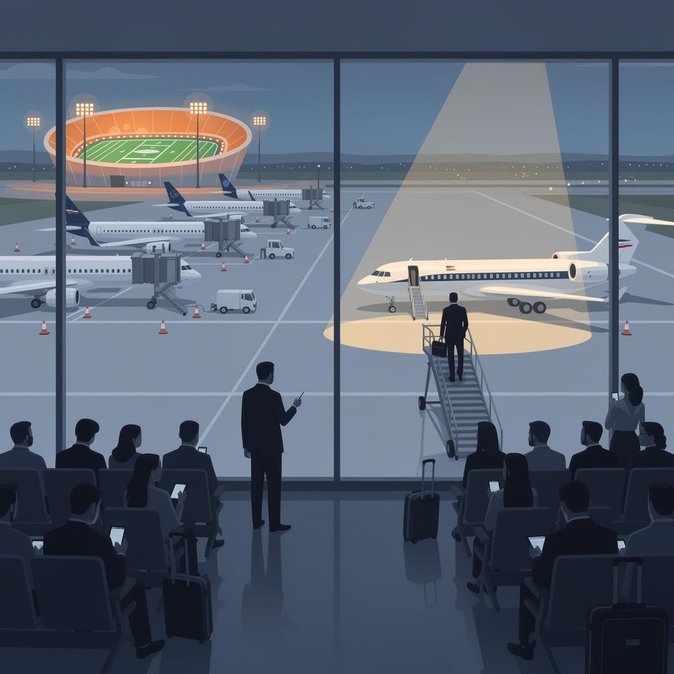
Less than a week after a communications meltdown grounded every civilian flight in the United States for four hours, the Federal Aviation Administration said Tuesday that it has suspended installation of Juniper-brand routers across its air-traffic network while investigators pinpoint the root cause of the failure. The agency also disabled the advanced functionality on the 27 routers already in place and reverted to 25-year-old Cisco devices to keep radar and voice links stable. Internal incident reports show that a replacement router installed at South Arkansas Regional Airport began sending roughly 1,000 connection requests every five seconds, overwhelming communications and radar feeds at 17 of the nation’s 22 Air Route Traffic Control Centers. The cascading outage triggered the first nationwide ground stop since 9/11 and stranded an estimated one million passengers during the busy pre-Thanksgiving period. For corporate travel managers the pause is a double-edged sword. On the one hand, it reduces the near-term risk of another catastrophic failure as the holiday rush approaches. On the other, it slows the multiyear NAS Modernization project that promised faster flight-plan data and fewer delays. The Trump administration on the same day asked Congress for an emergency US $50 billion to accelerate replacements of aging towers and information-technology systems—a request Democrats say lacks detail on contractor oversight and cybersecurity testing. Airlines have already begun to factor the uncertainty into their schedules. Several carriers, including Delta and Southwest, quietly added buffer time to flight blocks this week, leading analysts at Cowen to estimate a 0.6-point drop in fourth-quarter operating margins. Travel-risk advisers are urging companies to build extra layover room into itineraries and to re-check real-time airport status at NASStatus.FAA.gov before dispatching mobile employees. The FAA says new router deployments will remain frozen until a joint engineering review with contractor L3Harris and manufacturer Juniper Networks delivers “fail-safe configuration standards” later this winter. Until then, the U.S. air-traffic system will be flying on legacy hardware first installed when dial-up modems were still in vogue—a sobering reminder of the fragility of the country’s mobility infrastructure.
Source: Associated Press