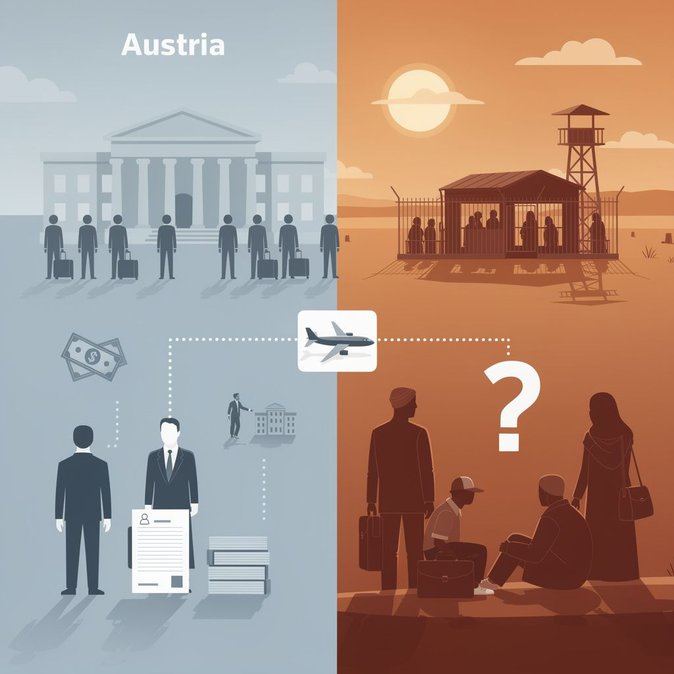
Barely 24 hours after Austria’s government showcased its new Rwanda ‘Return Hub’, Austrian media and civil-society groups unleashed a wave of criticism questioning both the legality and the cost of the project. In an interview with national broadcaster Ö1, Interior Minister Gerhard Karner conceded that “we will start with a very small number” of transfers and admitted that no binding agreement has yet been signed. The lack of detail has fuelled speculation: leaked budget lines suggest Vienna has allocated €15 million for preparatory work in 2027-28, but opposition MPs argue the figure could triple once security, monitoring and integration measures in Rwanda are added. Migration scholar Judith Kohlenberger told ORF the plan might ultimately cover only 800-850 people—a scale, she said, “too small to be a genuine deterrent and too expensive to justify politically”. Human-rights NGOs note that Austria already operates temporary border checks with Hungary, Slovenia, Slovakia and Czechia; outsourcing returns, they argue, risks violating the EU Charter if Rwanda fails to guarantee effective protection. Karner insisted UNHCR and IOM involvement would safeguard standards, yet both organisations have so far offered only technical advice, not endorsement. For employers, the domestic debate could translate into slower processing times for family-reunification visas and more stringent documentation checks as political attention intensifies on migration flows. Companies planning intra-EU postings through Vienna may want contingency buffers until the policy landscape stabilises. Meanwhile, public-relations teams should be aware that employee questions about Austria’s human-rights record are likely to surface, particularly among U.S. assignees accustomed to high-profile media coverage of the Rwanda plan. The parliamentary budget committee meets next week; if opposition parties succeed in attaching transparency riders or cost caps, implementation timelines could slip. Mobility managers should therefore track not only EU-level negotiations with Kigali but also Austria’s internal legislative calendar, where the make-or-break funding decisions will occur.
Source: ORF News
How VisaHQ can help
VisaHQ simplifies the visa application process for individuals and businesses. Check current travel requirements, prepare the required documents and manage your application online through the VisaHQ Austria portal.More From Austria
View all
Border checks near Hörbranz net three fugitives and highlight ongoing Austria-Germany controls
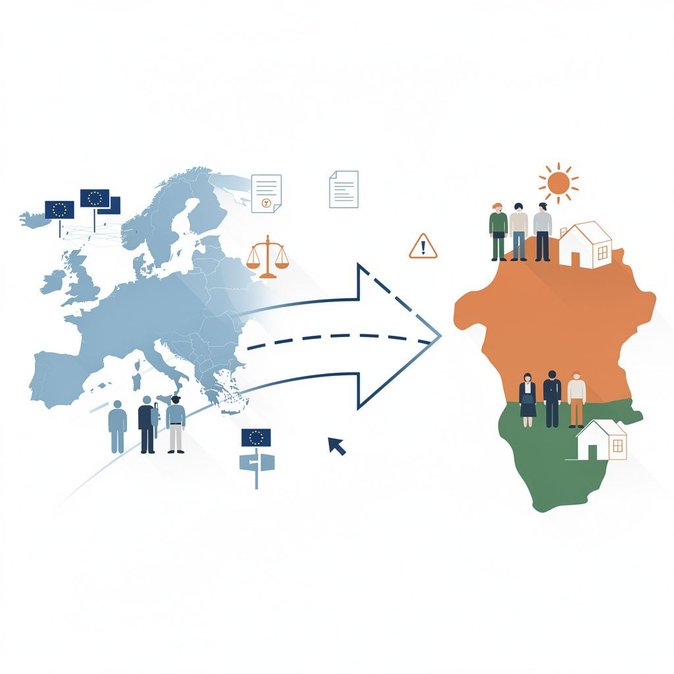
Five EU States, Led by Austria, Formalize Plans for Rwanda ‘Return Hub’ to Deport Rejected Asylum-Seekers