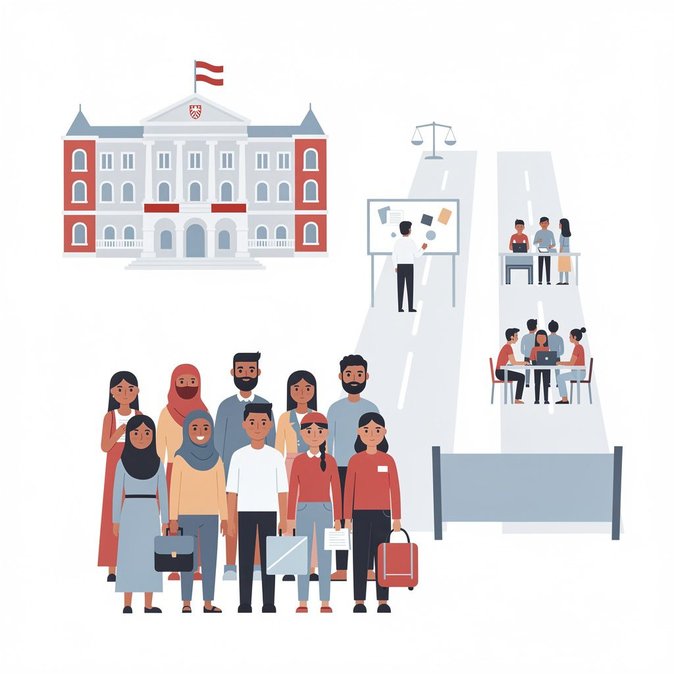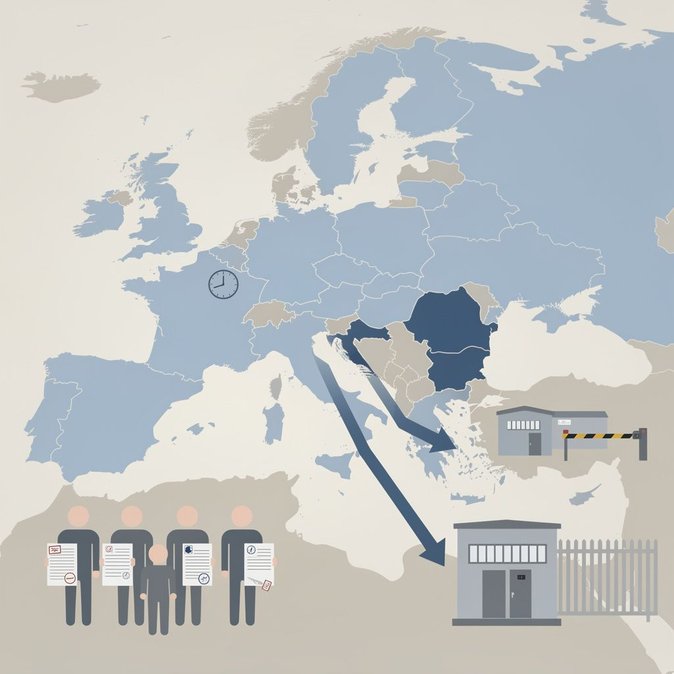
European Union interior ministers on 17 November endorsed a new policy framework that will allow member states to establish so-called “return hubs” in partner countries outside the bloc. Under the scheme, non-EU nationals who have been denied asylum will be transferred to purpose-built centres where their cases can be processed and repatriation organised. Austria—along with Germany and Italy—pressed hard for a timetable, arguing that the Western Balkan route and pressure at the Hungarian and Slovenian borders require faster removals. For Vienna, the hubs are presented as the missing link in a broader deterrence strategy that already includes six-month extensions of internal border controls and stepped-up police patrols on freight corridors. Interior Minister Gerhard Karner told reporters the hubs would “close the gap between a refusal decision and an effective departure,” noting that nearly 9 000 people ordered to leave Austria remained in limbo at the end of October. Legally, the hubs rely on Article 25a of the EU Returns Directive, allowing processing in safe third countries provided fundamental-rights monitoring is in place. Austrian diplomats signalled that Albania and North Macedonia are being explored as pilot locations; both have readmission agreements with Vienna and receive Austrian development funds. Business-travel planners should expect tighter scrutiny of third-country nationals transiting Austria: carriers will face larger advance-passenger-information fines from January, and corporate mobility teams may need to build extra time into itineraries while border guards familiarise themselves with the new rules. Multinationals that rotate staff through Vienna headquarters have already begun internal briefings on the documentation employees should carry when crossing Schengen land borders.
Source: Associated Press