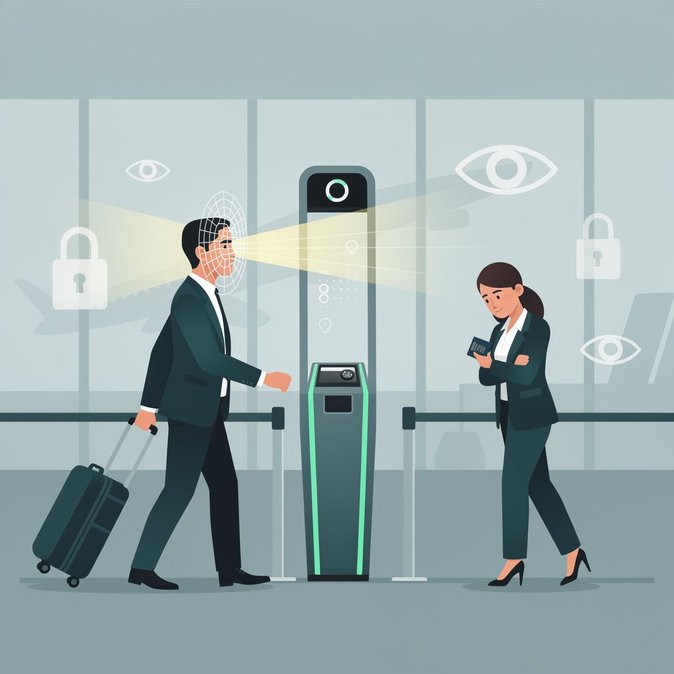
A fresh CNN Brasil report, summarised by consumer-rights site Meu Passageiro on 18 November, has reignited public scrutiny over Brazil’s roll-out of biometric boarding gates. Specialists in data protection warn that facial-recognition systems now being piloted at major hubs could misidentify travellers of certain ethnicities and lack clear retention-period rules for captured images. The Ministry of Portos e Aeroportos unveiled its national biometric policy in August, promising compliance with Brazil’s General Data Protection Law (LGPD) and alternative procedures for passengers unable or unwilling to provide biometric data. Yet, as implementation moves from limited trials to broader deployment ahead of the 2027 Pan-American Games, critics say there is little transparency about who processes the data and whether third-party vendors can re-use it for marketing or law-enforcement purposes. For global-mobility teams the issue is more than academic: incorrect matches can trigger secondary screening that causes missed connections, while corporate travellers may balk at mandatory facial scans. Companies should brief employees on their right to request manual ID checks, document any biometric errors that affect duty of care, and ensure their travel-risk platforms log incidents. Airports point to efficiency gains: pilot programmes at São Paulo/Guarulhos shortened average boarding times by 20 percent. Still, until a final implementing ordinance is published—expected in early 2027—use of the gates will remain ‘opt-in’. Multinationals with privacy-sensitive profiles, such as pharmaceutical firms handling clinical data, may decide to direct travellers to staffed desks even if that means longer queues.
Source: Meu Passageiro