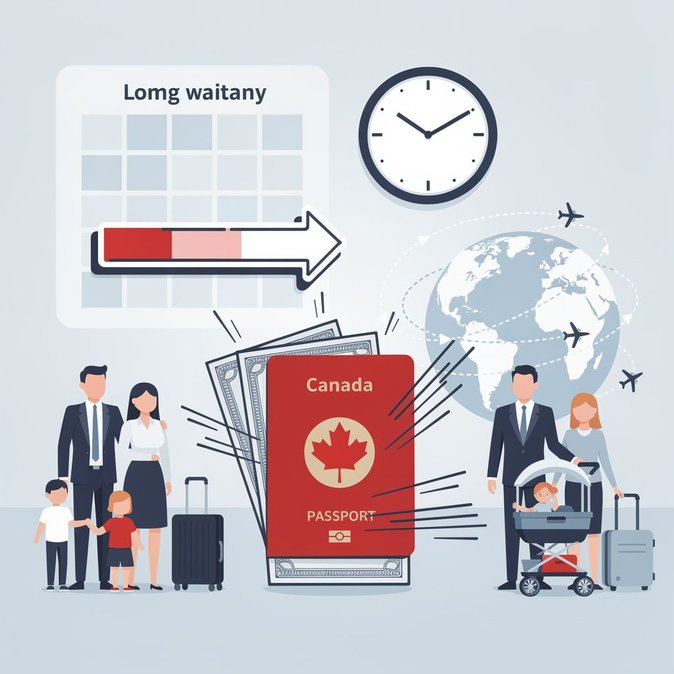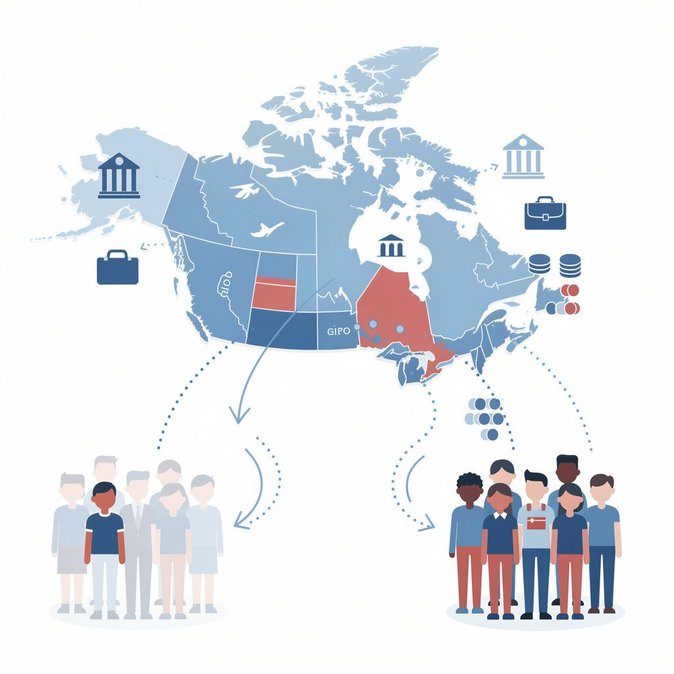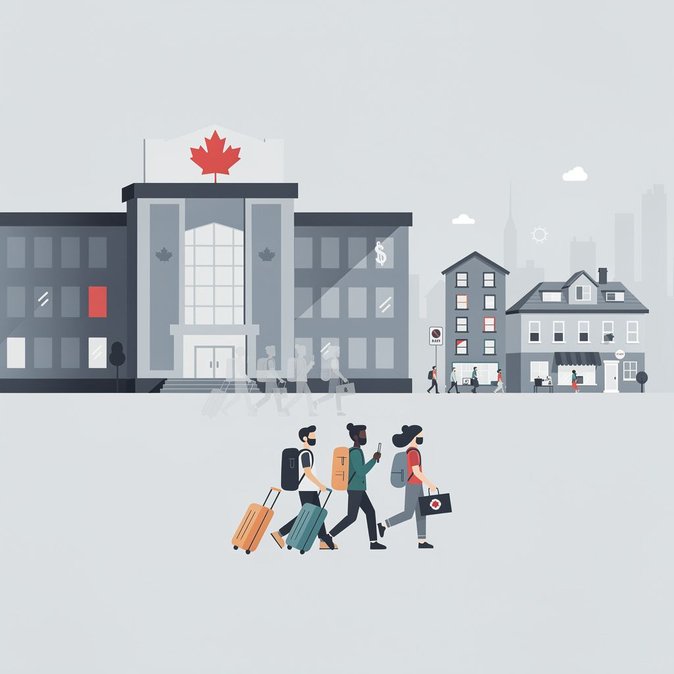
Fresh IRCC monthly statistics released on 18 November reveal that Canada welcomed just 17,900 new international students in September 2026, down 52 percent from August. The drop coincides with the second academic intake under Ottawa’s national student cap, suggesting the policy is rapidly reshaping arrival patterns. Historically, September accounts for nearly half of annual student arrivals, making the sharp decline particularly striking. Analysts at Desjardins Economics attribute part of the fall to delayed visa processing caused by the switch to provincial attestation letters (PALs), which became mandatory in July for most undergraduate entrants. Processing data show average study-permit timelines lengthened from seven to nine weeks between June and September. Colleges that pivoted early to recruit in-country transfer students are faring better. Seneca Polytechnic said its September intake met 88 percent of target thanks to aggressive domestic marketing and articulation agreements with private language schools. Institutions that remained heavily reliant on overseas recruitment—particularly career colleges in the Greater Toronto Area—report vacancy rates of up to 30 percent in diploma programs. The decline also has downstream effects on labour supply. Restaurants in university towns accustomed to tapping student workforces are advertising signing bonuses heading into the holiday season. Conversely, rental markets in Waterloo and Kingston have seen a temporary softening, with average room rents dipping 4 percent from last year, according to Urbanation. IRCC cautions against reading too much into a single month, noting that October figures could rebound once PAL processing stabilises. Nevertheless, September’s numbers underscore how quickly policy levers can influence Canada’s international-education ecosystem.
Source: IRCC.com