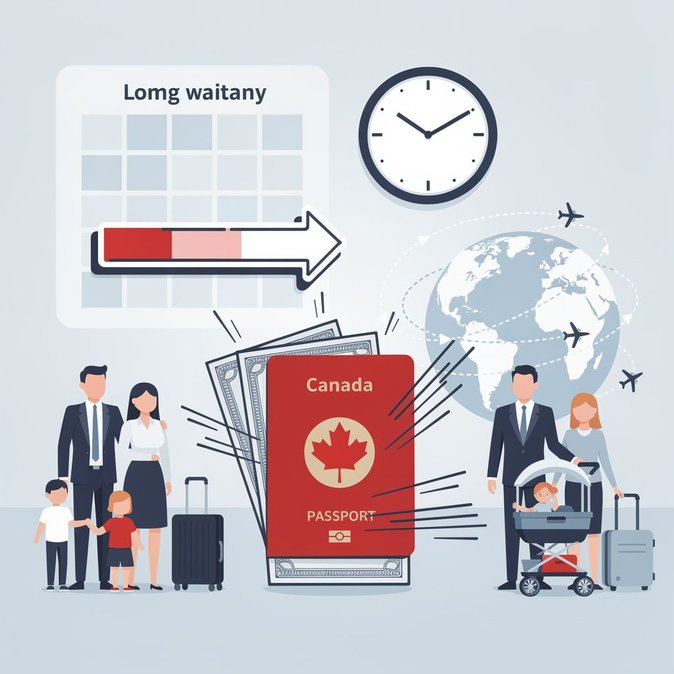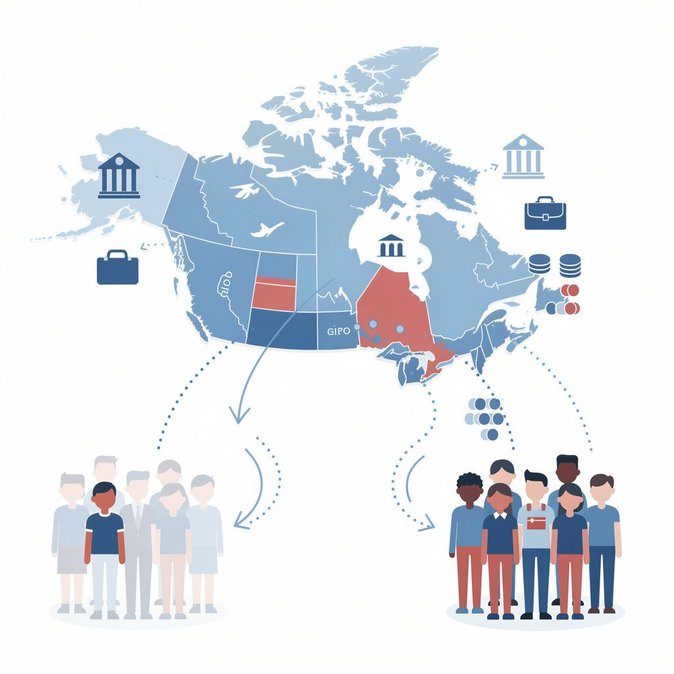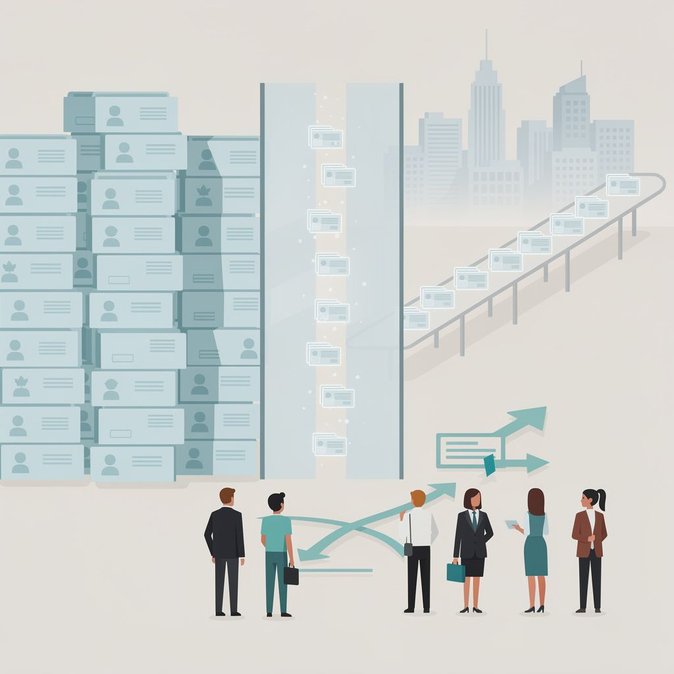
A fresh analysis by The Visa Wire of IRCC’s 17 November inventory update shows 1,508,675 applications remained in the system as of 30 September, with new temporary-residence files making up almost a quarter of the total. The data reveal that 42 percent of pending family-class cases are not stalled by processing but by the annual admissions cap, underscoring the gap between demand and Levels-Plan targets. For mobility professionals, the numbers highlight where bottlenecks are most acute. Economic permanent-residence files stand at roughly 250,000, split between Express Entry and provincial nominees; 22 percent of those await space under annual quotas. Protection files (mainly asylum) number 288,540, with nearly half paused for quota room—figures that feed into border-management debates about safe-third-country returns and inland processing capacity. While inventories are not backlogs per se, large queues inflate published processing-time estimates and complicate workforce planning for employers trying to convert temporary staff to permanent residency. IRCC’s upcoming 2027–29 Immigration Levels Plan promises to smooth admissions over the three-year cycle, but analysts warn that without automation gains the department could struggle to keep pace with continued high intake. Advisers recommend that businesses use provincial nominee or employer-driven pilots where available, since these streams often carry separate quotas and faster service standards. Families may face little choice but to plan around delays or explore temporary resident permits to join spouses sooner.
Source: The Visa Wire