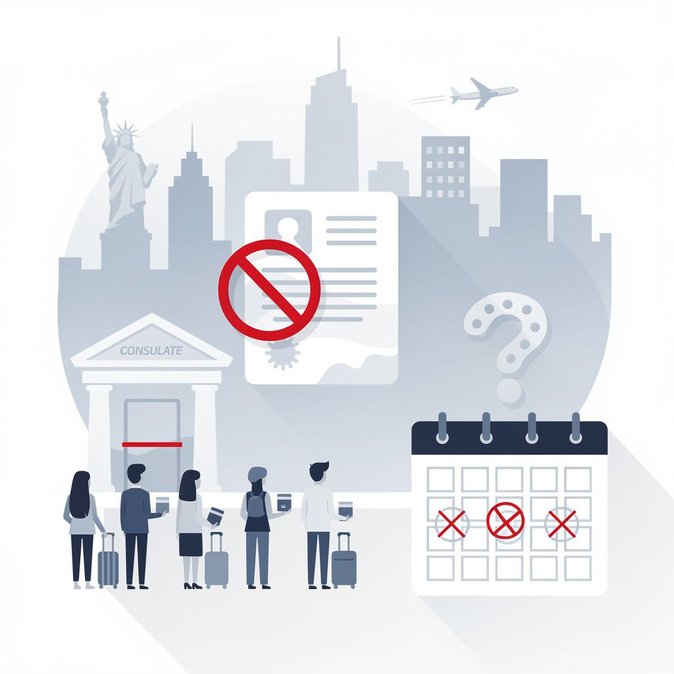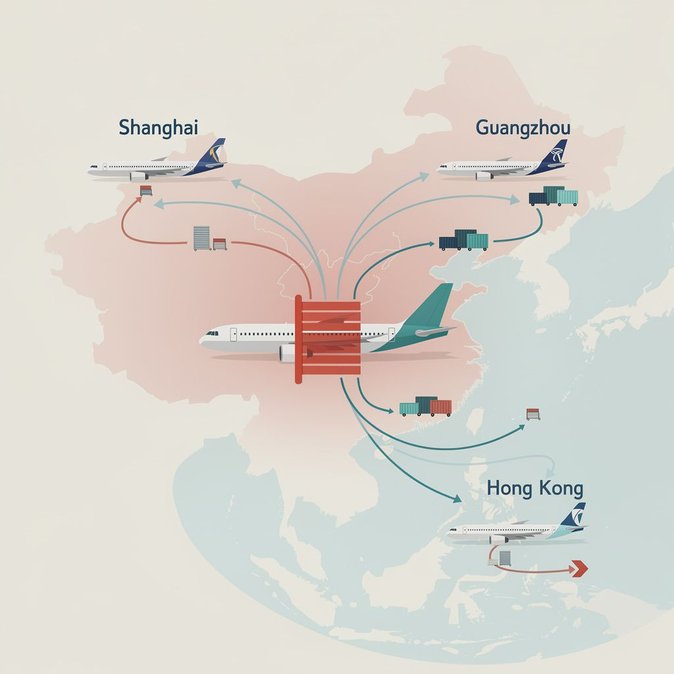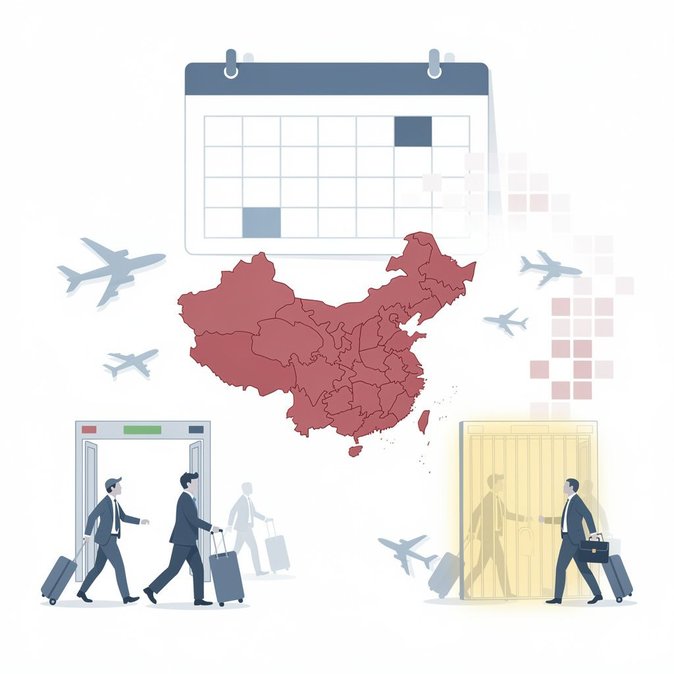
With barely six weeks left before China’s landmark unilateral visa-free scheme expires on 31 December, the Foreign Ministry said on 17 November that it is still “seriously studying the relevant policy,” offering no assurance to the 48 countries whose citizens currently enjoy 30-day visa-free entry for business, tourism and family visits. The comment, delivered by spokesperson Guo Jiakun at a regular briefing, was reported by The Herald Business in Seoul and has rattled travel planners scrambling to finalise 2027 budgets. Introduced in November 2023 with a handful of European markets, the waiver list ballooned through successive diplomatic overtures and now covers 50 jurisdictions (Brunei’s perpetual waiver and Russia’s 2027 expiry sit outside the 48-country batch). The programme has been widely credited with accelerating the rebound of inbound MICE and corporate travel—visitor arrivals from listed countries were up 42 percent year-on-year in Q3 2026, according to National Immigration Administration data. Should the waiver lapse, travellers would revert to the standard M- or F-visa process, adding roughly US$80 in consular fees and up to two weeks of lead time. Multinationals that relocated APAC sales conferences to Shanghai in early January, assuming the waiver would roll, now face potential visa bottlenecks in home markets over the Christmas shutdown. Airlines likewise warn of booking volatility if clarity is not provided by early December. Policy analysts note that Beijing could announce a short-term extension at any time—in 2025, a similar midnight-expiry waiver was prolonged by three months with just ten days’ notice. Nevertheless, companies are advised to launch contingency visa applications for critical staff and to monitor embassy channels daily for updates.
Source: The Herald Business