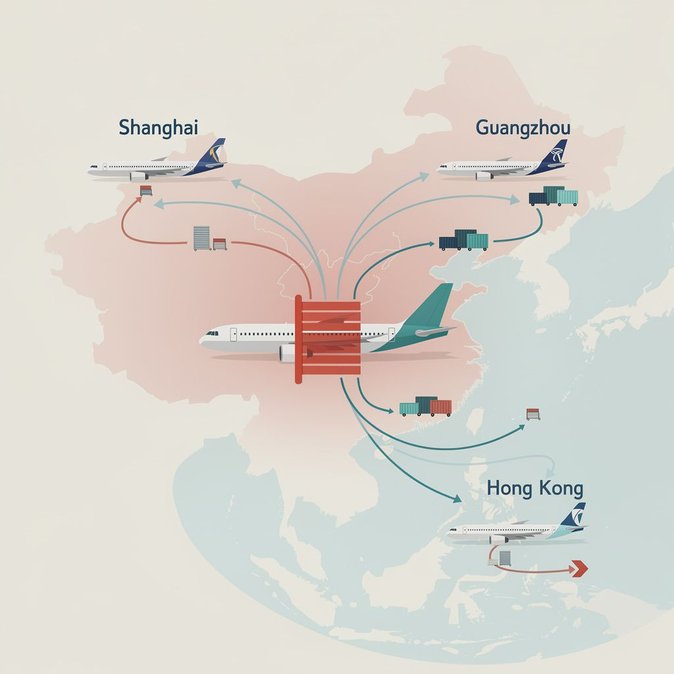
Just as retailers gear up for the year-end peak, Shenzhen authorities have ordered all international passenger flights to operate without belly-hold cargo until 18:00 on 20 November. The edict, outlined in a customer advisory from logistics giant Toll Group, is part of the security lockdown for the APEC summit but has immediate commercial consequences: roughly 40 per cent of Shenzhen’s international air-freight normally travels beneath passenger seats. Forwarders are already reporting spot-rate spikes of 15-20 per cent on Shanghai–Europe lanes as exporters divert urgent consignments north. Dangerous-goods trucks are banned from Shenzhen highways during the same window, compounding challenges for electronics manufacturers that rely on just-in-time battery deliveries. Shenzhen’s domestic flight schedule has also been trimmed as the airport reallocates stands and air-traffic slots to diplomatic movements. Companies shipping high-value components or temperature-controlled pharmaceuticals should explore contingency routings via Guangzhou Baiyun, Hong Kong Cargo Terminal or the newly expanded Zhuhai Jinwan freight zone. Longer-term contracts that lock in uplift allocations can offer protection against ad-hoc embargoes—a strategy many semiconductor majors adopted after similar curbs during the 2023 Universiade in Chengdu. While the ban is temporary, analysts warn that large-scale political events are increasingly triggering cargo embargoes at Chinese hubs. Supply-chain risk mapping should therefore track the domestic political calendar alongside traditional weather and demand indicators.
Source: Toll Group Customer Advisory