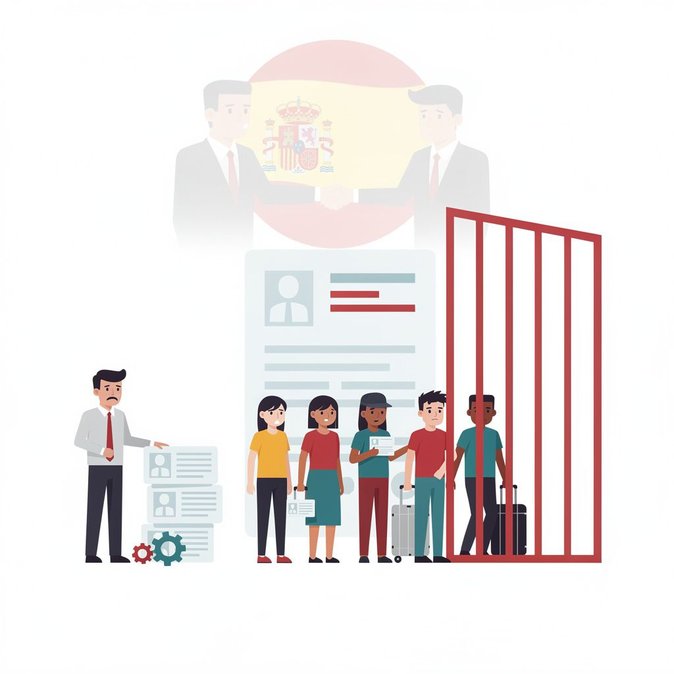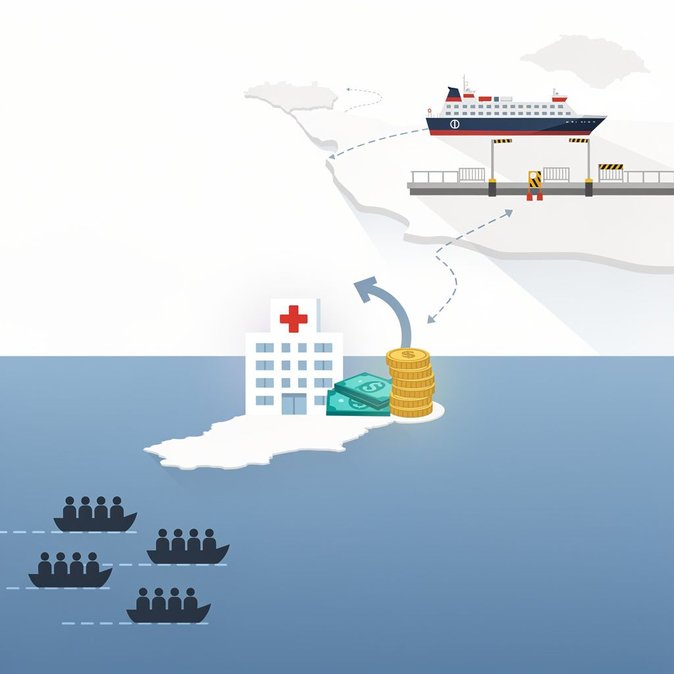
Spain’s Council of Ministers on Tuesday, 17 November, approved an extraordinary €5 million package to shore up the Canary Islands’ healthcare system after an unprecedented wave of migrant boat arrivals to the tiny island of El Hierro. According to the cabinet decision, €3 million will be transferred directly to the Canary Islands regional government to cover overtime, pharmaceuticals and staff reinforcement for the Servicio Canario de la Salud, while €2 million will go to the island’s Cabildo to fund emergency social services and temporary accommodation. The fresh funds come on top of the €15.18 million emergency allocation announced the previous week, bringing the total state outlay for the autumn migration surge to more than €20 million. Interior Ministry figures show that over 11,000 people reached El Hierro in the first half of November—nearly matching the total that arrived across all the Canary Islands in 2025. Local hospitals and the island’s only health centre have reported bed-occupancy rates above 150 percent, forcing transfers of patients to Tenerife and Gran Canaria. Madrid hopes the money will buy time for infrastructure upgrades, including an emergency field hospital (authorised separately on 18 November) and the chartering of additional inter-island ferries to move new arrivals off El Hierro within 72 hours. The decree also instructs the Ministries of Inclusion and Interior to accelerate relocations to mainland reception centres, a measure welcomed by regional president Fernando Clavijo but deemed “still insufficient” by NGOs such as CEAR, which warn that winter crossings are becoming deadlier. For global-mobility managers, the episode highlights how sudden migration flows can strain local infrastructure and spark new compliance rules. Companies sending staff to the Canaries—whether for renewable-energy projects or tourism infrastructure—should prepare for possible accommodation shortages, heightened security checks at ports and airports, and delays in obtaining local police registration appointments. The decree also signals that Spain will continue to treat migration management as a national-security issue, a factor multinationals should watch ahead of the 29 November general election. In the longer term, the government says it will press the EU for a solidarity-relocation mechanism and more FRONTEX assets in Atlantic waters. If secured, those measures could ease pressure on Spain’s outermost region—but they would also mean more frequent identity checks and possible re-routing of business flights while patrol operations ramp up.
Source: El País
How VisaHQ can help
VisaHQ simplifies the visa application process for individuals and businesses. Check current travel requirements, prepare the required documents and manage your application online through the VisaHQ Spain portal.More From Spain
View all
Rail-traffic controllers call off 19 November Adif strike after government deal; Renfe drivers’ walk-out on 23 November still on
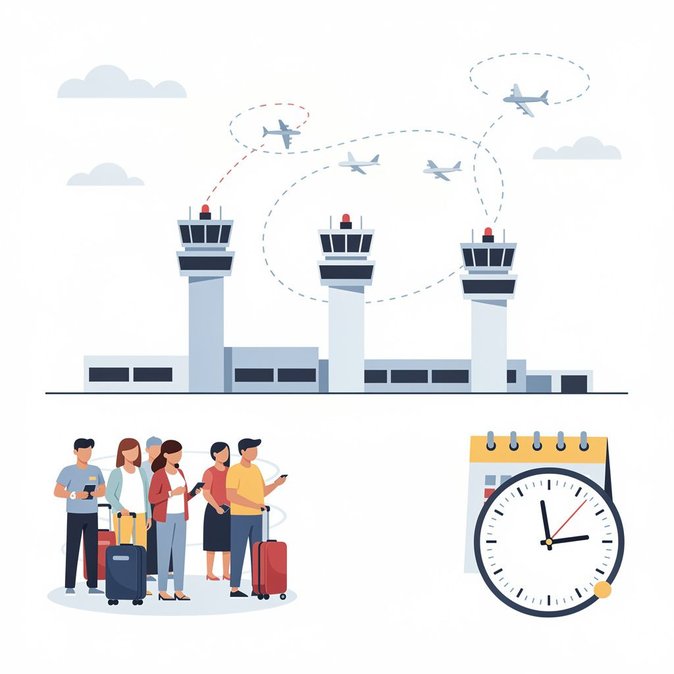
Minor air-traffic-control tower strike continues at seven Spanish airports, but impact remains limited