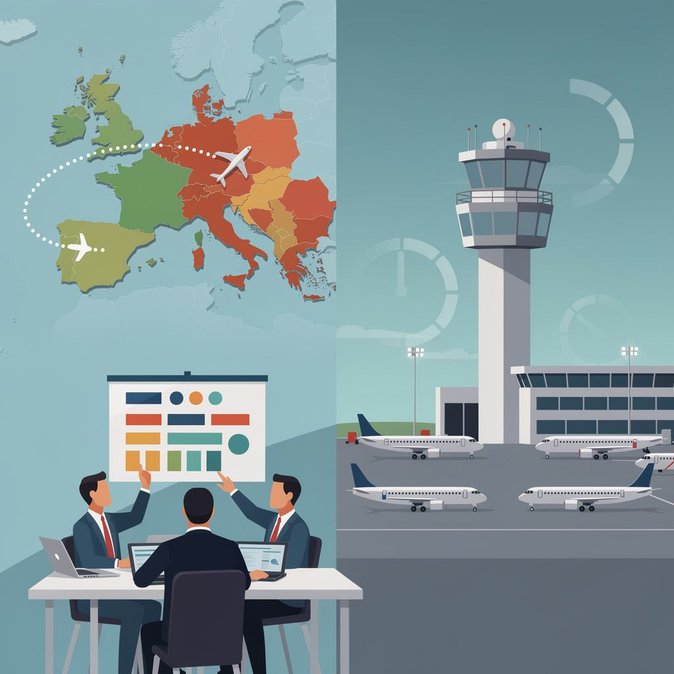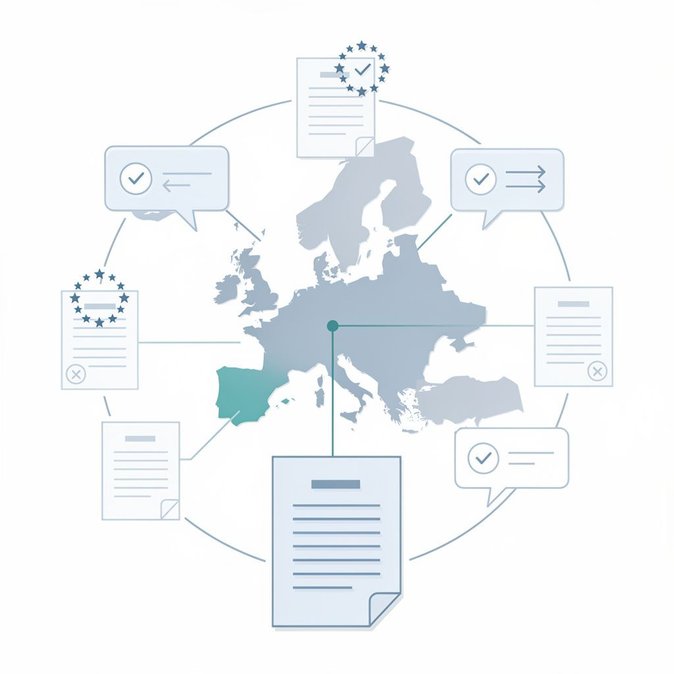
Social-media posts claiming that Ireland ‘refused’ to sign a 22-nation EU letter calling for tougher external borders went viral this week, prompting TheJournal.ie’s FactCheck unit to investigate. The open letter, drafted by Italy and Denmark in August following the Ceuta border surge, was addressed to Ireland’s Taoiseach Micheál Martin because Ireland currently holds the rotating EU Presidency. As common diplomatic practice, the Presidency does not co-sign correspondence addressed to itself. The fact-check, published 18 November, confirms that Ireland’s non-signature reflects protocol rather than policy. In fact, Ireland convened an extraordinary Justice and Home Affairs Council on 4 August at which ministers agreed to bolster external-border surveillance and accelerate asylum processing. Officials say Ireland also chaired follow-up ambassador-level talks and advanced a ‘toolbox’ of rapid-reaction measures. Why does this matter for global-mobility teams? The episode illustrates how misinformation can distort perceptions of a host country’s migration stance, influencing assignee sentiment and even shareholder views. It also underscores Ireland’s pivotal role as honest broker in EU migration files during its Presidency, a role that could shape future directives on skills visas, Schengen reform and talent attraction. Employers with mobile workforces should monitor official EU communiqués rather than social-media commentary when assessing policy risk. With elections brewing in several member states, false narratives around migration are likely to intensify—potentially affecting everything from business-traveller entry rules to family-reunification policies.
Source: TheJournal.ie