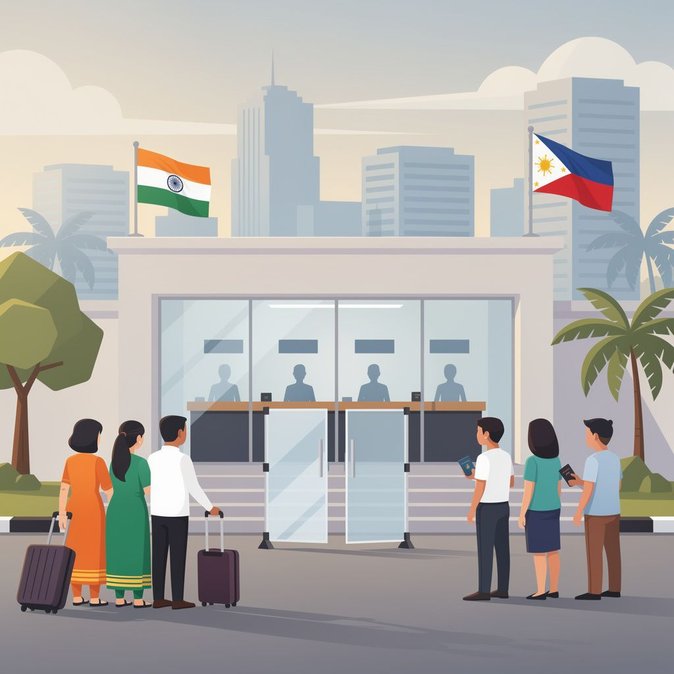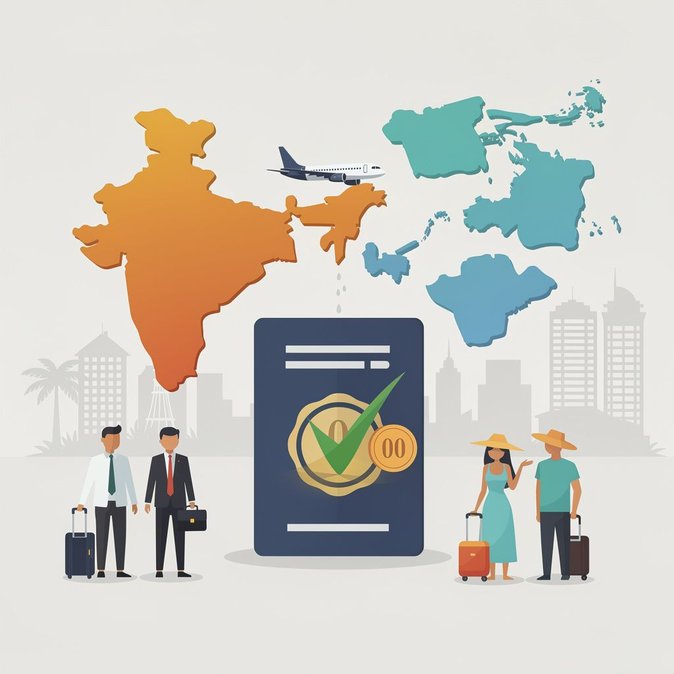
India used this week’s ASEAN-India Summit in Manila to unveil one of its most eye-catching mobility initiatives in years: a proposal to waive the government fee for e-tourist visas issued to nationals of every ASEAN member state. Prime Minister Narendra Modi told leaders on 17 November that the zero-fee regime would “deepen people-to-people links and accelerate two-way business flows” once the mechanics are finalised. Under the plan, visitors from Brunei, Cambodia, Indonesia, Laos, Malaysia, Myanmar, the Philippines, Singapore, Thailand, Timor-Leste and Vietnam would still apply through the regular e-Visa portal but would pay no government processing charge for the 30-day, double-entry e-Tourist Visa. Officials said a formal notification could come as early as December, after inter-ministerial costings are complete. The move is designed to claw back short-haul traffic that India lost to regional competitors when pandemic-era travel curbs pushed up costs. Pre-COVID, ASEAN tourists accounted for roughly nine per cent of India’s inbound arrivals; by 2025 the share had slid below five per cent. With air connectivity rebounding and the rupee relatively weak against ASEAN currencies, tourism bodies expect the price cut to be a powerful incentive – particularly for weekend city-break traffic and meetings-plus-leisure trips that hinge on razor-thin budgets. For corporate mobility managers the announcement matters well beyond leisure travel. The e-Tourist Visa is routinely used for short site visits, partner meetings and training sessions that do not amount to gainful employment under Indian rules. A fee waiver could trim INR 2,500–4,500 (USD 30–55) from every ASEAN employee’s travel bill, savings that multiply quickly for regional project teams. Airlines and destination-marketing organisations reacted positively but urged clarity on the start date and on whether the waiver will cover the costlier e-Business Visa. The Ministry of Home Affairs has hinted that other regions may be considered once the ASEAN trial is evaluated in mid-2027.
Source: VnExpress International