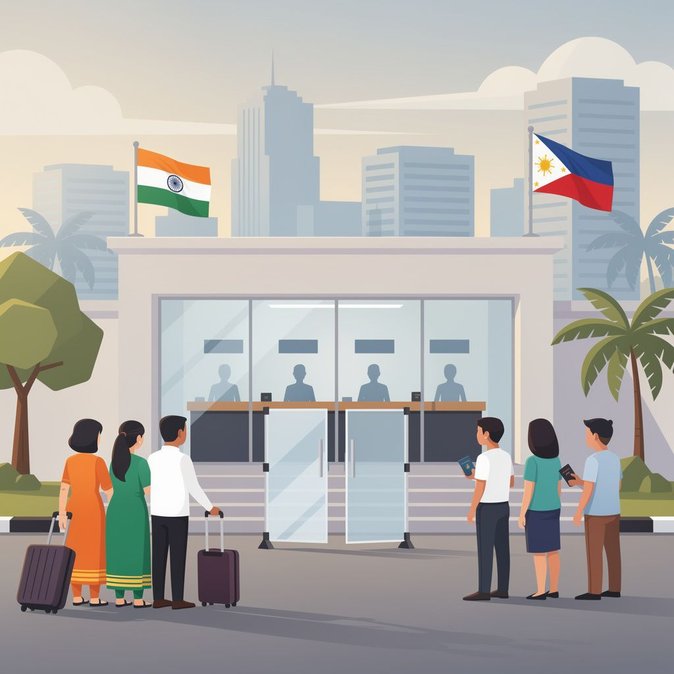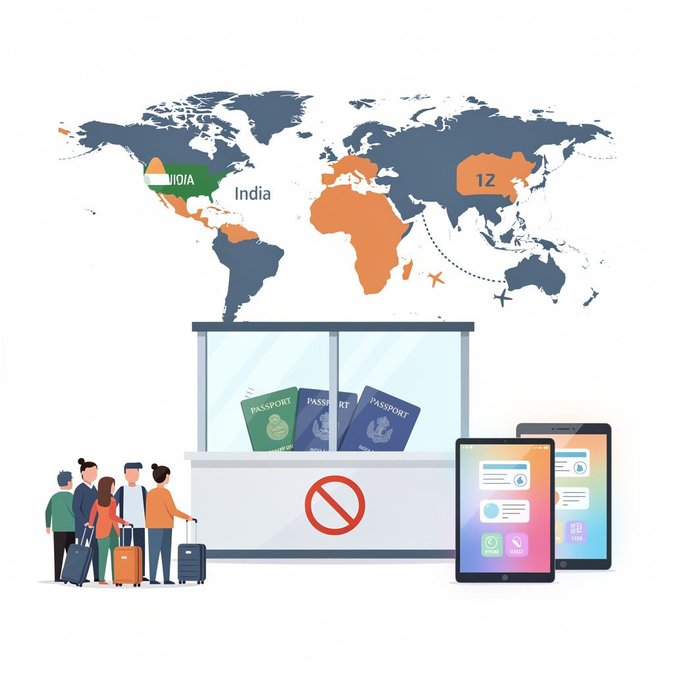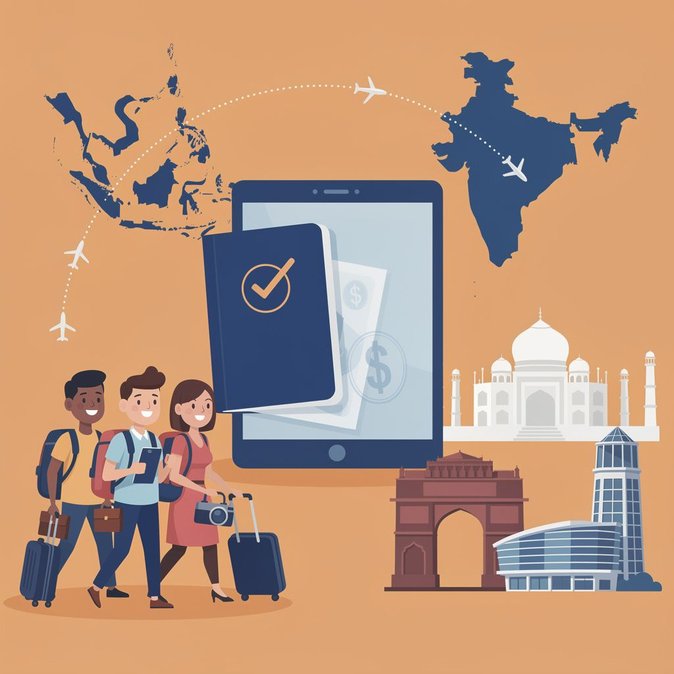
At the 23rd ASEAN-India Summit in Manila on 17 November, Prime Minister Narendra Modi startled the region’s travel industry by announcing that India intends to waive the government fee on e-Tourist visas for citizens of all 11 ASEAN member states. The initiative was listed among the official outcomes of the summit and was confirmed by India’s Ministry of External Affairs in its Manila read-out released overnight. Although the government has not yet published an implementation date, officials said the policy framework will be finalised “in the coming weeks” in consultation with the Ministry of Home Affairs and the Bureau of Immigration. The move builds on India’s “Act East” policy and follows earlier bilateral fee waivers for the Philippines (August 2025) and Thailand (October 2026). Travel trade groups estimate that ASEAN source markets accounted for 18 per cent of foreign tourist arrivals in 2019, but only 11 per cent in 2025 as pandemic after-effects and high visa fees deterred budget and short-haul travellers. Removing the ₹2,500 (≈ US $30) e-visa fee could save a family of four almost US $120—money that industry advocates say will be spent instead on local transport, guides and restaurants. For Indian businesses the stakes are equally high. Easier entry for Southeast Asian visitors is expected to accelerate MICE (meetings, incentives, conferences, exhibitions) recovery in cities such as Hyderabad, Bengaluru and Kochi. Tour operators specialising in Buddhist circuits, Ayurveda and medical tourism anticipate double-digit growth once the waiver takes effect, while hotel chains have begun re-forecasting occupancy for the 2027 high season. Aviation analysts point to IndiGo’s and Air India’s rapid capacity additions on Singapore, Kuala Lumpur and Ho Chi Minh City routes as evidence that airlines are already pricing in higher demand. Implementation details remain crucial. Industry associations are pressing for a clear start date, real-time application tracking and multilingual FAQs to avoid the confusion that accompanied earlier e-visa roll-outs. Officials have hinted that travellers may need to apply within a promotional window—possibly 1 January to 31 December 2027—to qualify for the free permit, after which regular fees could be reinstated pending review. A parallel demand is for reciprocal facilitation from ASEAN partners, many of whom already grant Indians either visa-free entry (Thailand, Vietnam) or visa-on-arrival (Indonesia, Laos). Nevertheless, the announcement is being hailed as India’s boldest tourism-sector reform since the 2014 launch of the e-Visa itself. If executed smoothly, the waiver could restore Southeast Asia’s pre-Covid growth trajectory, help India reach its target of 20 million foreign arrivals by 2030, and generate thousands of jobs across hospitality, transport and retail. Corporate mobility managers should start alerting executives who organise regional conferences or incentive trips that India is set to become significantly cheaper—and administratively simpler—for ASEAN participants.
Source: Gulf News / PIB India