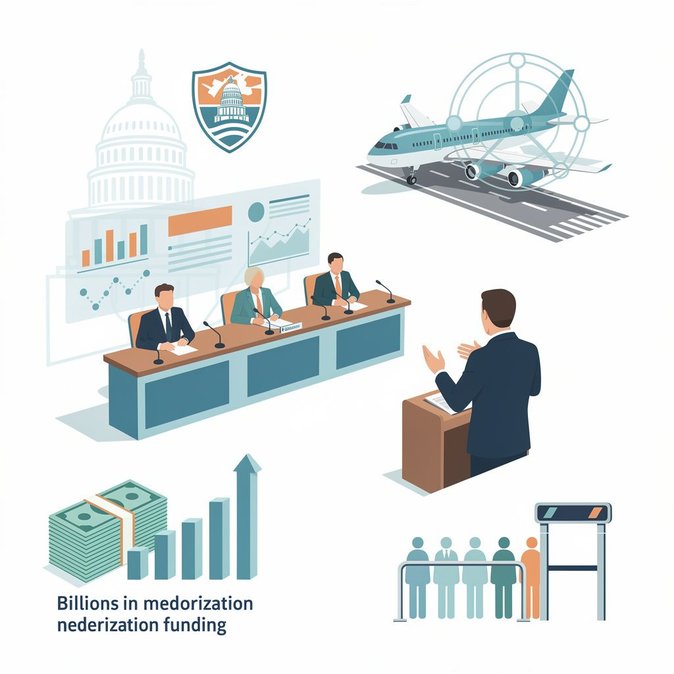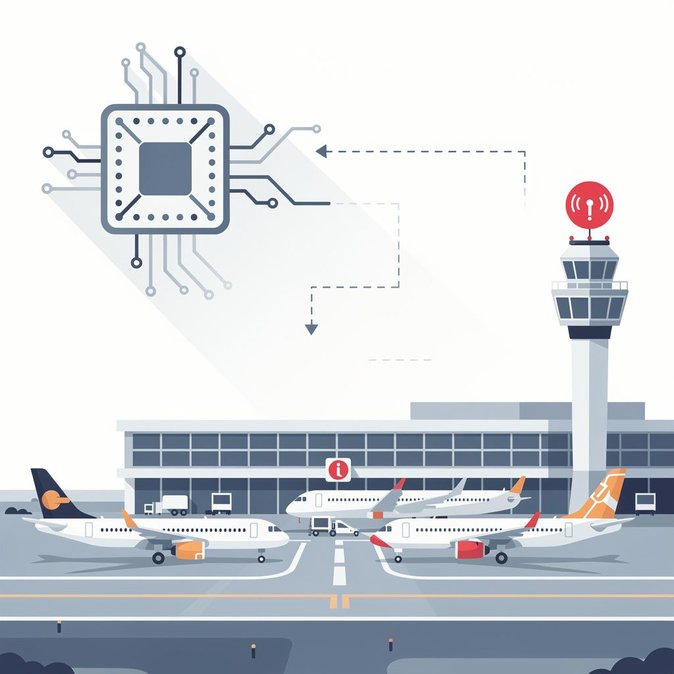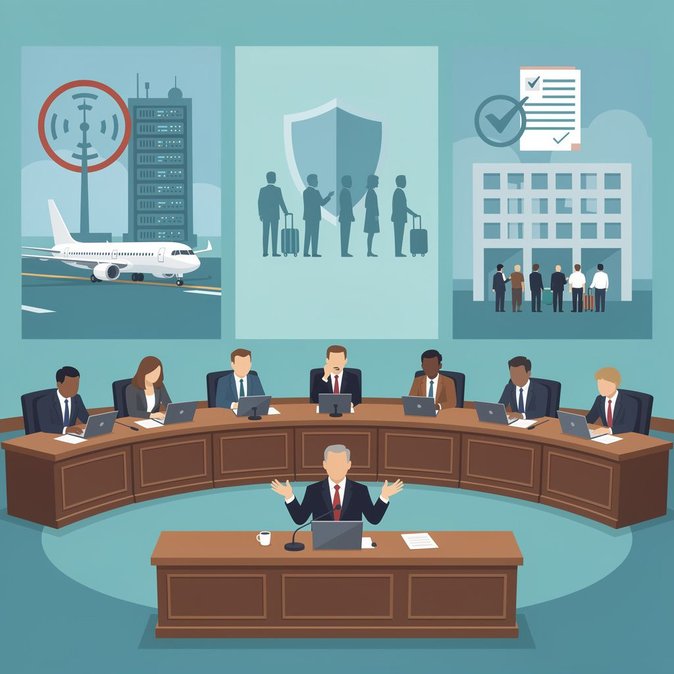
Homeland Security Secretary Markwayne Mullin faced a bipartisan barrage of questions on Capitol Hill on November 18 about last week’s eight-hour Federal Aviation Administration ground stop that stranded hundreds of thousands of travelers across the United States. Lawmakers wanted to know why the NOTAM system lacked redundancies and how DHS coordinated with airlines to clear backlogs that spilled into the workweek. Committee members also seized on Mullin’s personal decision to use a government jet to attend the LSU–Texas football game just hours after commercial flights resumed, calling it tone-deaf while families slept on airport floors. Mullin insisted the trip was official business and that he reimbursed costs, but several representatives pressed for travel-voucher data and security justifications. Beyond aviation, Democrats hammered the secretary over an aggressive interior-enforcement surge that has seen workplace raids triple in the last year and asylum grant rates fall to record lows. Mullin defended the policies as “restoring operational control,” but acknowledged that ICE’s rapid-removal dockets have strained immigration courts and detention capacity. For corporate travel and mobility teams, the hearing offered two takeaways: first, expect continued congressional pressure to modernize air-traffic IT—funding bills could mandate industry cost-sharing or new passenger refund rules; second, employers should anticipate more I-9 audits and site visits as enforcement resources shift from the border to worksites. Building compliance dashboards and reviewing remote-verification files created during the pandemic should be priorities before 2027.
Source: Associated Press