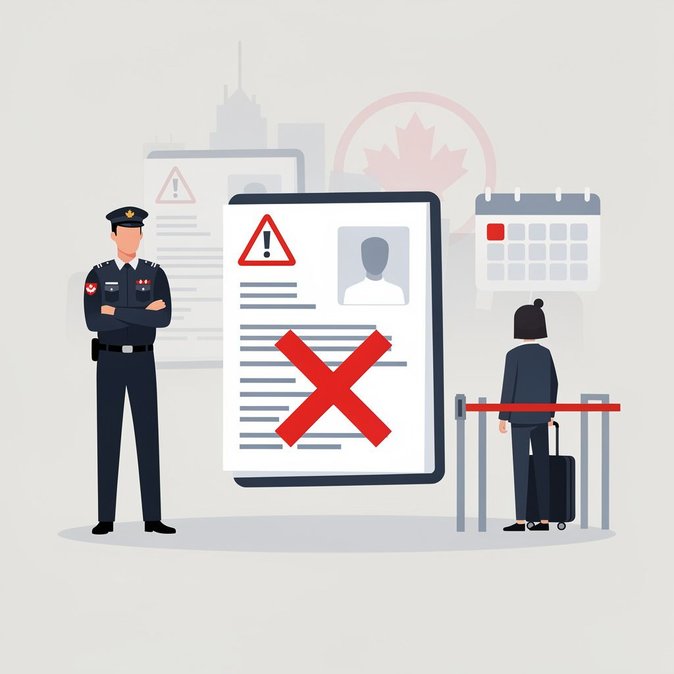
In a blunt social-media advisory issued on 19 November, Immigration, Refugees and Citizenship Canada reminded would-be immigrants and visitors that submitting fake, forged or altered documents is ‘immigration fraud’ and carries an automatic minimum penalty: refusal plus a five-year ban on entering Canada. The Department listed nine document types that frequently trip up applicants—including bank statements, employment letters, police certificates and language-test results—and stressed that misrepresentation can also erase existing temporary or permanent status. The notice comes as IRCC expands use of advanced analytics to cross-check application data against foreign tax, education and security databases. For global mobility teams the message is clear: intensify document due-diligence processes, especially when onboarding talent from high-fraud jurisdictions. Third-party verification of educational transcripts and employment history is becoming a necessity rather than an option; failure to spot inconsistencies could derail assignments and expose companies to reputational risk. The five-year bar applies to all Canadian immigration and visa categories, and is recorded permanently in IRCC’s Global Case Management System. That record is also visible to U.S. border officials under information-sharing agreements—potentially compounding travel restrictions throughout North America. Practically, employers should brief external counsel and relocation vendors on the advisory, update employee-checklists to include explicit fraud warnings, and budget extra time for document procurement. Applicants who discover an inadvertent error after submission should use IRCC’s web-form to flag the mistake immediately; proactive disclosure can mitigate penalties. IRCC signalled that additional anti-fraud campaigns will follow in early 2027 as part of the post-pandemic integrity rebuild, making compliance culture an urgent priority for international-talent programmes.