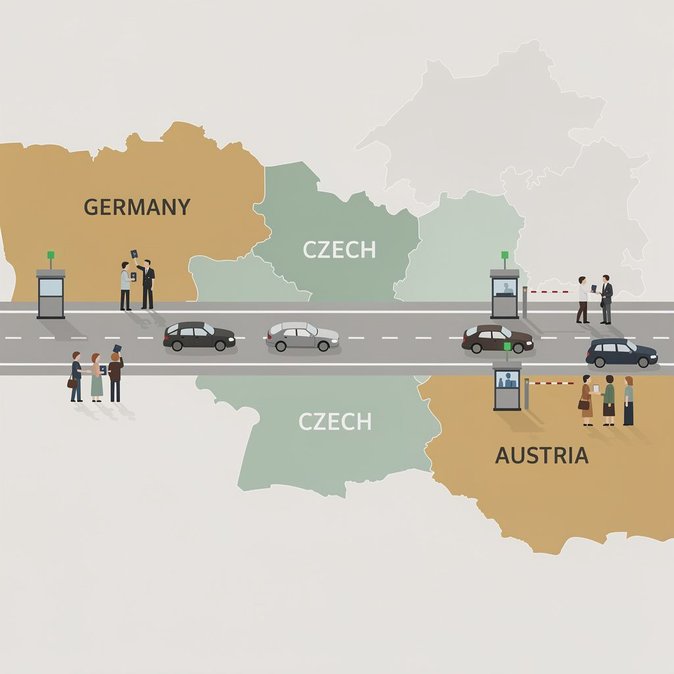
In a parallel diplomatic initiative, Czech Foreign Minister Petr Macinka revealed on 18 November that he has written to all 26 Schengen partners urging them not to issue visas to Russia’s under-18 women’s ice-hockey squad. Speaking to Czech Radio after an EU Foreign Affairs Council session, Macinka said counterparts from Germany, Sweden and Finland had already expressed support. The minister emphasised that a united front is essential because the Schengen system would otherwise allow visa-shopping that undermines Prague’s domestic ban. Macinka’s letter invokes Article 25 of the Schengen Visa Code, which allows states to consult one another and impose territorial restrictions “for reasons of national policy.” If another member state disregards the request and issues visas, Czechia can mark them “limited territorial validity” and render them unusable for entry into Czech territory. The Foreign Ministry has circulated draft language for such annotations to fellow EU consulates. The appeal highlights rising tension between EU free-movement principles and member-state sanctions regimes. Migration scholars note that the Schengen acquis contains built-in flexibility for public-policy exceptions, but coordination is cumbersome. For businesses, the uncertainty may complicate itinerary planning, especially for charter flights that route through intra-Schengen hubs. Travel-risk advisers recommend building additional layover buffers and obtaining written confirmations from airlines about acceptance policies for Russian passport holders. Beyond sport, the episode could set a precedent for concerted visa denials in other sectors. Czechia already restricts most categories of Russian business travel, and Macinka hinted that Prague will push for EU-level alignment on tech-conference participation and investor roadshows. Companies relying on Russian partners should prepare contingency plans, including remote participation options and alternate host countries. If EU consensus emerges, the initiative could accelerate Brussels’ work on a revised Common Visa Policy that explicitly references sanction-related entry bans—an area currently governed by a patchwork of national measures. Mobility managers should follow future Council communications for formal guidance.
Source: Anadolu Agency