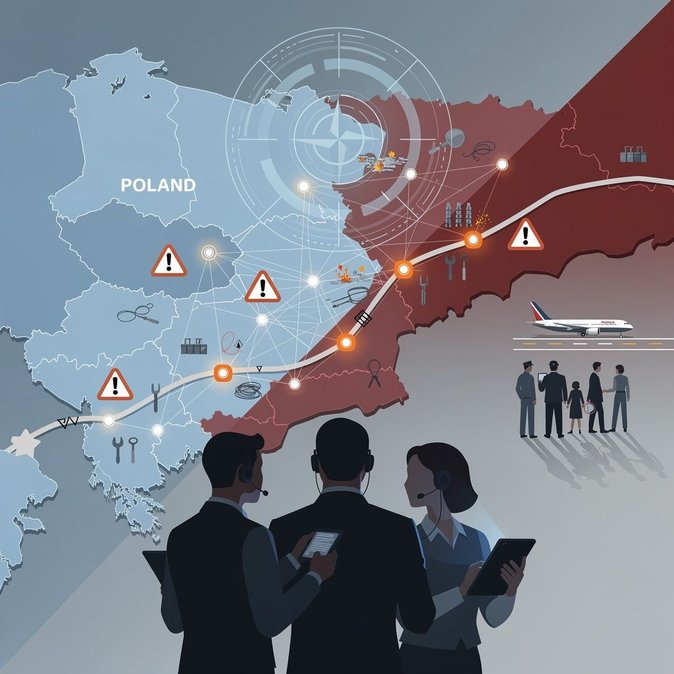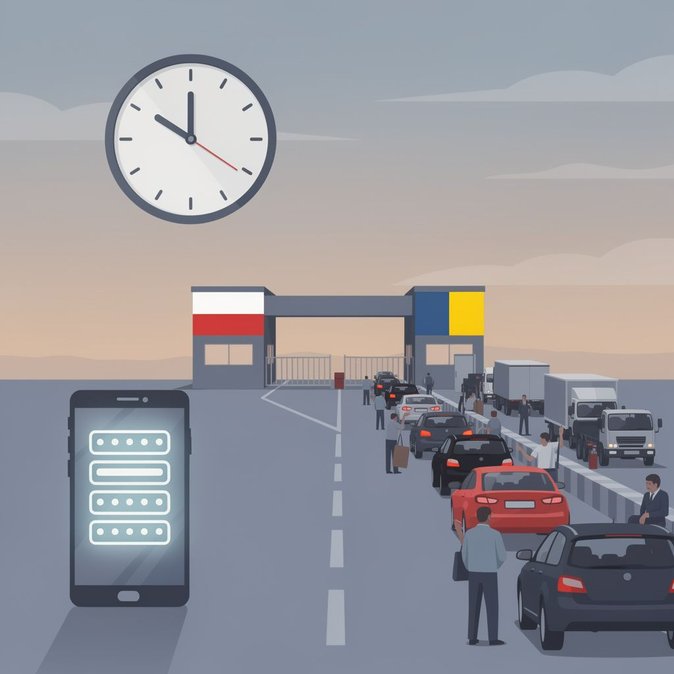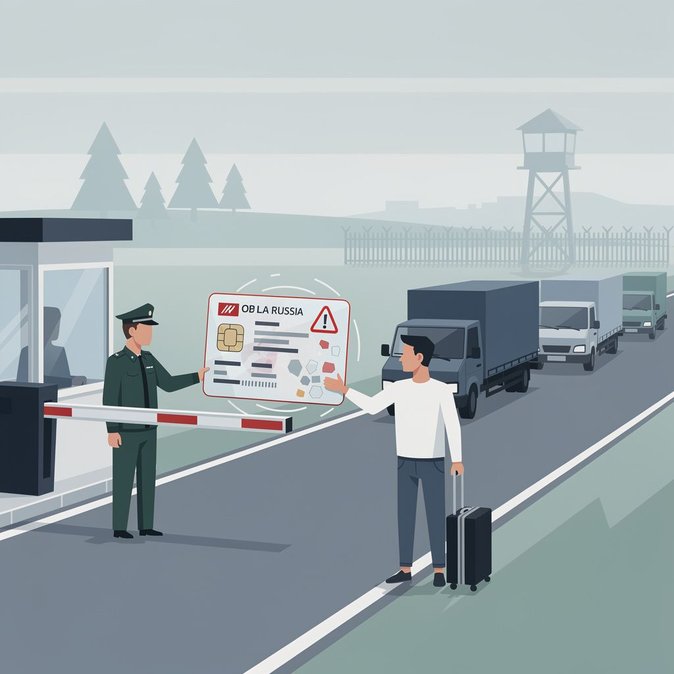
Polish Border Guard officers at the Grzechotki–Mamonovo II road crossing uncovered a forged Polish driving licence presented by a Russian citizen attempting to enter Poland at 13:51 on 19 November. The document failed UV and microprint checks performed with new scanners rolled out this autumn as part of the EU-funded BORDER TECH programme. The traveller was denied entry, fingerprinted and returned to Russian territory under the readmission procedure. An administrative fine of PLN 4,000 was imposed, and a five-year entry ban initiated. Border Guard headquarters stressed that forged EU driver licences are increasingly used by smugglers to obtain temporary Schengen visas or rent vehicles inside the bloc. Business-travel advisers say the incident is a reminder that even seemingly minor document irregularities can derail supply-chain schedules; truck companies using the corridor between Kaliningrad and the port of Gdańsk should ensure that drivers carry original, machine-readable licences and vehicle papers. Since October, all freight handlers entering Poland from Russia or Belarus are subject to 100 % secondary inspections if any driver documents trigger database alerts. The forged-ID trend is also prompting Polish consulates to tighten scrutiny of supporting documents in visa applications from Kaliningrad residents, lengthening processing times from three to seven weeks. Logistics planners should adjust lead times accordingly.