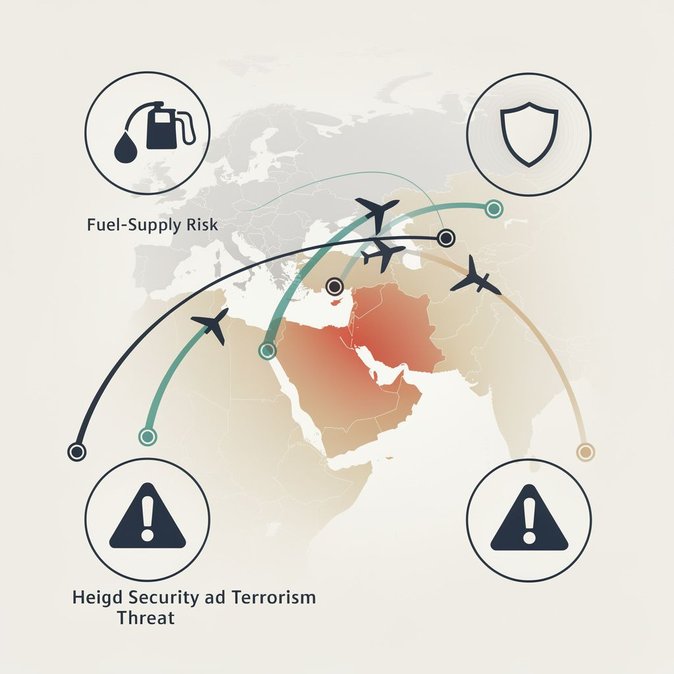
Australia’s Smartraveller service has updated its special bulletin on the conflict in the Middle East, dated 20 November 2026, lowering advice for Jordan, Oman, Qatar and the United Arab Emirates to “Level 2 – Exercise a high degree of caution” but keeping a raft of countries including Iran, Iraq, Lebanon and Saudi Arabia at “Level 4 – Do not travel”. The bulletin notes that although front-line hostilities have eased, military tensions and fuel-supply disruptions continue to ripple through global aviation. Airlines are re-routing to avoid sensitive airspace, pushing up costs and lengthening flight times on popular kangaroo-route sectors. DFAT cautions that sudden airspace closures could strand travellers far from the conflict zone and recommends checking insurance policies for war-risk exclusions. For Australian corporates with regional operations the main concern is logistics: cargo backlogs in Gulf hubs, higher insurance premiums and potential delays to fly-in-fly-out engineering crews. Travel managers should keep contingency routings via Singapore or Bangkok on file and monitor carrier notices for updated minimum-fuel-load restrictions. DFAT’s advice also highlights a heightened risk of terrorist reprisals against Israeli and US interests worldwide. Australian assignees have been advised to avoid large gatherings and iconic Western hotels in major cities across the region. The department urges Australians already in Level 4 countries to leave while commercial flights remain available and to maintain close contact with employers and family. Companies should make sure their traveller-tracking tools capture real-time location data and have emergency extraction contracts in place.
Source: DFAT Smartraveller