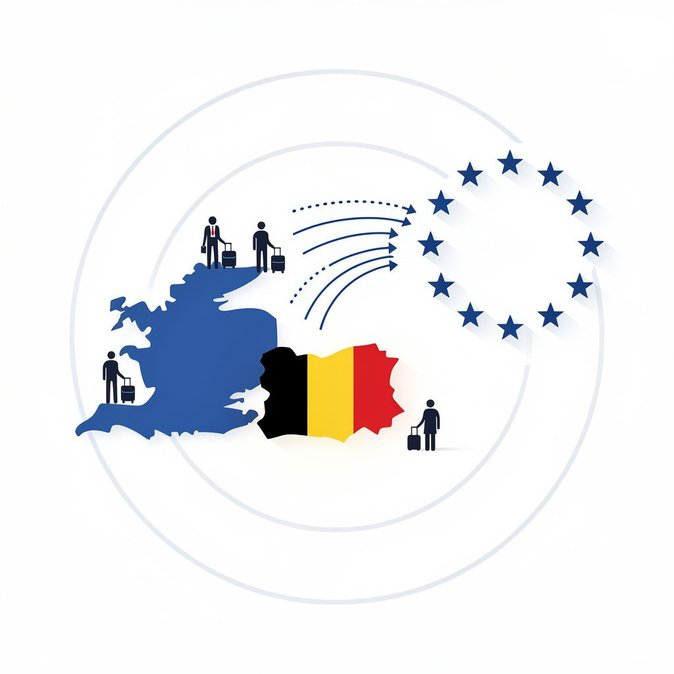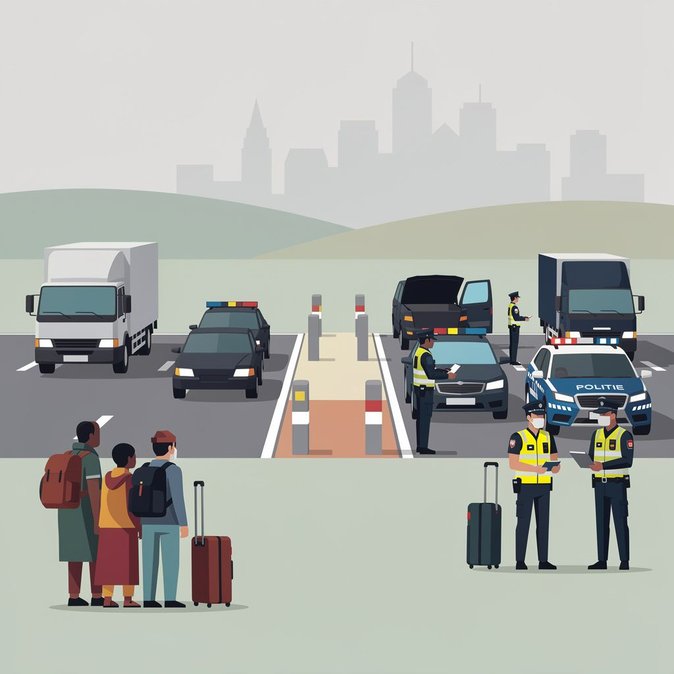
Belgian and French police carried out a coordinated border control operation—codenamed FUTURE—along the Franco-Belgian frontier on 17 November, deploying highway patrols, canine units, air support and immigration officers from both countries. The effort, disclosed on 20 November, focused on dismantling networks that move migrants in small boats toward the North Sea and U.K. routes, as well as cracking down on cross-border theft and drug trafficking. Command was run from the Police and Customs Cooperation Centre in Tournai, a permanent joint hub where Belgian and French officers share intelligence. According to the Federal Police in West Flanders and Hainaut, the exercise tested rapid data-sharing protocols ahead of the holiday travel peak, when irregular crossings typically rise. For corporate mobility managers the message is clear: expect more spot checks on roads connecting Lille, Kortrijk and coastal ports such as Dunkirk and Zeebrugge. Drivers of company vehicles should carry passports or ID cards as well as evidence of right-to-work if transporting temporary staff. Logistics firms shipping high-value goods across the border may face delays as trucks are diverted to secondary inspection lanes during future sweeps. The operation also signals closer security cooperation as France maintains temporary Schengen controls through April 2027 and Germany through March 2027—both include segments of the Belgian border. Businesses running “milk-run” just-in-time deliveries between plants in Flanders and northern France should build extra lead time into schedules.
Source: World Border Security Congress