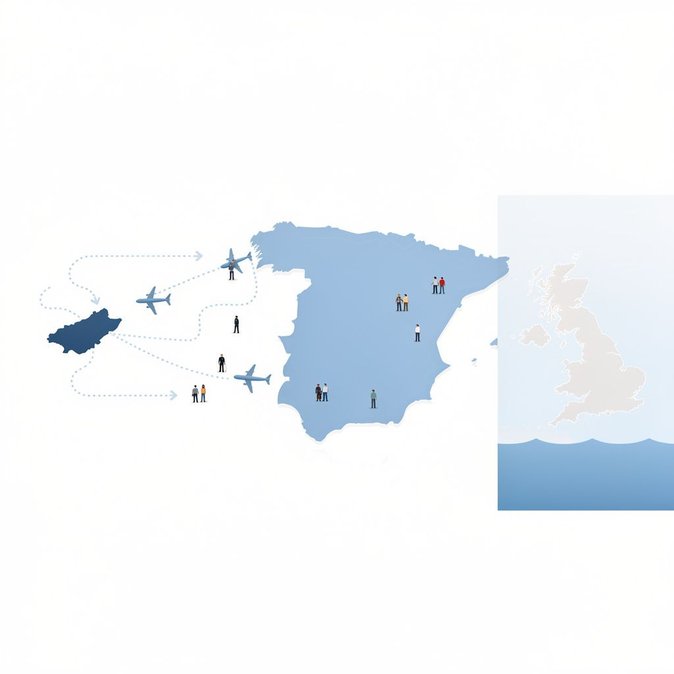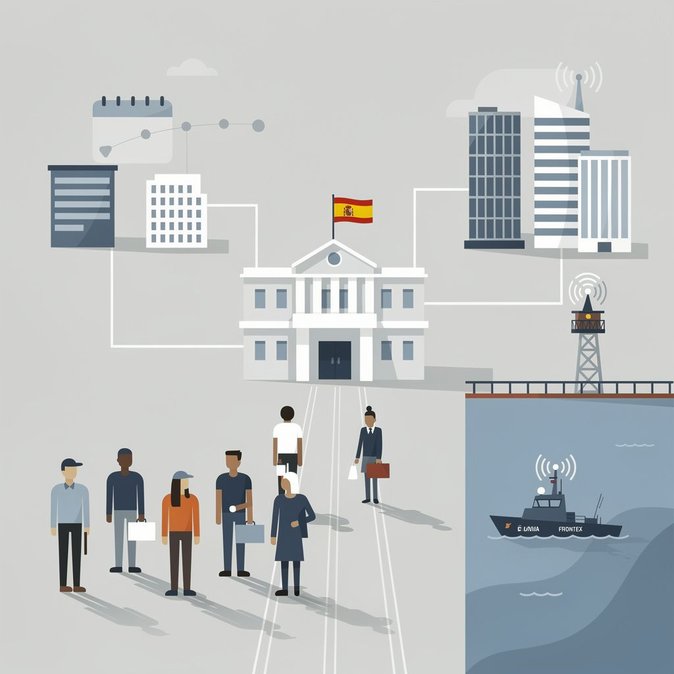
Campaigning in El Hierro eight days before Spain’s general election, Partido Popular leader Alberto Núñez Feijóo promised to create a “mando único” (single command) for immigration policy if he forms the next government. Speaking on the quay at La Restinga — where most rescue boats are landing — Feijóo argued that the current distribution of responsibilities across seven ministries has produced a “continuada irresponsabilidad”. Under the proposal, one senior minister would coordinate border security, reception, asylum processing and integration programmes, echoing France’s interior-ministry model. Feijóo also vowed to expand cooperation with Frontex, tighten penalties against smuggling networks and accelerate returns of unaccompanied minors to their families. Business-mobility managers see risks and opportunities. A centralised structure could speed up work-permit decisions and clarify compliance rules for HR teams. Yet tougher enforcement may raise rejection rates for humanitarian and family-reunification applications, requiring closer support for relocating staff. Multinationals with seasonal operations in agriculture and tourism — sectors that rely on non-EU labour — should monitor post-election coalition talks to gauge whether quotas or employer-sponsorship rules will tighten. Feijóo’s remarks deepen the campaign’s migration focus: the PSOE defends current EU-aligned procedures, while smaller regional parties call for more reception funding but greater local control. Whatever the vote’s outcome, experts predict 2027 immigration regulations will be amended early in the new legislative term, making policy agility a must for corporate mobility teams.
Source: eldiario.es