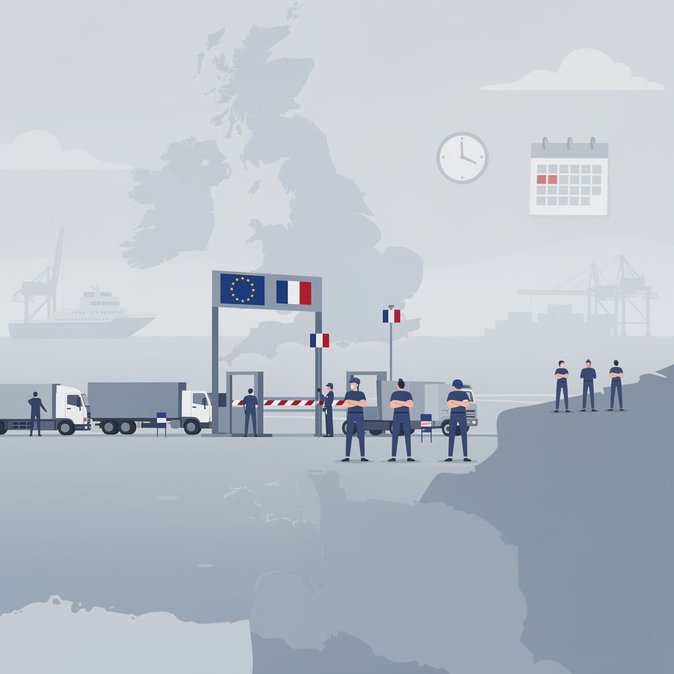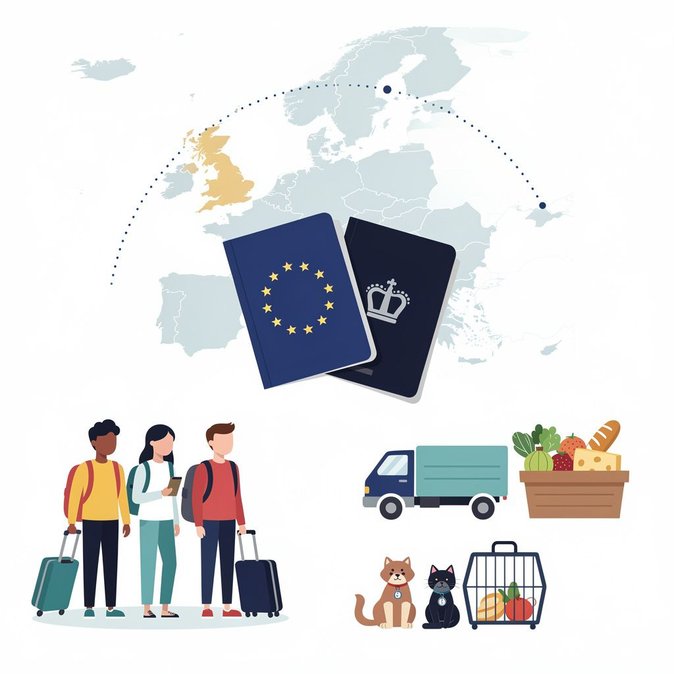
Meeting in Brussels on 20 November, EU and UK leaders announced a package of agreements that will resonate strongly in France, home to Europe’s largest British expatriate population and a magnet for UK student and youth travellers. Highlights include: • A bilateral “youth experience scheme” granting 100,000 young adults (18–30) from each side renewable visas of up to three years to live, work or study across the Channel. Details on tuition-fee parity are still to be finalised, but officials expect the first visas to be issued in late 2027. • A sanitary-and-phytosanitary (SPS) accord that will align UK rules with EU standards for animal and plant products, removing most veterinary checks on British food entering the bloc. French customs estimate this could eliminate up to 80 % of documentary inspections at Calais, Le Havre and Paris-Rungis. • Reinstatement of pet passports for Great-Britain-based travellers once the SPS deal is implemented, cutting costs and paperwork for second-home owners driving to France with animals. The political mood music matters: the summit joint statement hails the agreements as proof of a “renewed agenda” and pledges deeper cooperation on irregular migration. For French businesses, the SPS deal promises faster supply chains for UK speciality foods that stock supermarket and delicatessen shelves, particularly in the run-up to the 2027 Rugby World Cup hosted in France. Universities stand to regain thousands of British fee-payers who disappeared after Brexit, while French students will once again see the UK reopen as an affordable exchange destination. Corporate mobility managers should track the implementing legislation that the UK government will submit next week. Until regulations are enacted, existing work-permit and pet-movement rules remain in force. However, the direction of travel is clear: easier movement of people, animals and goods across the Channel, lowering administrative friction for Franco-British operations.