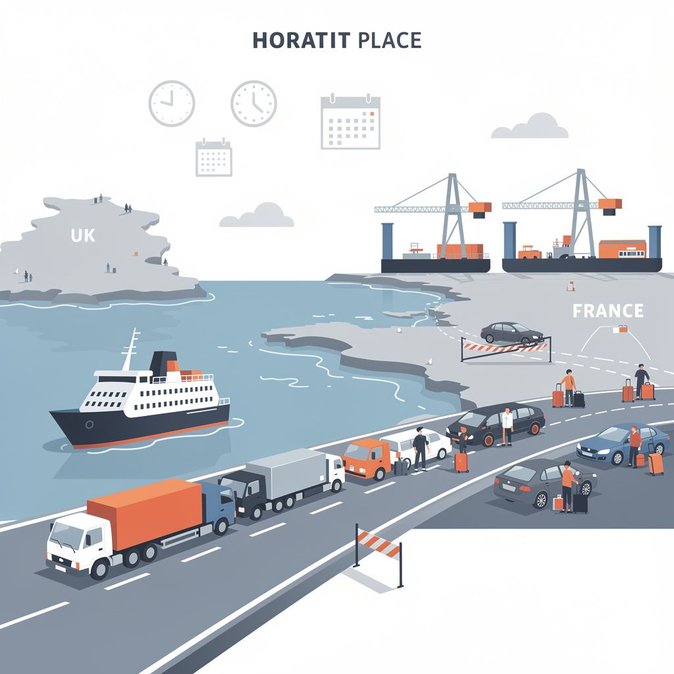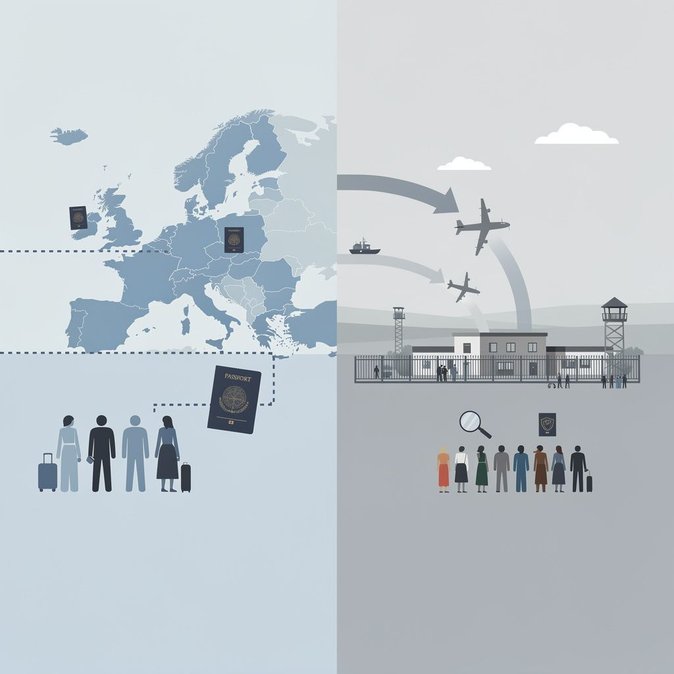
Britain and the European Union will hold their first formal talks next month on the idea of relocating failed asylum seekers to third-country ‘return hubs’, senior officials confirmed on Thursday. The move follows parallel schemes floated by Denmark and several Eastern European states and reflects mounting pressure on the UK government to reduce a backlog of more than 40,000 asylum cases. According to briefing notes seen by The Guardian, the UK will propose pilot centres in Albania and Rwanda, jointly financed by a new EU Solidarity Instrument. In exchange, London would accept a capped quota of recognised refugees direct from EU border states, mirroring burden-sharing models used in Australia’s Pacific Solution. For multinational employers, the policy has two practical implications. First, it could ease shortages in asylum accommodation that have forced the government to requisition hotels in business hubs such as Manchester and Birmingham, disrupting conference and relocation housing markets. Second, closer UK-EU cooperation on returns may improve data-sharing and shorten security-vetting timelines for legitimate work-visa applicants whose identities currently flag because of asylum overlaps. Human-rights NGOs have criticised the plan as outsourcing protection obligations, while business lobby groups cautiously welcome any initiative that speeds up asylum decision-making and restores hotel capacity. A senior Home Office source said the talks will focus on legal feasibility and cost before ministers decide whether to legislate in early 2027. Companies employing staff on intra-company transfer or Skilled Worker visas should monitor outcomes, as reduced hotel use could lower short-term accommodation costs, but potential protests at proposed hub sites may introduce new travel-security considerations.
Source: The Guardian